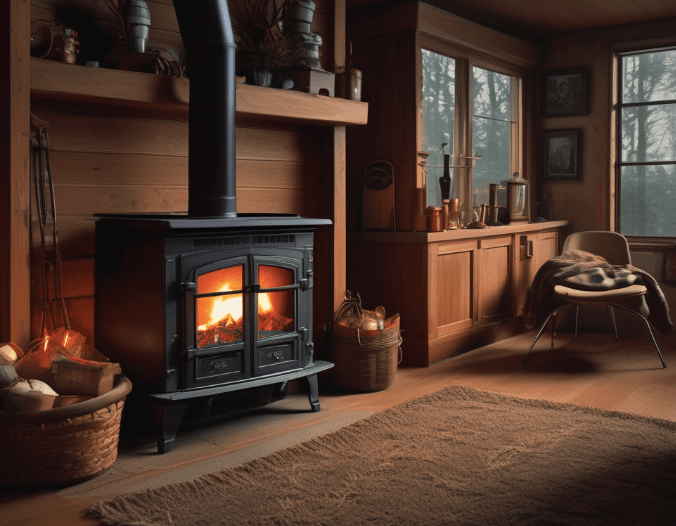
Preparing your home for the winter involves several steps to ensure your home stays warm, safe, and energy-efficient during the cold months. Here’s a comprehensive guide to help you get ready:
1. Inspect and Service Heating Systems
Furnace Maintenance: Have your furnace inspected and serviced by a professional to ensure it’s working efficiently. Replace the filter regularly.
Check Thermostats: Test and calibrate your thermostats for accuracy. Consider upgrading to a programmable or smart thermostat.
Radiators and Vents: Ensure radiators and vents are clean and unblocked for proper heat distribution.
2. Seal Drafts and Insulate
Weatherstripping: Apply weatherstripping around doors and windows to prevent drafts.
Caulking: Seal any gaps or cracks in windows, doors, and exterior walls with caulk.
Insulate Attic and Walls: Add insulation to the attic, walls, and basement to keep the heat inside.
Draft Stoppers: Use draft stoppers or door sweeps at the bottom of doors to block cold air.
3. Windows and Doors
Storm Windows and Doors: Install storm windows and doors to provide an extra layer of insulation.
Window Insulation Film: Apply window insulation film to reduce heat loss.
Curtains and Blinds: Use heavy, thermal curtains or insulated blinds to retain heat.
4. Check and Clean Gutters
Gutter Cleaning: Clean out gutters and downspouts to prevent ice dams, which can cause water damage.
Gutter Guards: Consider installing gutter guards to keep debris out and ensure proper drainage.
5. Prepare Plumbing
Pipe Insulation: Insulate exposed pipes, especially in unheated areas, to prevent freezing.
Drain Outdoor Faucets: Disconnect and drain garden hoses, and shut off the water supply to outdoor faucets.
Sump Pump Check: Ensure your sump pump is working correctly to avoid basement flooding.
6. Roof and Chimney
Roof Inspection: Inspect the roof for damaged or missing shingles and repair any issues to prevent leaks.
Chimney Cleaning: Have your chimney inspected and cleaned by a professional to prevent fire hazards.
Flashing and Seals: Check and repair flashing around chimneys, vents, and skylights.
7. Prepare for Snow and Ice
Snow Removal Equipment: Ensure you have snow shovels, ice melt, and other snow removal tools ready.
Service Snow Blowers: If you have a snow blower, service it to ensure it’s in good working condition.
Ice Melt Supply: Stock up on ice melt or sand to keep walkways and driveways safe.
8. Safety Measures
Smoke and CO Detectors: Test smoke and carbon monoxide detectors and replace batteries if needed.
Fire Extinguishers: Ensure fire extinguishers are easily accessible and in good working condition.
Emergency Kit: Prepare an emergency kit with essentials like flashlights, batteries, blankets, and non-perishable food.
9. Interior Preparations
Reverse Ceiling Fans: Reverse the direction of ceiling fans to push warm air down.
Humidifiers: Use humidifiers to maintain indoor humidity levels and reduce static electricity.
Furniture Placement: Move furniture away from radiators and vents to allow better heat circulation.
10. Energy Efficiency
Energy Audit: Consider a professional energy audit to identify areas where you can improve energy efficiency.
LED Bulbs: Replace old light bulbs with energy-efficient LED bulbs.
Unplug Devices: Unplug electronics and appliances when not in use to save energy.
Implementation Plan
Inspection and Maintenance:
Schedule professional inspections for your furnace, chimney, and roof.
Inspect and clean gutters and downspouts.
Draft and Insulation:
Apply weatherstripping and caulking around windows and doors.
Install storm windows and doors or apply window insulation film.
Add insulation to the attic, walls, and basement.
Plumbing and Water Systems:
Insulate exposed pipes and drain outdoor faucets.
Check the sump pump for proper operation.
Snow and Ice Preparation:
Prepare snow removal tools and stock up on ice melt.
Service snow blowers and ensure they are in working order.
Safety Checks:
Test smoke and CO detectors and replace batteries.
Ensure fire extinguishers are accessible and functional.
Prepare an emergency kit.
Interior Adjustments:
Reverse ceiling fans to push warm air down.
Use humidifiers to maintain indoor humidity.
Rearrange furniture for optimal heat circulation.
Energy Efficiency:
Conduct an energy audit to identify improvements.
Replace old bulbs with LED bulbs.
Unplug unused electronics and appliances.
By following these steps, you can ensure your home is well-prepared for the winter months, keeping it warm, safe, and energy-efficient.
Discover more from Move or Improve
Subscribe to get the latest posts sent to your email.
 Move or Improve
Leave a comment