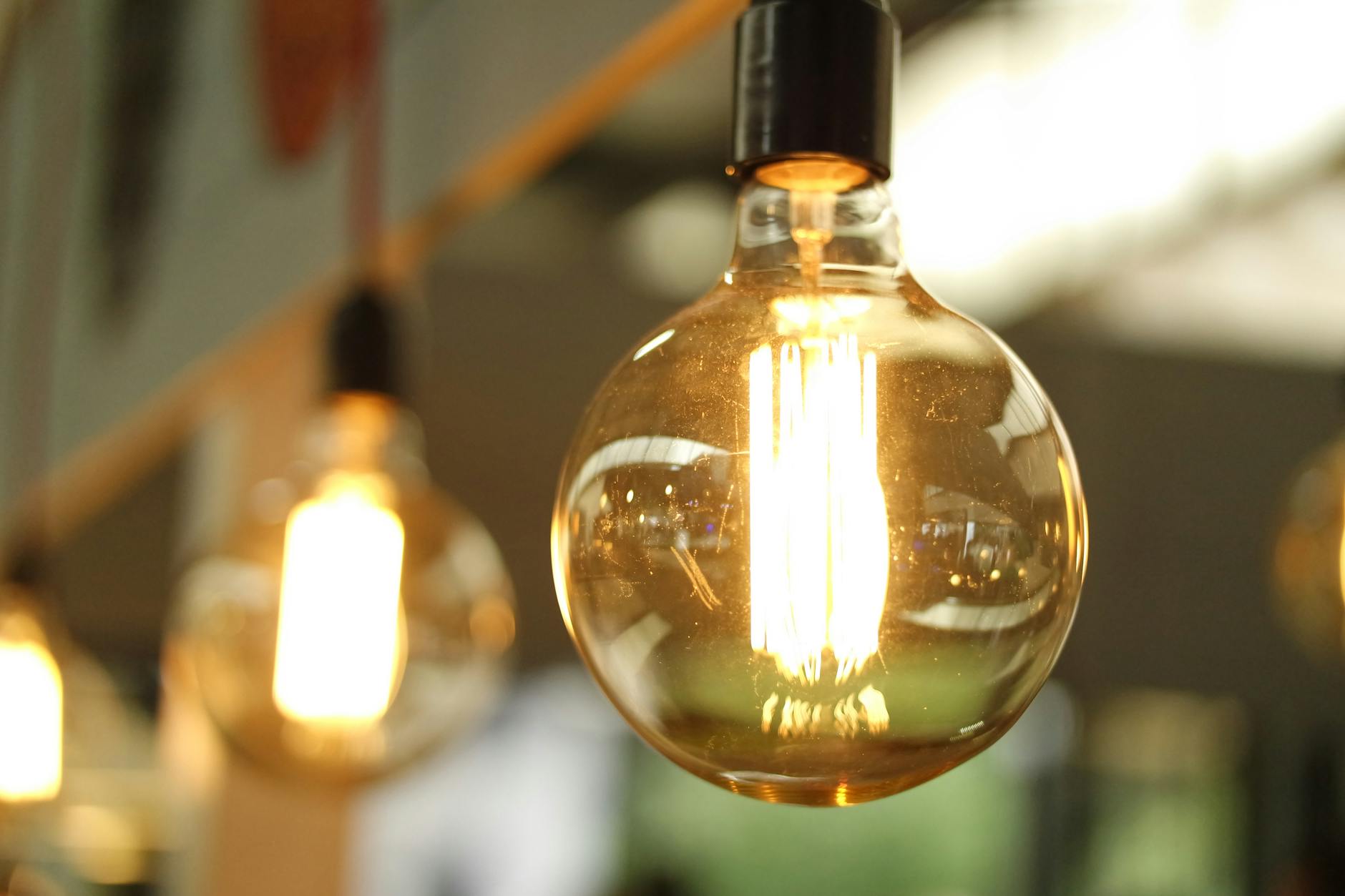
Making energy-efficient home improvements can significantly reduce your utility bills, increase your home’s value, and contribute to a more sustainable environment.
Here are some effective energy-efficient home improvements:
1. Upgrade Insulation
Attic Insulation: Improve or add insulation in the attic to prevent heat loss in winter and keep the home cooler in summer.
Wall Insulation: Insulate exterior walls to improve energy efficiency.
Basement/Crawl Space Insulation: Insulate basements and crawl spaces to reduce energy loss.
2. Install Energy-Efficient Windows and Doors
Double/Triple Pane Windows: Replace single-pane windows with double or triple-pane windows that offer better insulation.
Energy-Star Rated Doors: Install doors with better insulation and energy efficiency ratings.
Weatherstripping: Add weatherstripping to doors and windows to prevent drafts.
3. Upgrade to a Smart Thermostat
Programmable Thermostats: Install a smart thermostat that learns your schedule and adjusts temperatures automatically to save energy.
Remote Control: Use smartphone apps to control your home’s temperature remotely.
4. Switch to LED Lighting
LED Bulbs: Replace incandescent and CFL bulbs with LED bulbs that use less energy and last longer.
Smart Lighting: Use smart lighting systems to control lights remotely and schedule them to turn off when not needed.
5. Install Solar Panels
Solar Power System: Invest in solar panels to generate your own electricity and reduce reliance on the grid.
Incentives: Take advantage of tax credits and incentives available for solar installations.
6. Upgrade HVAC Systems
High-Efficiency HVAC: Replace old HVAC systems with high-efficiency models that use less energy.
Regular Maintenance: Maintain HVAC systems regularly to ensure they run efficiently.
7. Seal Air Leaks
Caulking and Sealing: Seal gaps and cracks around windows, doors, pipes, and electrical outlets to prevent air leaks.
Insulated Ductwork: Ensure that ductwork is properly sealed and insulated to reduce energy loss.
8. Install Energy-Efficient Appliances
Energy Star Appliances: Replace old appliances with Energy Star-rated ones that use less energy and water.
Smart Appliances: Consider smart appliances that can be controlled remotely for better energy management.
9. Upgrade Water Heaters
Tankless Water Heaters: Install tankless water heaters that heat water on demand, reducing energy consumption.
High-Efficiency Water Heaters: Replace old water heaters with high-efficiency models.
10. Improve Roof Insulation and Ventilation
Cool Roofs: Install a cool roof that reflects more sunlight and absorbs less heat.
Proper Ventilation: Ensure proper attic ventilation to reduce cooling costs in summer.
11. Install Energy-Efficient Flooring
Insulated Flooring: Use flooring materials that offer good insulation, such as cork or carpet.
Radiant Floor Heating: Consider installing radiant floor heating for more efficient heating.
12. Use Energy-Efficient Landscaping
Shade Trees: Plant trees strategically to provide shade and reduce cooling costs.
Windbreaks: Use shrubs and trees as windbreaks to reduce heating costs.
13. Upgrade Plumbing Fixtures
Low-Flow Fixtures: Install low-flow shower-heads, faucets, and toilets to reduce water consumption.
Water Heater Insulation: Insulate your water heater and hot water pipes to reduce heat loss.
14. Install a Home Energy Management System
Monitoring: Use a home energy management system to monitor and control energy usage.
Optimisation: Optimise energy usage by identifying high-consumption areas and making adjustments.
15. Add Window Treatments
Energy-Efficient Blinds/Curtains: Use energy-efficient window treatments to reduce heat loss in winter and heat gain in summer.
Reflective Window Film: Apply reflective film to windows to reduce solar heat gain.
Implementation Plan
- Energy Audit: Conduct an energy audit to identify areas where improvements are needed.
- Prioritise Projects: Prioritise improvements based on potential energy savings and budget.
- Budgeting: Set a budget for each project and explore financing options, including rebates and incentives.
- Research: Research products and contractors to ensure you choose energy-efficient and high-quality options.
- Scheduling: Create a timeline for completing each project, starting with the most impactful.
- Professional Help: Hire qualified professionals for installations and upgrades where necessary.
- DIY Projects: Tackle simple DIY projects like caulking, weatherstripping, and installing LED bulbs.
- Monitor and Maintain: Regularly monitor energy usage and maintain systems to ensure continued efficiency.
By implementing these energy-efficient home improvements, you can create a more comfortable living environment, reduce your energy bills, and increase the overall value of your home
Discover more from Move or Improve
Subscribe to get the latest posts sent to your email.
 Move or Improve
Leave a comment