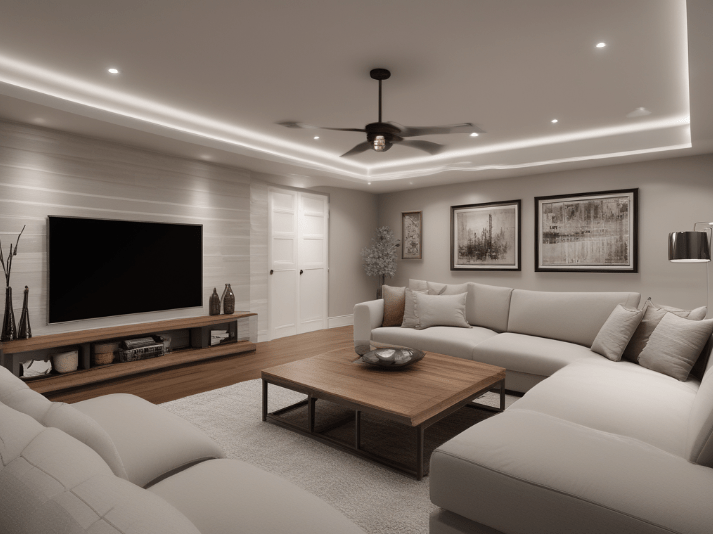
Converting a basement can add valuable living space to your home and potentially increase its value.
Here’s a step-by-step guide to help you through the process:
1. Assess Feasibility
- Structural Suitability: Ensure the basement can be converted without significant structural issues.
- Head Height: The minimum ceiling height for habitable rooms is generally 2.4 meters, but building regulations may accept less.
- Dampness and Water Ingress: Check for any signs of dampness and plan for proper waterproofing.
2. Planning Permission
- Permitted Development Rights: Minor basement conversions might not need planning permission, but larger projects likely will.
- Listed Buildings and Conservation Areas: Additional permissions are needed if your property is listed or in a conservation area.
- Consult Local Authority: Contact your local planning department to understand the specific requirements.
3. Building Regulations
- Compliance: Ensure the conversion complies with UK Building Regulations, covering aspects like structural integrity, fire safety, ventilation, damp proofing, insulation, and drainage.
- Building Control: Submit your plans to Building Control for approval.
4. Design and Layout
- Professional Help: Hire an architect experienced in basement conversions to create an efficient layout.
- Lighting: Basements lack natural light, so plan for adequate artificial lighting and light wells if possible.
- Access and Egress: Ensure there are safe and convenient ways to enter and exit the basement.
5. Structural Work
- Excavation: If increasing head height, excavation may be required. This must be done carefully to avoid undermining the existing structure.
- Underpinning: Strengthen foundations if necessary.
- Waterproofing: Use tanking or cavity drainage systems to prevent dampness.
6. Utilities and Services
- Heating and Ventilation: Extend existing systems or install new ones suitable for the basement environment.
- Plumbing: Plan for bathrooms or kitchens if needed.
- Electrical: Ensure safe and adequate electrical installations.
7. Interior Finishing
- Insulation: Properly insulate walls, floors, and ceilings.
- Flooring: Choose materials suitable for below-ground conditions.
- Walls and Ceilings: Finish with materials that can resist potential dampness.
8. Decor and Furnishing
- Moisture-Resistant Materials: Use moisture-resistant materials for decor and furnishings.
- Space Utilisation: Optimise the layout to make the most of the space available.
9. Professional Help
- Architects: For planning, design, construction supervision (to ensure compliance with Planning & Building Regulations and standards) and project management ti completion.
- Structural Engineers: For assessing and ensuring structural integrity.
- Contractors: For construction and specialised work like waterproofing and underpinning.
10. Costs and Financing
- Budgeting: Estimate the cost considering all aspects from planning to finishing.
- Financing: Look into financing options if needed, such as home improvement loans.
Summary
Converting a basement involves thorough planning, adherence to regulations, and careful execution to ensure the space is functional, safe, and comfortable.
Consulting with professionals throughout the process is crucial to achieve a successful conversion.
Discover more from Move or Improve
Subscribe to get the latest posts sent to your email.
 Move or Improve
Leave a comment