Improving the energy efficiency of your home can lead to significant savings on energy bills while also reducing your carbon footprint.
Here are some eco-friendly home improvements to consider:
1. Insulation
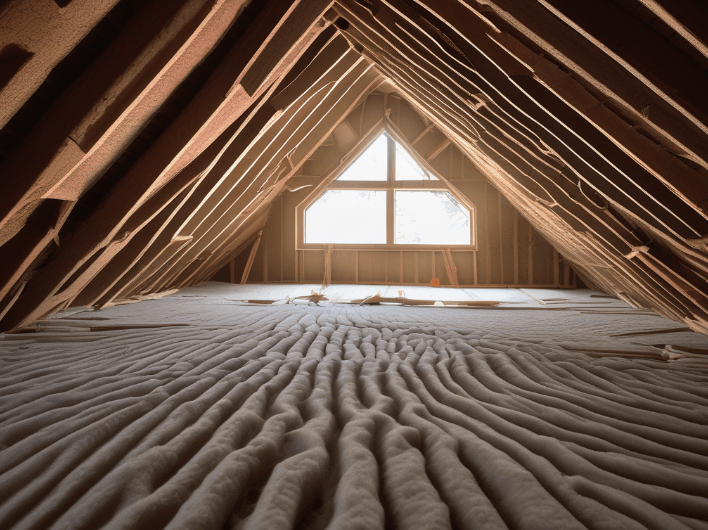
a. Loft Insulation
Benefits: Proper loft insulation can reduce heat loss by up to 25%, keeping your home warmer in winter and cooler in summer.
Costs: Installation costs are relatively low, and the savings on energy bills can cover the expense within a few years.
b. Wall Insulation
Cavity Wall Insulation: Filling the gap between the inner and outer walls can reduce heat loss by up to 35%.
Solid Wall Insulation: This is more expensive but can save a significant amount of energy, especially in older homes.
Sources:
- Energy Saving Trust – Insulation
- Which? – Home Insulation
2. Energy-Efficient Windows and Doors
a. Double or Triple Glazing
Benefits: Double or triple glazing reduces heat loss, minimises draughts, and can lower energy bills by up to 20%.
Costs: While initial costs are high, the long-term savings and increased comfort are substantial.
b. Draught Proofing
Benefits: Sealing gaps around windows and doors can prevent heat loss and save money on heating.
DIY: Draught proofing is a simple and cost-effective DIY project.
Sources:
- Energy Saving Trust – Windows
- The Guardian – Draught Proofing Tips
3. Heating Systems
a. Smart Thermostats
Benefits: Smart thermostats allow you to control your heating remotely, learn your habits, and adjust temperatures for optimal energy use.
Savings: Can reduce heating bills by up to 10-15%.
b. Energy-Efficient Boilers
Upgrade: Replace old boilers with modern, energy-efficient condensing boilers to save up to 30% on heating bills.
Sources:
- Which? – Best Smart Thermostats
- Energy Saving Trust – Heating Systems
4. Solar Panels and Renewable Energy
a. Solar Panels
Benefits: Generate your own electricity and reduce dependence on the grid. Excess energy can often be sold back to the grid.
Incentives: Government incentives and grants can help offset the initial installation costs.
b. Heat Pumps
Air Source Heat Pumps: Extract heat from the air and can be used for heating and hot water.
Ground Source Heat Pumps: Use the earth’s natural heat and are more efficient but have higher installation costs.
Sources:
- Energy Saving Trust – Solar Panels
- The Renewable Energy Hub – Heat Pumps
5. Water Efficiency
a. Low-Flow Fixtures
Benefits: Install low-flow shower-heads and taps to reduce water usage without sacrificing performance.
Costs: These fixtures are inexpensive and easy to install.
b. Rainwater Harvesting
System: Collect rainwater for use in gardening, flushing toilets, and even washing clothes.
Savings: Reduces water bills and conserves valuable water resources.
Sources:
- Waterwise – Water Efficiency in the Home
- Sustainable Energy Authority – Rainwater Harvesting
6. Lighting
a. LED Bulbs
Benefits: LED bulbs use up to 90% less energy than incandescent bulbs and last significantly longer.
Savings: Switching to LED lighting can save a considerable amount on electricity bills.
b. Smart Lighting
Control: Smart lighting systems allow you to control lights remotely, schedule them, and reduce unnecessary usage.
Sources:
- Energy Saving Trust – Lighting
- Which? – Best Smart Light Bulbs
7. Appliances and Electronics
a. Energy-Efficient Appliances
Labels: Look for appliances with high energy ratings (A++ or A+++).
Savings: Energy-efficient appliances can reduce electricity consumption and lower energy bills.
b. Standby Savers
Usage: Use standby savers to cut power to devices when not in use, preventing “phantom” energy usage.
Sources:
By implementing these eco-friendly improvements, you can make your home more energy-efficient, reduce your environmental impact, and save money on your energy bills.
Discover more from Move or Improve
Subscribe to get the latest posts sent to your email.
 Move or Improve
Leave a comment