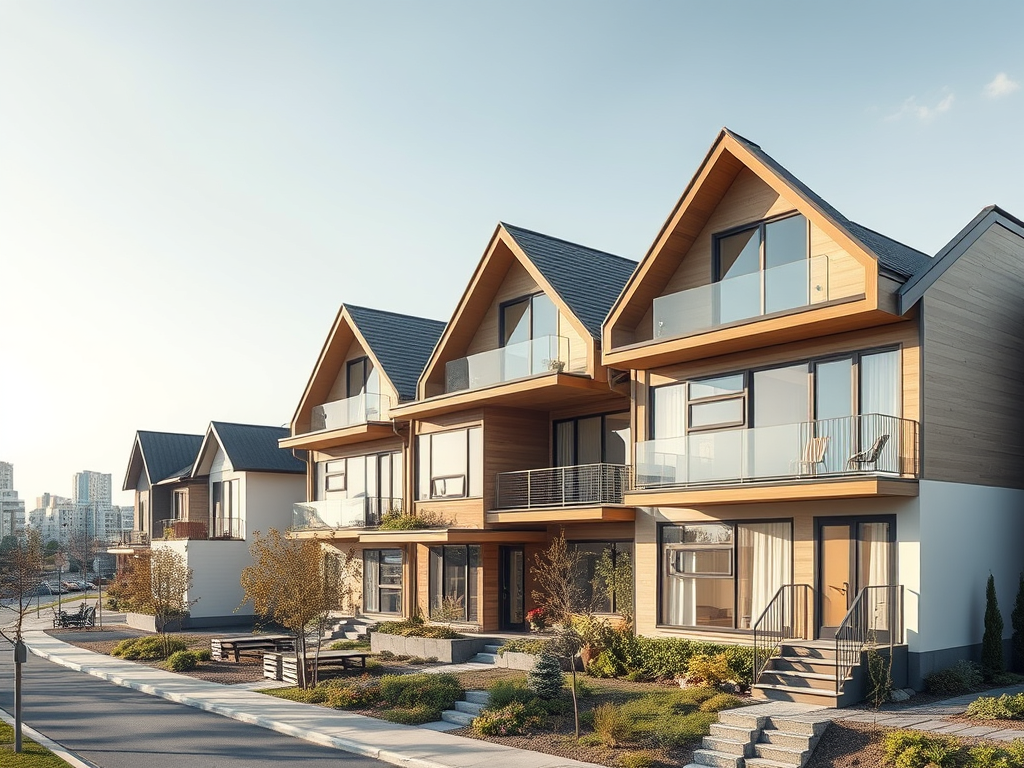
As we approach 2025, many of us are faced with a crucial question: should I renovate my current home or move to a new one? With the housing market evolving rapidly and new technologies reshaping the way we design and live in our homes, this decision isn’t as straightforward as it used to be. Whether you’re a homeowner looking to make a long-term investment or a first-time buyer, understanding the housing trends and technological advances of the next decade is essential. In this blog, we’ll explore predictions for the housing market, renovation trends, and the role technology will play in the homes of tomorrow.
Predictions for the Housing Market and Renovation Trends
The UK housing market has been in a state of flux in recent years, and experts predict that the next few years will continue to offer uncertainty. In 2025 and beyond, several factors will shape the housing landscape:
1. Demand for Sustainable Housing
As concerns about climate change intensify, there is a growing demand for homes that are not just energy-efficient but also sustainable. From renewable energy sources like solar panels to materials that have a lower environmental impact, buyers and renovators will increasingly seek homes that align with green values. This demand could affect the choice between renovating an existing property to become more sustainable versus moving into a newly built, eco-friendly home.
2. Hybrid Working Changing Location Preferences
The rise of hybrid and remote working means that many people are reconsidering the location of their homes. Suburban and rural areas are likely to see a surge in demand as people prioritize space, nature, and quiet, while city living may become less appealing for some. Renovating a home to create a dedicated home office or increase living space for family members may be a more attractive option for those looking to avoid the costs of relocation.
3. Rising Construction Costs
Construction costs in the UK have risen dramatically in recent years, and this trend is expected to continue. This factor could make moving to a new home an expensive undertaking, while renovation may offer more value, especially if you already own a property in a desirable location.
4. Housing Market Volatility
Interest rates and housing prices are expected to remain volatile as the UK faces economic uncertainty. In a market that may be unpredictable, staying put and investing in your current home through renovation may feel like a safer bet than moving. Renovations can be tailored to meet your needs and could increase the value of your property, offering a good return on investment.
How Technology Is Changing Home Design
Technological advancements are not only influencing the way we live but also how our homes are designed, constructed, and renovated. As we move toward 2025 and beyond, technology will continue to revolutionize the housing sector.
1. Smart Homes and Automation
The integration of smart technology into homes is no longer just a luxury; it’s becoming a necessity. Smart home devices, such as voice-activated assistants, automated lighting, and security systems, will become more advanced, affordable, and easy to integrate into new and renovated homes. This technology can also enhance energy efficiency by optimising heating, cooling, and lighting systems based on usage patterns. For homeowners contemplating renovation, upgrading to a smart home could make their living space more functional and future-proof.
2. Virtual and Augmented Reality (VR/AR)
When it comes to home design and renovations, VR and AR technologies are game changers. Homeowners can now virtually walk through a space before any work is done, allowing for better planning and fewer surprises. This can be particularly helpful for those renovating older homes where visualising changes can be challenging. In addition, augmented reality tools will allow homeowners to see how new designs or products will look in their homes before committing to purchase.
3. 3D Printing and Prefabrication
Innovations in 3D printing are making it possible to print entire homes or parts of homes. This technology can reduce construction time and costs and also offer more sustainable solutions. 3D-printed homes are likely to become more common in the coming years, both for new builds and as part of renovation projects. This could drastically reduce the time and effort required for certain types of home upgrades, making renovations more affordable and accessible.
4. Sustainable Materials and Green Technologies
From hempcrete to solar roof tiles, the range of sustainable materials available for home renovation is expanding. These materials not only help reduce the carbon footprint of a building but can also improve insulation, energy efficiency, and indoor air quality. As building regulations become stricter, incorporating these materials into renovations will be an essential part of future-proofing your home.
Tips for Future-Proofing Your Home
With all these changes on the horizon, future-proofing your home should be a top priority, whether you’re renovating or moving. Here are some key tips to ensure your home remains a comfortable and valuable asset for years to come:
1. Embrace Energy Efficiency
Install insulation, double-glazed windows, and energy-efficient heating systems. Solar panels or heat pumps can further reduce your home’s environmental impact and provide long-term savings. Future homebuyers will likely prioritize energy-efficient homes, so these investments could pay off down the line.
2. Create Flexible Spaces
As hybrid working becomes the norm, ensure that your home has adaptable spaces. Adding a home office, creating multifunctional rooms, or investing in furniture that can be easily reconfigured will give you the flexibility to meet changing needs.
3. Upgrade with Smart Technology
Adding smart home features can increase the value of your home and make day-to-day life more convenient. Start with simple upgrades like smart thermostats or security cameras, and expand as you become more comfortable with automation.
4. Prioritize Sustainability
Choose materials and systems that support sustainability, from water-saving fixtures to electric vehicle (EV) charging points. The trend toward eco-friendly homes is not just a passing phase but a long-term shift that will only grow stronger.
5. Plan for Long-Term Maintenance
Think ahead about potential maintenance needs. Install high-quality, low-maintenance materials like composite decking or metal roofs to reduce long-term upkeep. This is especially important if you plan to stay in your home for decades.
What Architects Foresee for Housing in the Next Decade
Architects and urban planners are already thinking about how homes will evolve in the next decade. Here’s what they predict:
1. Modular and Flexible Housing
Expect to see an increase in modular and prefabricated homes. These homes can be easily customised and adapted to meet changing family needs or shifting environmental factors. The flexibility in design and construction could offer both renovators and buyers a more adaptable and cost-effective option.
2. Vertical Living and Urban Density
In cities, space is becoming a premium. Architects predict that high-rise living will evolve to incorporate more green space, communal areas, and smart technologies. While suburban homes may see more demand, urban areas will innovate with compact, sustainable living solutions that integrate workspaces, recreation areas, and residential spaces seamlessly.
3. Sustainability at the Forefront
In the coming decade, all new construction and major renovations will likely need to meet higher sustainability standards. Architects are already integrating green roofs, water recycling systems, and energy-efficient designs into their plans, with sustainability becoming a core focus for all new housing projects.
4. Biophilic Design
As we move further into the future, homes will increasingly incorporate biophilic design principles. This trend focuses on connecting people with nature by incorporating natural light, plants, and natural materials into the home. This is expected to improve the well- being of occupants while reducing the environmental impact of buildings.
Conclusion
Whether you choose to renovate your current home or move to a new one, the future of housing is full of exciting possibilities. The key will be to stay ahead of the trends—embracing smart technology, sustainability, and flexible designs that will not only make your home more enjoyable now but also future-proof it for the years to come. With architects, designers, and tech innovators working together to reshape how we live, the homes of tomorrow will be more sustainable, efficient, and connected than ever before.
Discover more from Move or Improve
Subscribe to get the latest posts sent to your email.
 Move or Improve
Leave a comment