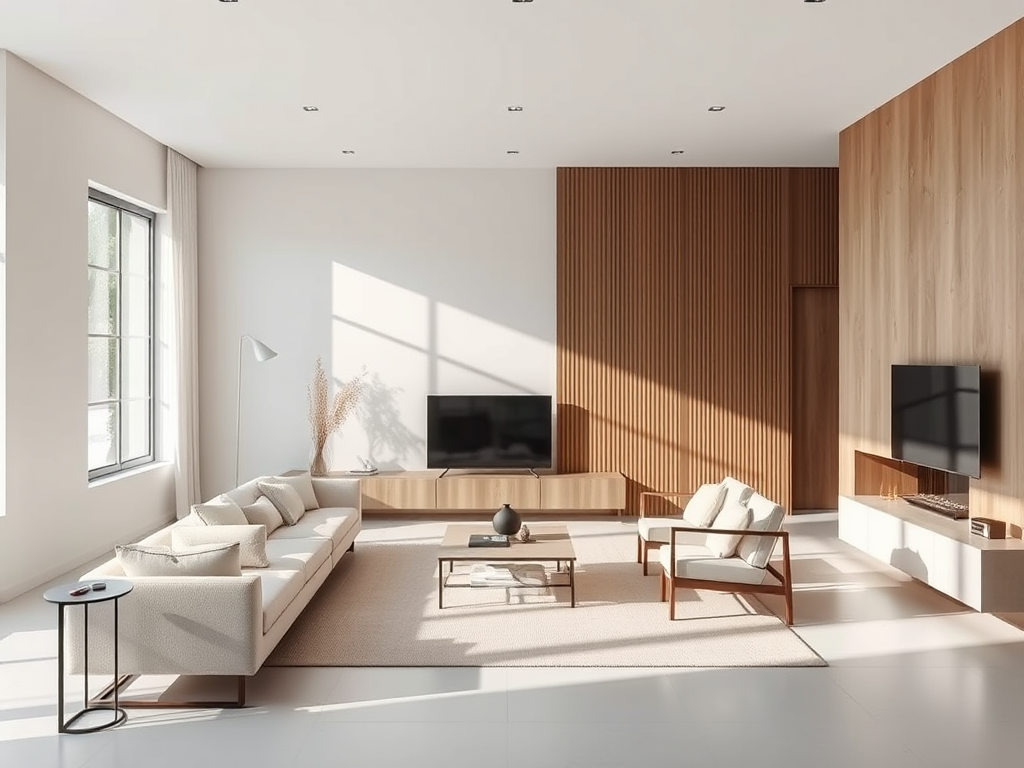
Minimalism is a design and lifestyle philosophy that emphasises simplicity, functionality, and the removal of unnecessary items to create a clean and serene living space.
Here’s a comprehensive guide to achieving house minimalism:
1. Understand the Principles of Minimalism
Simplicity: Focus on clean lines, uncluttered spaces, and a restrained color palette.
Functionality: Each item in your home should serve a purpose or bring joy.
Quality Over Quantity: Invest in fewer, higher-quality items rather than an abundance of less durable goods.
2. Declutter Your Home
Start Small: Begin with one room or area to avoid feeling overwhelmed.
Sort Items: Divide belongings into categories: keep, donate, sell, and discard.
Be Ruthless: Only keep items that are functional, beautiful, or hold significant sentimental value.
3. Adopt a Minimalist Aesthetic
Colour Palette: Stick to neutral colours like white, beige, grey, and black. Use accent colours sparingly.
Furniture: Choose simple, functional furniture with clean lines. Avoid overly ornate pieces.
Decor: Limit decorations to a few carefully chosen items that add value to the space.
4. Organise Efficiently
Storage Solutions: Use built-in storage, minimalist shelves, and multi-functional furniture to keep items out of sight.
Reduce Surface Clutter: Keep countertops, tables, and other surfaces clear except for essential items.
Digital Declutter: Organise your digital life by decluttering your computer, phone, and other devices.
5. Maintain Minimalism
Regular Reviews: Periodically review and declutter your belongings to maintain a minimalist space.
Mindful Consumption: Before acquiring new items, consider their necessity and impact on your minimalist lifestyle.
Adopt Minimalist Habits: Incorporate minimalist habits into your daily routine, such as cleaning as you go and having designated places for items.
6. Minimalist Lifestyle Tips
Capsule Wardrobe: Streamline your wardrobe to include versatile, high-quality pieces that you love to wear.
Minimalist Diet: Simplify your diet with wholesome, easy-to-prepare meals and a decluttered kitchen.
Mindfulness Practices: Incorporate mindfulness and simplicity into your daily routine to support a minimalist mindset.
7. Room-by-Room Guide
Living Room
Furniture: Choose essential pieces like a sofa, coffee table, and perhaps a single chair.
Decor: Use minimal wall art and keep decorative items to a minimum.
Lighting: Opt for simple, functional lighting like floor lamps and ceiling lights.
Kitchen
Counters: Keep countertops clear, storing small appliances out of sight.
Cabinets: Use cabinet organisers to keep items neatly arranged.
Essentials Only: Only keep utensils, cookware, and dishes that you regularly use.
Bedroom
Bed: A simple, comfortable bed with minimal bedding.
Storage: Use under-bed storage or built-in wardrobes to keep clothes and personal items out of sight.
Decor: Limit decor to a few personal items like photos or a piece of artwork.
Bathroom
Surfaces: Keep surfaces clear by using storage solutions like medicine cabinets and under-sink storage.
Toiletries: Only keep necessary toiletries and store extras out of sight.
Linens: Use a minimalist approach to towels and bath mats, sticking to a neutral color palette.
8. Inspirational Resources
Books:
“The Life-Changing Magic of Tidying Up” by Marie Kondo
“Essentialism: The Disciplined Pursuit of Less” by Greg McKeown
Blogs:
The Minimalists (www.theminimalists.com)
Be More with Less (www.bemorewithless.com)
Documentaries:
“Minimalism: A Documentary About the Important Things” on Netflix
By following this guide, you can create a minimalist home that not only looks aesthetically pleasing but also supports a simpler, more intentional way of living.
Discover more from Move or Improve
Subscribe to get the latest posts sent to your email.
 Move or Improve
Leave a comment