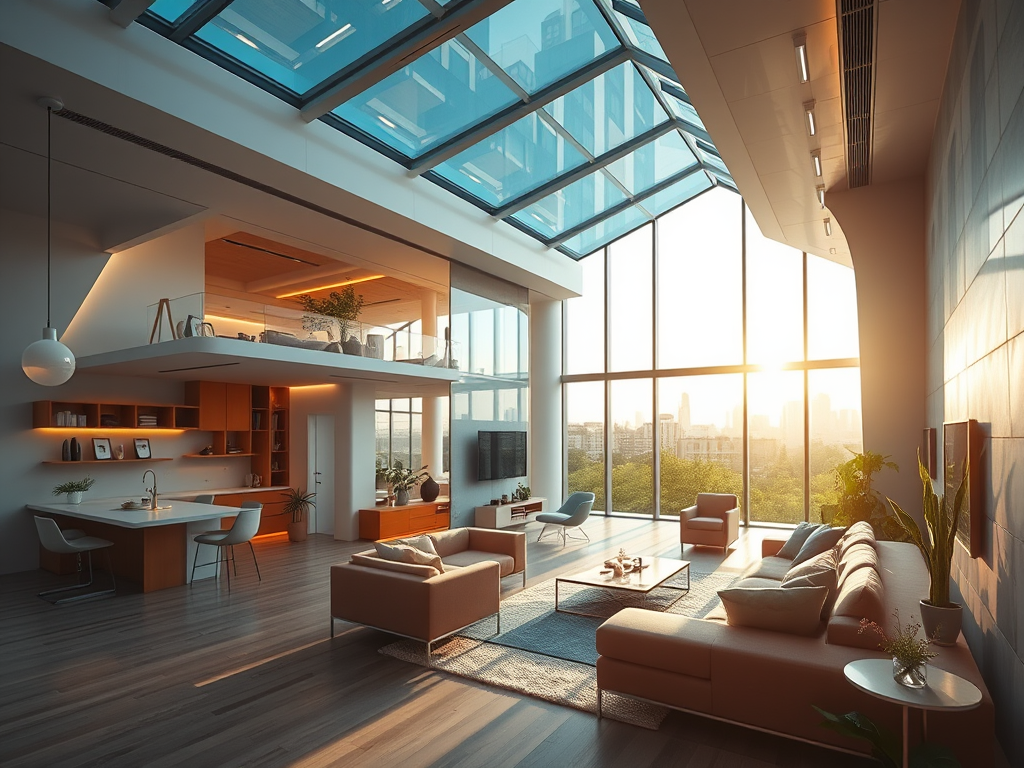
As we look towards 2025 and beyond, the housing market is in the midst of profound change. Factors like economic shifts, environmental concerns, and evolving technology are shaping the way we think about homes, whether we’re considering buying a new property or renovating our existing one. For homeowners and potential buyers alike, a key question arises: Is renovating your current home the best option, or should you consider moving to a new property? Let’s explore predictions for the housing market, renovation trends, how technology is influencing home design, and tips for future-proofing your home.
Predictions for the Housing Market and Renovation Trends
In 2025, the UK housing market is likely to face challenges and opportunities as we emerge from the ripple effects of the COVID-19 pandemic and deal with the implications of climate change. Rising property prices and increasing demand for homes in rural and suburban areas, due to remote working, are expected to continue. While London remains a hot spot for real estate, cities like Manchester, Birmingham, and Edinburgh are seeing significant growth, attracting buyers seeking more space without the price tag of the capital.
Renovating, rather than moving, may be a more attractive choice for many. Homeowners are increasingly drawn to renovations as a way to add value to their properties without the hassle of uprooting their lives. In fact, recent data suggests that renovation spending is at an all-time high, with more people choosing to remodel their homes to meet changing lifestyle needs. Popular renovation projects include:
- Energy-efficient upgrades like solar panels, triple glazing, and insulation
- Home offices to support the continued rise of remote work
- Open-plan living spaces to meet the demand for multi-functional rooms
- Sustainable and eco-friendly renovations, such as rainwater harvesting systems or green roofs
However, for those considering buying, moving to a new home may offer an easier solution if your current property no longer suits your needs or location preferences.
How Technology is Changing Home Design
One of the most exciting developments in the housing sector is the way technology is transforming home design and renovation. From smart home devices to sustainable building materials, technology is reshaping how we live and interact with our homes.
Smart homes are becoming the norm rather than the exception. Home automation systems, such as voice-activated lighting, heating, and security, are making homes more convenient, energy-efficient, and secure. In 2025, we can expect homes to integrate even more advanced features, such as AI-driven systems that learn your preferences and adapt to your lifestyle. Imagine a house that can automatically adjust its temperature based on the weather outside or that helps monitor your health and well-being by tracking air quality or sleep patterns.
Sustainable building materials and 3D printing are also on the rise. In the coming decade, architects and renovators will have access to innovative materials like recycled concrete and timber, as well as new construction methods like 3D-printed homes that minimise waste and reduce costs. These technologies will not only lower environmental impact but could also make building and renovating more accessible and affordable for homeowners.
Tips for Future-Proofing Your Home
As we move into the next decade, future-proofing your home becomes a priority. With climate change, energy prices, and lifestyle changes all impacting our homes, ensuring your property is adaptable and resilient is more important than ever.
Invest in Energy Efficiency: As energy prices rise and sustainability becomes even more critical, energy-efficient homes will be in demand. Consider installing double or triple-glazed windows, improving insulation, and upgrading to energy-efficient appliances. Solar panels or ground-source heat pumps can significantly reduce your carbon footprint while cutting down on utility bills.
Create Flexible Spaces: The rise of remote work and multi-generational living means flexible spaces are a must. Opt for layouts that allow for easy adaptation—like movable walls, multipurpose rooms, or home offices that can double as guest rooms.
Prepare for Future Technologies: Make sure your home is ready for the next wave of technology. This might include installing the infrastructure for smart home devices or ensuring your electrical systems can support electric vehicles (EVs) with charging points.
Focus on Resilience: Future-proofing your home also means making it resilient to changing climate conditions. If you live in an area prone to flooding or extreme weather, consider flood-proofing or strengthening your home’s structure to withstand high winds or heavy rain.
Sustainable Landscaping: Landscape with the environment in mind. Choose drought-resistant plants and implement water-saving systems like rainwater collection or drip irrigation.
What Architects Foresee for Housing in the Next Decade
Looking ahead, architects are increasingly focusing on designing homes that are both sustainable and adaptable to the ever-changing demands of modern life. Key trends predicted for the next decade include:
Modular and Prefabricated Homes: Prefabricated homes, where parts of the home are built off-site and then assembled on location, are set to become more common. These homes offer flexibility in design, faster construction times, and can be more affordable and energy-efficient.
Biophilic Design: Architects will continue to embrace biophilic design, which incorporates natural elements like plants, natural light, and outdoor spaces into homes. This trend not only improves aesthetics but has been shown to boost mental and physical well-being.
Net-Zero Homes: A net-zero home produces as much energy as it consumes, often through a combination of renewable energy sources like solar panels and wind turbines. As sustainability becomes a priority, expect net-zero homes to become more accessible and desirable.
Compact and Efficient Living: With the rising cost of living and the push for sustainability, architects are designing homes that are more compact yet functional. Space-saving designs and the rise of tiny homes will continue, especially in urban areas where space is at a premium.
Is Renovating or Moving Better for 2025 and Beyond?
The answer depends on your circumstances, but overall, renovating is becoming an increasingly attractive option for many homeowners. Renovations can help you stay in a location you love while upgrading your home to meet modern needs, such as energy efficiency and flexible spaces. However, if your current home is no longer suited to your lifestyle or location preferences, moving to a new property might be the right choice.
Ultimately, the decision comes down to balancing personal goals, budget, and long-term vision. As technology evolves and the housing market adjusts, the future of housing will be shaped by both innovation and individual choice. Whether you decide to renovate or move, one thing is clear: the homes of tomorrow will be more sustainable, adaptable, and connected than ever before.
Discover more from Move or Improve
Subscribe to get the latest posts sent to your email.
 Move or Improve
Leave a comment