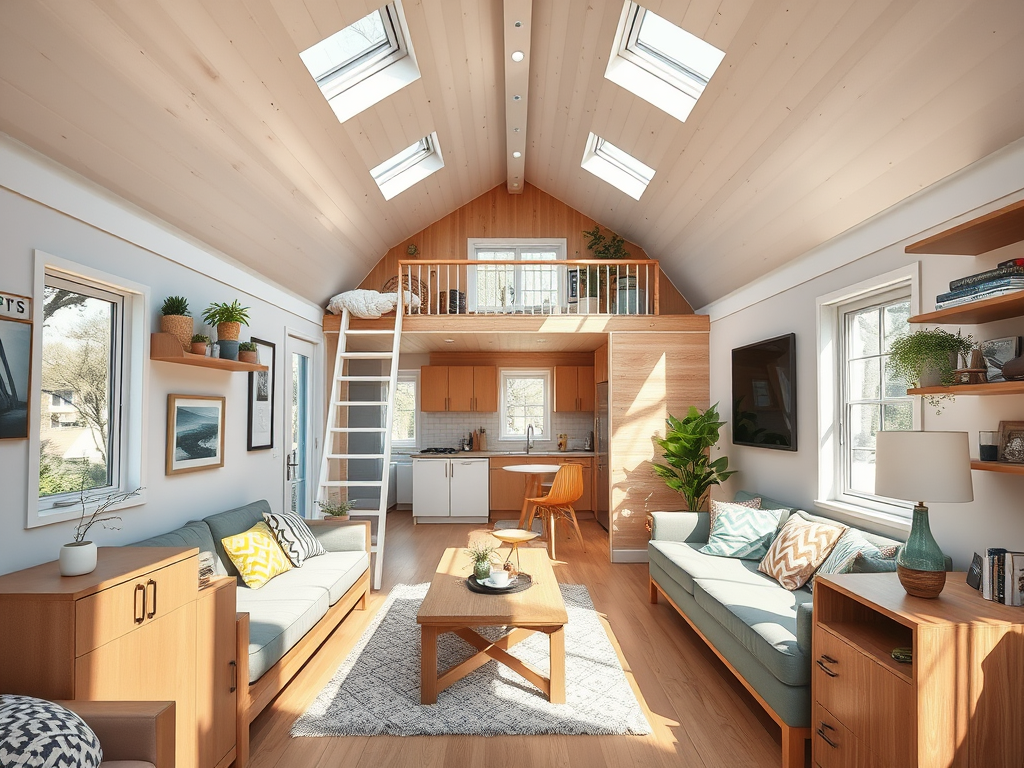
By Ruth Tiles, Architect & Home Improvement Specialist
Move or Improve: Insights from an Experienced Architect
We often think of daily exercise as something that happens outside the home, at the gym, during a jog, or in a fitness class. But what if your home itself could encourage more movement and support your health goals, simply through smarter design?
As an architect focused on enhancing everyday living, I believe that our homes can (and should) support active lifestyles. Whether you’re planning a renovation or thinking about relocating, the way your space is structured can either invite natural movement, or silently discourage it.
In this post, we’ll explore subtle but powerful architectural tweaks that can help you move more without even thinking about it. From layout improvements to integrated wellness features, these ideas can help you build a home that works with your body, not against it.
1. Rethink Layouts for Movement Flow
Encourage Walkability Indoors
A walkable home isn’t just about square footage, it’s about logical, connected spaces that flow naturally. Think open-plan living that encourages movement between zones rather than isolated, disjointed rooms.
- Centralised stairs make it easier to move between floors, rather than avoiding the effort.
- Wide, open corridors remove barriers to movement and allow for easy circulation, ideal for families or multi-generational households.
Break Up Sedentary Zones
Long stretches of static space, like a lounge dominated by a sofa and screen, discourage movement. Instead:
- Introduce flexible furniture arrangements to allow for standing, stretching, or even light activity.
- Use open shelving or half-height walls to visually separate areas, promoting a mental and physical shift as you move between zones.
2. Design With Stairs in Mind
Stairs aren’t just a necessity, they can be a built-in fitness tool if designed correctly.
Make Stairs Visible and Inviting
Instead of tucking them away, let stairs become an architectural feature:
- Use natural light, glass balustrades, or wood detailing to make stairs visually appealing and pleasant to use.
- Opt for open risers or floating steps in modern homes for a lighter, less daunting appearance.
Split-Level Living
Even small height differences between zones (think sunken lounges or raised platforms) can introduce more movement through your daily routine and can make spaces feel dynamic and interesting.
3. Create Multi-Use Activity Spaces
You don’t need a full home gym to stay active. Design versatile areas that support spontaneous movement throughout the day.
- A corner of the living room can be fitted with a fold-away desk that doubles as a stretching or yoga zone.
- Spare bedrooms can serve as hybrid spaces, a guest room and a wellness nook with resistance bands, mats, or a compact bike.
Even small spaces, when designed intentionally, can support regular movement.
4. Smart Storage That Encourages Action
It sounds simple, but what you see is what you use. Designing storage with visibility and accessibility in mind can subtly nudge you into action.
- Store workout gear in easy-to-reach spots, built-in cupboards near entryways or wardrobes make grabbing trainers or yoga mats effortless.
- Display equipment like dumbbells or foam rollers in aesthetically pleasing baskets or stands, normalising movement as part of your environment.
5. Outdoor Access as a Daily Incentive
If your home has a garden, balcony, or patio, you’ve got a natural movement motivator, if the design encourages you to use it.
- Install French doors or bifold glass walls to make outdoor access seamless and inviting.
- Level patios and garden steps can become natural extensions of your daily activity, encouraging everything from dog walks to outdoor stretching.
Final Thoughts: Move or Improve?
If your home currently works against your health goals, with a disconnected layout, unused spaces, or underwhelming outdoor access, it may be time to improve through smart architectural tweaks. But if the fundamental limitations can’t be fixed, it might make more sense to move to a property with more movement-friendly potential.
As an experienced architect, I can help you analyse both options, designing your current home for better wellness, or guiding you toward a new space that supports your ideal lifestyle from day one.
Want to design a home that keeps you moving?
Get in touch for personalised design advice and layout strategies that help you stay active, energised and inspired, every day.
Discover more from Move or Improve
Subscribe to get the latest posts sent to your email.
 Move or Improve
Leave a comment