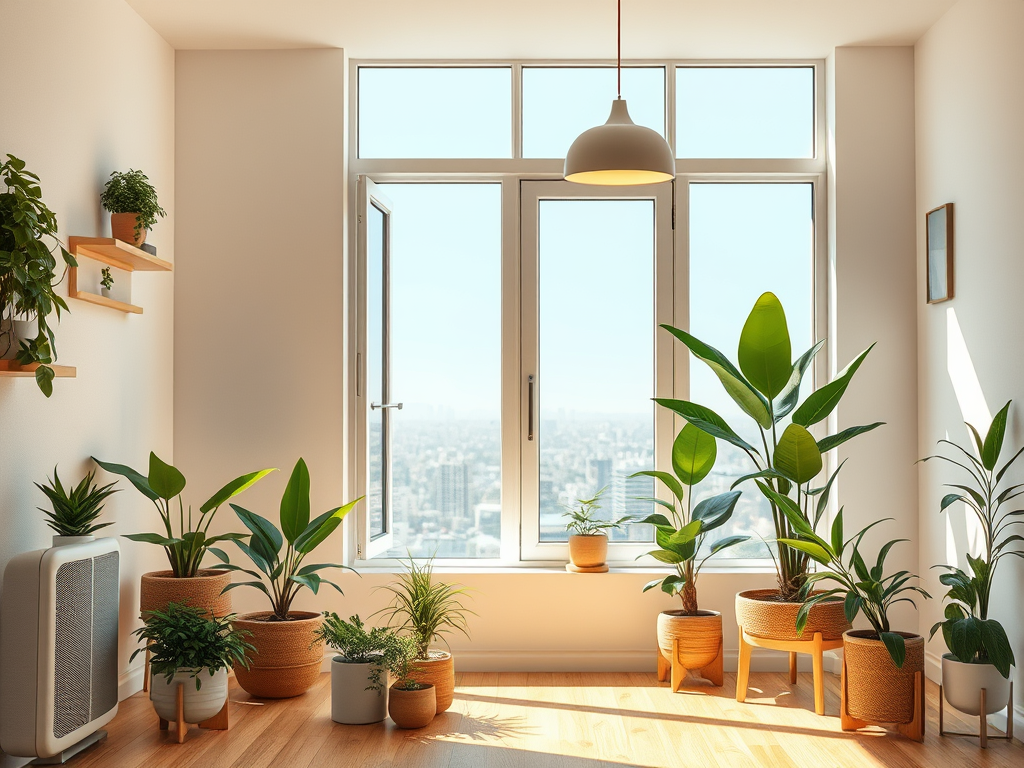
Indoor air quality significantly impacts our health, influencing respiratory functions, sleep quality, and overall well-being. While advanced air purification systems are available, there are numerous natural and cost-effective strategies to enhance the air we breathe at home.
1. Increase Ventilation
Allowing fresh outdoor air to circulate can dilute indoor pollutants:
Open Windows and Doors: Regularly ventilate your home by opening windows and doors to let in fresh air, especially when cooking or using strong-smelling products.
Use Exhaust Fans: Install exhaust fans in kitchens and bathrooms to remove contaminants directly from these areas.
2. Maintain Cleanliness
Regular cleaning reduces dust, pet dander, and other allergens:
Vacuum Frequently: Use a vacuum cleaner equipped with a HEPA filter to effectively capture fine particles.
Dust Surfaces: Wipe down surfaces with a damp cloth to prevent dust from becoming airborne.
3. Control Humidity Levels
Proper humidity discourages mold growth and dust mites:
Use Dehumidifiers: Keep indoor humidity between 30-50% to inhibit mold and dust mites.
Fix Leaks: Repair any water leaks promptly to prevent dampness and mold proliferation.
4. Incorporate Houseplants
Certain plants can naturally filter indoor air pollutants:
Spider Plant: Effective in removing formaldehyde and xylene.
Peace Lily: Known to eliminate ammonia, benzene, and formaldehyde.
Aloe Vera: Helps in clearing formaldehyde and benzene.
Note: While houseplants can aid in air purification, they should complement other air quality improvement methods.
5. Choose Natural Cleaning Products
Reducing chemical usage minimises indoor pollutants:
Opt for Fragrance-Free Products: Many scented products release volatile organic compounds (VOCs) that can degrade air quality.
DIY Cleaners: Use natural ingredients like vinegar and baking soda for cleaning tasks.
6. Avoid Indoor Smoking
Tobacco smoke contains numerous harmful chemicals:
Designate Outdoor Smoking Areas: Ensure smoking occurs outside to prevent indoor air contamination.
7. Minimise Use of Scented Products
Air fresheners and scented candles can introduce pollutants:
Limit Usage: Reduce reliance on products like air fresheners, which can emit harmful particles.
Choose Beeswax or Soy Candles: If candles are desired, opt for natural alternatives that produce fewer pollutants.
8. Implement a No-Shoes Policy
Shoes can track in dirt, pesticides, and other pollutants:
Shoe-Free Zones: Encourage leaving shoes at the door to maintain cleaner indoor air.
By integrating these natural strategies, you can significantly enhance indoor air quality, leading to a healthier living environment. Consistent application of these methods will contribute to long-term well-being for you and your family.
Discover more from Move or Improve
Subscribe to get the latest posts sent to your email.
 Move or Improve
Leave a comment