By Ruth Tiles, Architect & Home Improvement Specialist
Move or Improve: Insights from an Experienced Architect
In our fast-paced world, quality sleep has become a luxury and yet it’s essential for good health, mental clarity and daily performance. But here’s something many homeowners overlook: your home’s design plays a huge role in how well you sleep.
From room layouts and lighting to acoustics and colour schemes, architecture and interior planning have a profound impact on your circadian rhythm and sleep quality. If you’re struggling to rest properly at night, the answer may not lie in a new mattress, but in your environment.
Whether you’re considering a full renovation or subtle upgrades, this guide explores how to renovate your home for better rest and how to decide if improving your current space or moving to a new one is the right path for deeper, healthier sleep.
1. The Architecture of Sleep: Why Design Matters
We tend to think of bedrooms as the only place that affects sleep, but your whole home contributes to your rest cycle.
- Open-plan living, while great for entertaining, can cause noise to travel and disrupt restful routines.
- Poor insulation, inefficient lighting and lack of privacy can interfere with your ability to wind down in the evenings.
This is why it’s essential to evaluate your home with restfulness in mind, whether you’re improving your current space or searching for a new one.
2. Renovating Bedrooms for Optimal Sleep
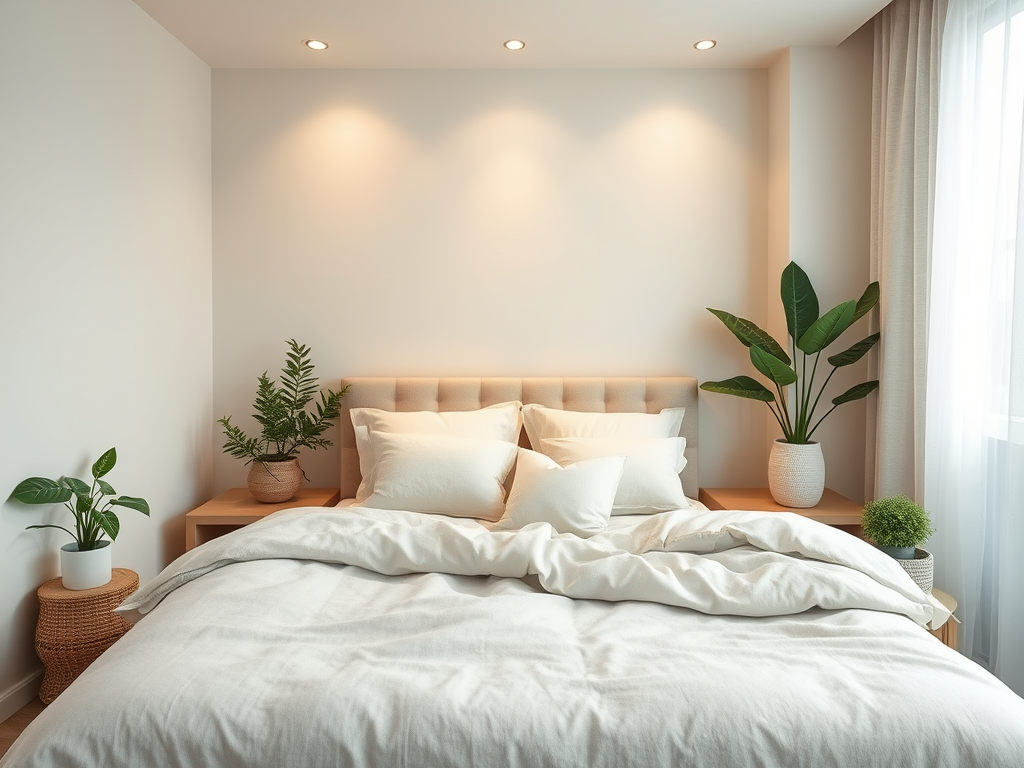
The bedroom is your sanctuary. Small changes can make a big difference in how restful and restorative it feels.
a. Rethink Bedroom Positioning
- If possible, place bedrooms on the quiet side of the house, away from busy roads or communal areas.
- In multi-storey homes, placing bedrooms above living rooms, rather than kitchens or bathrooms, can reduce night-time disturbances.
b. Insulation and Soundproofing
- Upgrading to acoustic insulation, triple glazing, or adding sound-absorbing materials like carpets and soft furnishings can reduce disruptive noise.
- Solid-core doors help block internal noise from hallways and adjacent rooms.
c. Light Control and Natural Rhythm
- Install blackout blinds or layered curtains to block early morning light or street glare.
- Consider automated lighting systems that dim gradually in the evening to support melatonin production.
3. Material and Colour Choices That Promote Calm
The textures and tones you use in your home influence your nervous system and sense of calm.
- Choose muted, earthy colours for sleep spaces, think soft greens, blues, or warm neutrals.
- Avoid high-gloss finishes in bedrooms, which reflect too much light and can feel overstimulating.
- Natural materials like linen, wool and timber help regulate temperature and create a grounded, restful atmosphere.
4. Whole-Home Enhancements for Better Sleep
Sleep doesn’t begin in the bedroom, it’s shaped by how your home supports your wind-down routine.
Create a Sleep-Friendly Evening Flow
- Design a tech-free lounge nook with warm lighting and comfortable seating to ease the transition to bedtime.
- Place bathrooms near bedrooms for convenience during night-time routines, but include noise dampening features like soft-close fixtures and insulated walls.
Control Light and Temperature Holistically
- Renovate to improve ventilation and thermal performance, overheating is a major cause of poor sleep in UK homes.
- Invest in zoned heating systems that let you maintain cooler bedroom temperatures and warmer living spaces.
5. Move or Improve? When a New Home Might Be the Better Choice
If your current home layout places bedrooms near noisy neighbours, busy roads, or impossible-to-quiet shared walls, even the best renovations may fall short. In this case, it may be wiser to move to a more sleep-supportive setting:
- Look for homes with separated sleeping and social zones, especially in family households.
- Prioritise properties with south- or east-facing bedrooms, which benefit from natural morning light for gentle waking.
As an architect, I can help you weigh the pros and cons, whether that means redesigning your current home to improve sleep, or finding a property that naturally aligns with restful living.
Final Thoughts: Design Sleep into Your Everyday Life
Improving your sleep isn’t just about habits, it’s about creating a space that works with your body’s rhythms. With the right architectural adjustments, you can transform your home into a restful retreat that supports your health, energy and peace of mind.
Considering a sleep-focused renovation or exploring homes with rest-friendly layouts?
Get in touch for tailored advice on how to design or choose a home that promotes truly restorative living.
Discover more from Move or Improve
Subscribe to get the latest posts sent to your email.
 Move or Improve
Leave a comment