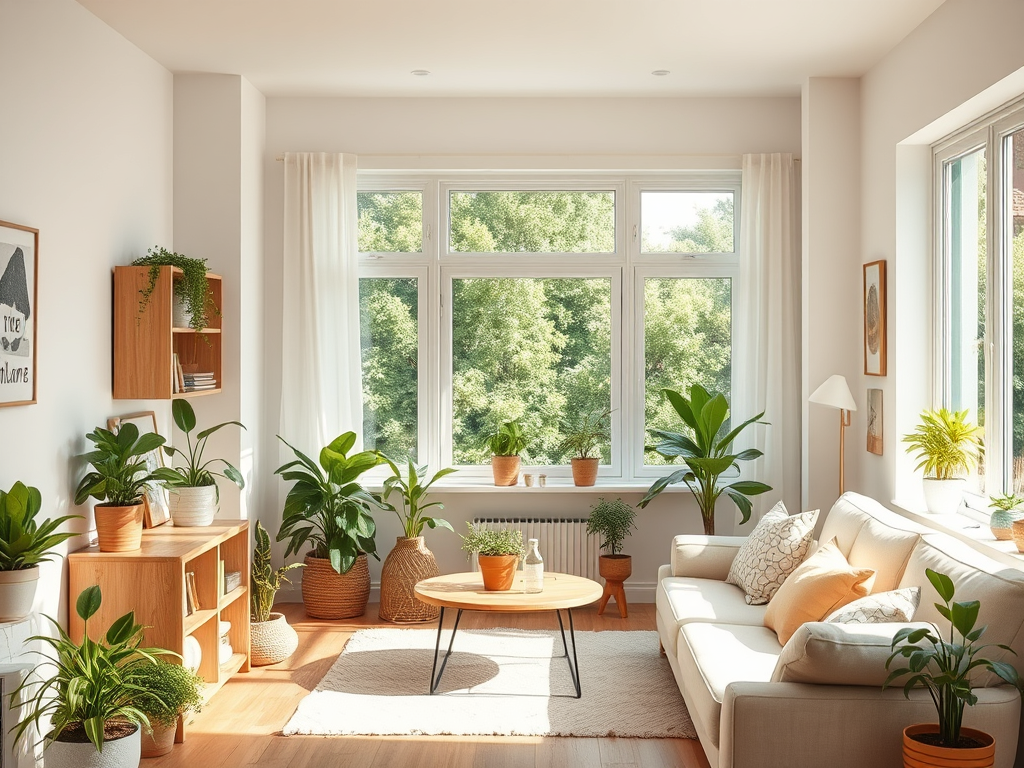
Your home is more than just a place to sleep it’s a major factor in your overall health. From the air you breathe to the noise levels around you, your home environment can impact your physical well-being, mental health, and even your sleep quality. Fortunately, you don’t need a big budget to make meaningful improvements.
Here’s how your home affects your health and some simple, low-cost ways to create a healthier living space.
- Air Quality and Respiratory Health
Poor indoor air quality can lead to respiratory issues, allergies, and fatigue. Common culprits include dust, mold, pet dander, and toxins from cleaning products or furniture.
Low-Cost Improvements:
- Improve Ventilation: Open windows daily to let fresh air circulate.
- Use Houseplants: Plants like spider plants, snake plants, and peace lilies help filter toxins from the air.
- DIY Air Purifier: Make an affordable air purifier by placing a box fan with a HEPA filter attached to it.
- Reduce Dust & Mold: Regularly vacuum and clean surfaces, especially in damp areas like bathrooms.
2. Lighting and Mental Well-Being
Lighting affects your mood, energy levels, and sleep quality. Harsh artificial lighting or lack of natural light can lead to eye strain, fatigue, and even depression.
Low-Cost Improvements:
- Maximise Natural Light: Keep windows clean, use light curtains, and arrange furniture to let more light in.
- Use Warm LED Bulbs: Replace harsh white bulbs with warm-toned LEDs to create a calming atmosphere.
- DIY Light Therapy: If you don’t get enough sunlight, sit near a bright lamp in the morning to help regulate your circadian rhythm.
3. Noise Levels and Stress
Constant noise pollution from traffic, appliances, or neighbours can increase stress and disturb sleep.
Low-Cost Improvements:
- Use White Noise Machines or Fans: These can help mask disruptive sounds at night.
- Add Soft Textures: Rugs, curtains, and cushions absorb sound and reduce echoes.
- Rearrange Furniture: Placing bookshelves or heavier furniture against noisy walls can dampen sound.
4. Clutter and Mental Clarity
A cluttered space can lead to feelings of overwhelm and anxiety, making it harder to focus and relax.
Low-Cost Improvements:
- Declutter in Small Steps: Set a 10-minute timer each day to organize a small area.
- Use Baskets & Containers: Affordable bins help keep things tidy without requiring major storage solutions.
- Adopt a One In, One Out Rule: Whenever you bring in a new item, donate or discard an old one.
5. Sleep Environment and Rest Quality
Your bedroom setup affects how well you sleep, which in turn impacts your overall health.
Low-Cost Improvements:
- Block Light with Curtains: Inexpensive blackout curtains can improve sleep quality.
- Lower Bedroom Temperature: A slightly cooler room (60-67°F or 15-19°C) promotes better sleep.
- Avoid Screens Before Bed: Reduce blue light exposure by using warm light settings or reading a book instead.
6. Toxins and Chemical Exposure
Many everyday household items contain harmful chemicals that can impact long-term health.
Low-Cost Improvements:
- Switch to Natural Cleaning Products: Vinegar, baking soda, and lemon juice can replace many chemical cleaners.
- Filter Your Water: A simple, budget-friendly water filter can reduce contaminants in tap water.
- Check for Hidden Toxins: Avoid plastic containers with BPA and opt for glass or stainless steel instead.
Final Thoughts
Your home should be a sanctuary for your health, not a source of stress or illness. Small, affordable changes like improving air quality, reducing noise, and decluttering can have a big impact on your physical and mental well-being. With just a little effort, you can create a healthier and more peaceful home environment without spending a fortune.
What small changes have you made to improve your home’s health? Let us know in the comments!
Discover more from Move or Improve
Subscribe to get the latest posts sent to your email.
 Move or Improve
Leave a comment