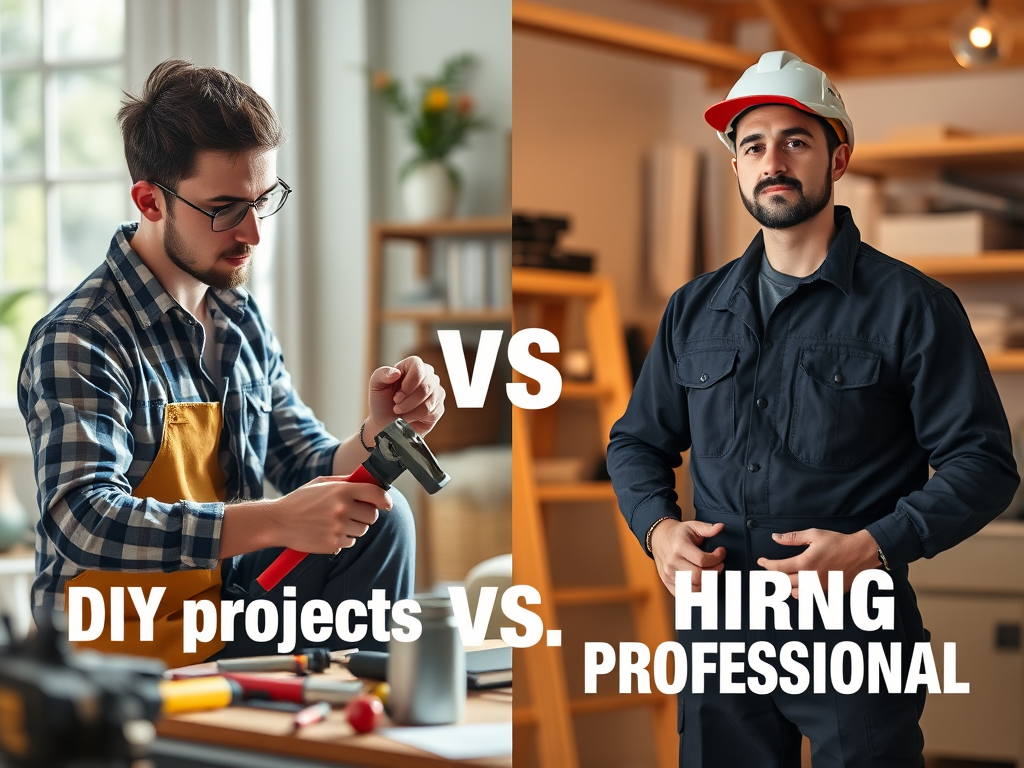
Home improvement projects can be exciting, but deciding whether to tackle them yourself or hire a professional can feel overwhelming. While a DIY approach can save money and provide a sense of accomplishment, some projects demand the expertise and precision of a seasoned professional.
In this blog post, we’ll break down when it makes sense to DIY, which projects are best left to the pros, and how to weigh the costs and benefits of each approach. Plus, we’ll share real-life examples of successful DIY and professional projects to inspire your next upgrade.
When It Makes Sense to DIY
1. Projects That Are Low-Risk
DIY is ideal for tasks that don’t involve significant structural changes, plumbing, or electrical work. Examples include:
• Painting walls or furniture
• Installing shelves or light fixtures
• Landscaping or gardening
• Assembling furniture
These projects allow you to build your skills and personalise your home without the risks of major damage or safety hazards.
2. When You Have the Time and Tools
DIY projects can be time-consuming. If you have a flexible schedule and the right tools, you may find these tasks rewarding and cost-effective. For example:
• Building a custom headboard
• Refinishing wooden furniture
• Laying peel-and-stick tiles
3. Budget-Friendly Customisations
Small-scale upgrades, like updating cabinet hardware or creating your own decor, are perfect for DIY enthusiasts looking to add personality without overspending.
Projects That Should Always Involve a Professional
1. Structural Changes
If your project involves knocking down walls, adding an extension, or modifying load-bearing elements, hiring a licensed architect or contractor is essential. Mistakes here can compromise the safety and value of your home.
2. Electrical and Plumbing Work
Jobs like rewiring, adding outlets, or installing new plumbing fixtures require expertise to meet safety standards and comply with regulations. DIY attempts in these areas can lead to costly mistakes or even legal issues.
3. Roofing Repairs
Roofing projects are not only dangerous but also require specialised skills to ensure proper insulation, drainage, and durability. Professionals are equipped to handle these challenges safely and efficiently.
4. Complex Finishes
For high-impact finishes like tiling, hardwood floor installation, or custom cabinetry, a pro’s precision and experience can make a significant difference in the final result.
Cost-Benefit Analysis: DIY vs. Hiring a Pro
DIY
Pros:
• Lower costs, as you’re saving on labour.
• Flexibility to work at your own pace.
• Personal satisfaction and skill-building.
Cons:
• Higher risk of mistakes, which can lead to additional expenses.
• Time-intensive, especially for beginners.
• Limited access to professional-grade tools or materials.
Hiring a Pro
Pros:
• Expertise ensures quality and safety.
• Projects are completed faster and with less stress.
• Access to professional tools and materials.
Cons:
• Higher upfront costs due to labour fees.
• Less control over timelines and specific design elements.
When deciding, consider both the monetary costs and the potential risks or rewards of your project. A small DIY mistake can often be corrected, but a major error in a professional-level task could cost thousands to fix.
Case Studies: Successful DIY and Pro Projects
DIY Success: A Garden Makeover
Emma from Manchester transformed her garden with a weekend DIY project. She built raised garden beds, planted flowers, and installed solar-powered lights. Costing just £200, her garden became a vibrant retreat that boosted her property’s curb appeal.
Pro Project: A Kitchen Remodel
James and Lucy in London hired a contractor for a full kitchen renovation, including new cabinets, updated wiring, and plumbing for a dishwasher. While the project cost £15,000, the results not only improved their daily life but also increased their home’s market value significantly.
The Hybrid Approach: Bathroom Refresh
Sarah in Birmingham saved money by painting her bathroom walls and installing new hardware herself but left the tiling and plumbing upgrades to a professional. This blend of DIY and hired help kept her on budget while achieving a polished finish.
Final Thoughts
Deciding whether to DIY or hire a pro ultimately comes down to the complexity of the project, your budget, and your skill level. Low-risk, creative projects are perfect for DIY enthusiasts, while structural, technical, or high-precision jobs are best left to professionals.
By carefully assessing your needs and capabilities, you can approach your next home improvement project with confidence—whether you’re wielding the hammer yourself or calling in the experts.
Discover more from Move or Improve
Subscribe to get the latest posts sent to your email.
 Move or Improve
Leave a comment