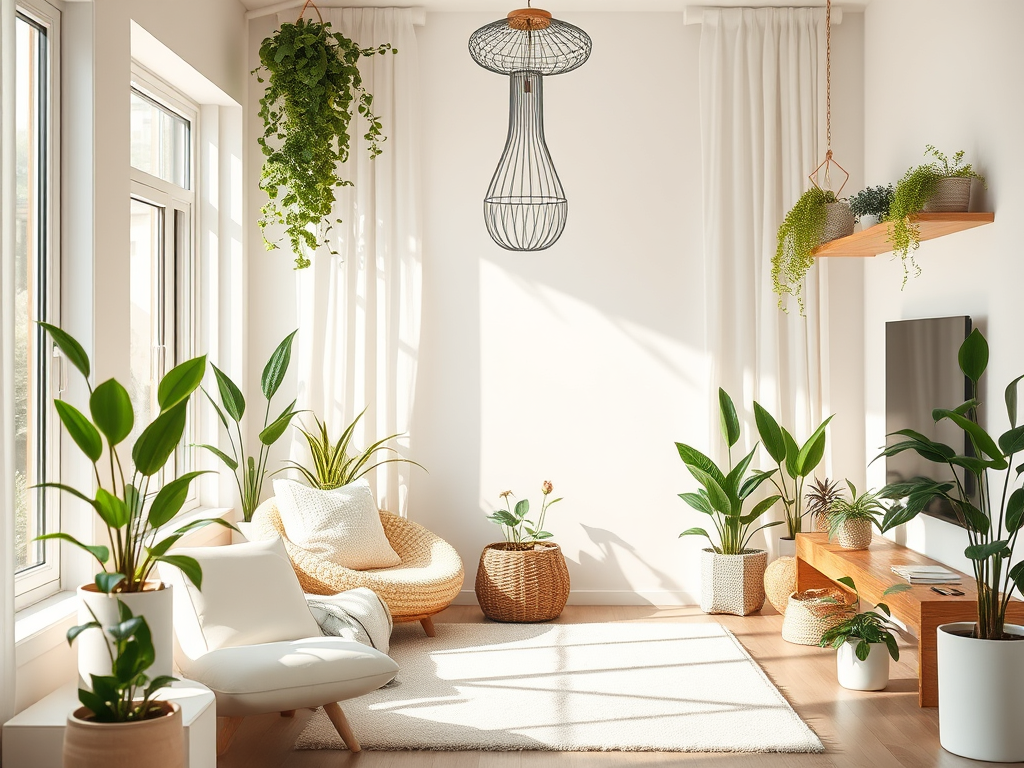
If you or your family suffer from allergies, your home should be a safe haven, not a trigger zone. Dust, pet dander, mold, pollen, and other allergens can accumulate indoors, leading to sneezing, itchy eyes, congestion, and even asthma flare-ups.
The good news? A few simple adjustments can significantly reduce allergens in your home and improve your overall comfort.
Here’s how to create an allergy-friendly home.
1. Improve Air Quality
Why It Matters: Indoor air can contain pollutants like dust mites, mold spores, and pet dander, all of which can trigger allergies.
How to Improve It:
- Invest in an Air Purifier HEPA-filter air purifiers, like the Dyson Pure Cool Air Purifier, can trap airborne allergens.
- Open Windows Strategically Let fresh air in but avoid peak pollen times (early morning and evening).
- Use a Dehumidifier A Meaco Low Energy Dehumidifier helps reduce moisture, preventing mold and dust mites from thriving.
- Change HVAC Filters Regularly Opt for HEPA filters and replace them every 2-3 months.
2. Reduce Dust and Dust Mites
Why It Matters: Dust mites are one of the most common indoor allergens and thrive in bedding, carpets, and upholstery.
How to Reduce Dust Mites:
- Wash Bedding Weekly Use hot water (60°C or higher) to kill dust mites.
- Use Allergen-Proof Covers Mattress and pillow protectors, like Allergy UK-approved bedding covers, create a barrier against dust mites.
- Declutter Surfaces Fewer items mean fewer places for dust to accumulate.
- Vacuum with a HEPA Filter A Shark Anti-Allergen Cordless Vacuum is designed to trap fine particles.
3. Control Pet Allergens
Why It Matters: Pet dander (tiny skin flakes) and saliva can trigger allergies, even if you’re not allergic to pet hair itself.
How to Manage Pet Allergies:
- Keep Pets Out of the Bedroom This gives you an allergen-free space to sleep.
- Bathe and Groom Pets Regularly Use pet-friendly hypoallergenic shampoos to reduce dander.
- Use a Lint Roller and Washable Pet Beds Clean surfaces and pet bedding frequently.
- Vacuum Often A vacuum like the Dyson V15 Detect Animal is designed for homes with pets.
4. Prevent Mold and Mildew
Why It Matters: Mold spores thrive in damp environments and can cause respiratory problems and allergies.
How to Prevent Mold:
- Fix Leaks Promptly Check for water leaks under sinks and in bathrooms.
- Use Mold-Resistant Paint In humid areas like bathrooms, anti-mold paint prevents growth.
- Improve Ventilation Open windows or use extractor fans when cooking or showering.
- Clean with Vinegar or Hydrogen Peroxide These natural solutions kill mold without harsh chemicals.
5. Choose Allergy-Friendly Flooring and Furniture
Why It Matters: Carpets, upholstered furniture, and heavy drapes can trap allergens.
Best Alternatives:
- Swap Carpets for Hard Flooring Wood, laminate, or tile is easier to clean than carpets.
- Use Washable Rugs Instead of full carpeting, opt for machine-washable rugs.
- Avoid Heavy Drapes Replace them with washable cotton or roller blinds.
6. Keep Pollen Outside
Why It Matters: Pollen from trees, grass, and weeds can easily make its way indoors, causing seasonal allergy flare-ups.
How to Keep It Out:
- Take Shoes Off at the Door Prevent tracking pollen inside.
- Shower and Change Clothes After Being Outside Especially during peak pollen season.
- Use a Door Mat A coarse-fibre doormat helps trap outdoor allergens.
- Keep Windows Closed During High Pollen Days Use an air purifier instead.
7. Use Natural Cleaning Products
Why It Matters: Many conventional cleaning products contain strong chemicals that can irritate allergies or asthma.
Best Cleaning Tips:
- Use Fragrance-Free Products Look for eco-friendly, hypoallergenic cleaning brands.
- DIY Cleaning Solutions Vinegar, baking soda, and lemon work wonders.
- Microfibre Cloths These trap dust better than traditional cloths.
Final Thoughts
Creating an allergy-friendly home doesn’t require expensive renovations just a few smart choices and habits. By improving air quality, controlling dust, managing pet allergens, and preventing mold, you can breathe easier and enjoy a healthier home.
Whats your favourite allergy-proofing tip? Share in the comments below!
Discover more from Move or Improve
Subscribe to get the latest posts sent to your email.
 Move or Improve
Leave a comment