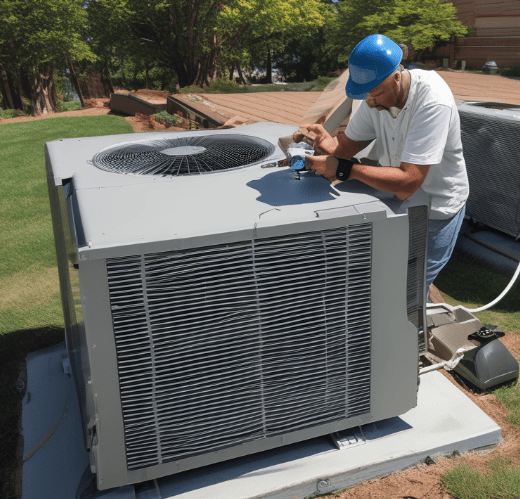
Benefits of a Solar Heat Pump
Energy Efficiency:
Combines solar energy with heat pump technology, leading to lower energy consumption.
High Coefficient of Performance (COP) means more heat or cooling output for each unit of electricity consumed.
Cost Savings:
Lower utility bills due to the utilisation of free solar energy.
Potential government incentives, rebates, or tax credits for renewable energy installations.
Environmental Impact:
Reduced carbon footprint by using renewable energy sources.
Decreased greenhouse gas emissions compared to conventional heating and cooling systems.
Year-Round Utility:
Provides both heating in winter and cooling in summer.
Effective in a variety of climates, making it versatile throughout the year.
Increased Property Value:
Homes with renewable energy systems often have higher resale values.
Attractive feature for environmentally conscious buyers.
Energy Independence:
Reduces dependence on fossil fuels and grid electricity.
Offers resilience against energy price fluctuations and supply issues.
Low Maintenance:
Solar panels require minimal maintenance.
Heat pumps have fewer moving parts compared to traditional HVAC systems, leading to lower maintenance requirements.
How to Install a Solar Heat Pump
Assess Your Home’s Suitability:
Location and Climate: Evaluate local climate and sunlight hours to determine effectiveness.
Space Availability: Ensure sufficient roof or ground space for solar panels.
Conduct a Heat Load Calculation:
Determine heating and cooling needs to select an appropriately sized heat pump.
Choose the Right System:
Heat Pump Type: Choose between air-source, ground-source (geothermal), or water-source heat pumps. Air-source is commonly paired with solar panels.
Solar Panel Type: Choose between monocrystalline, polycrystalline, or thin-film panels based on efficiency, budget, and space.
Find a Reputable Installer:
Look for certified installers with experience in solar heat pump installations.
Obtain multiple quotes and check references and reviews.
Obtain Permits and Incentives:
Secure necessary permits and comply with local regulations.
Apply for government incentives, rebates, or tax credits.
Installation Process:
a. Solar Panels Installation:
Mounting: Securely mount solar panels on the roof or ground.
Wiring: Connect solar panels to an inverter to convert DC to AC electricity.
Monitoring System: Install a monitoring system to track energy production.
b. Heat Pump Installation:
Outdoor Unit: Place the outdoor unit in a location with good airflow.
Indoor Unit: Install the indoor unit or connect to existing ductwork.
Refrigerant Lines: Connect outdoor and indoor units with refrigerant lines and electrical wiring.
Thermostat: Install and configure a thermostat or control system.
Integrate Solar Panels and Heat Pump:
Electrical Connection: Ensure the solar panel system is connected to the heat pump’s power supply.
System Configuration: Optimise the heat pump to prioritise solar energy usage.
System Testing and Commissioning:
Test the entire system for proper functionality.
Check for any leaks, electrical issues, or inefficiencies.
Maintenance and Monitoring:
Regularly clean solar panels for maximum efficiency.
Schedule periodic maintenance for the heat pump.
Use the monitoring system to track energy production and consumption.
Costs and Cost Savings
Initial Costs:
Solar Panels:
Cost: £4,000 to £8,000 (depending on size and type).
Installation: £500 to £2,000.
Heat Pump:
Air-Source Heat Pump: £6,000 to £10,000.
Ground-Source Heat Pump: £10,000 to £18,000.
Installation: £1,000 to £3,000.
Additional Costs:
Permits and Inspections: £200 to £500.
Electrical Work: £500 to £1,000.
Total Initial Investment: £12,000 to £24,000.
Ongoing Costs:
Maintenance:
Solar panels: Minimal, mostly cleaning.
Heat pumps: Annual servicing (£100 to £300).
Cost Savings:
Energy Bills:
Potential savings: 40% to 70% on heating and cooling costs.
Annual savings: £500 to £1,500 (depending on energy usage and local rates).
Incentives and Rebates:
Government incentives:
Renewable Heat Incentive (RHI), grants, and tax credits.
Potential savings: £1,000 to £3,000 over the system’s lifetime.
Payback Period:
Average Payback Time: 8 to 15 years (depends on initial costs, energy savings, and incentives).
Conclusion
Installing a solar heat pump can provide significant energy efficiency, cost savings, and environmental benefits.
By assessing your home’s suitability, choosing the right system, and ensuring proper installation and maintenance, you can maximise the advantages of this renewable energy solution.
The initial investment can be substantial, but the long-term savings and potential government incentives can make it a worthwhile investment for many homeowners.
Discover more from Move or Improve
Subscribe to get the latest posts sent to your email.
 Move or Improve
Leave a comment