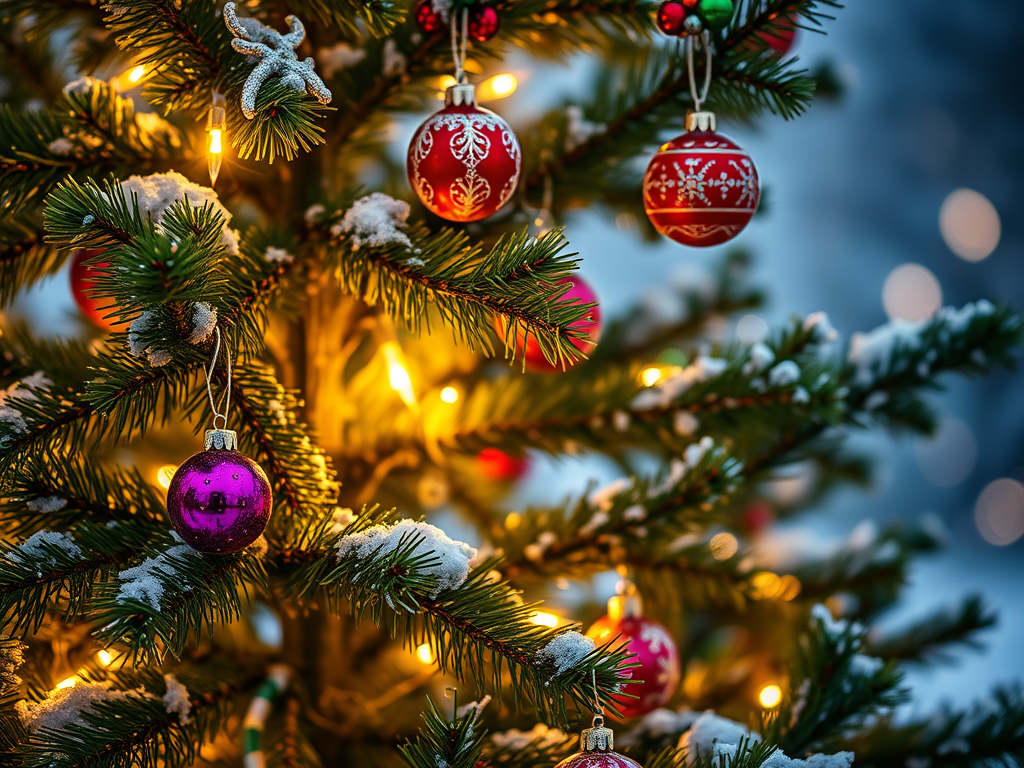
The age-old debate of artificial vs. real Christmas trees sparks conversations every holiday season. Both options have their merits and drawbacks, with factors such as environmental impact, health concerns, cost, and convenience playing critical roles in the decision. Let’s explore the pros and cons of each type to help you make an informed choice.
The Case for Artificial Christmas Trees
Pros of Artificial Christmas Trees
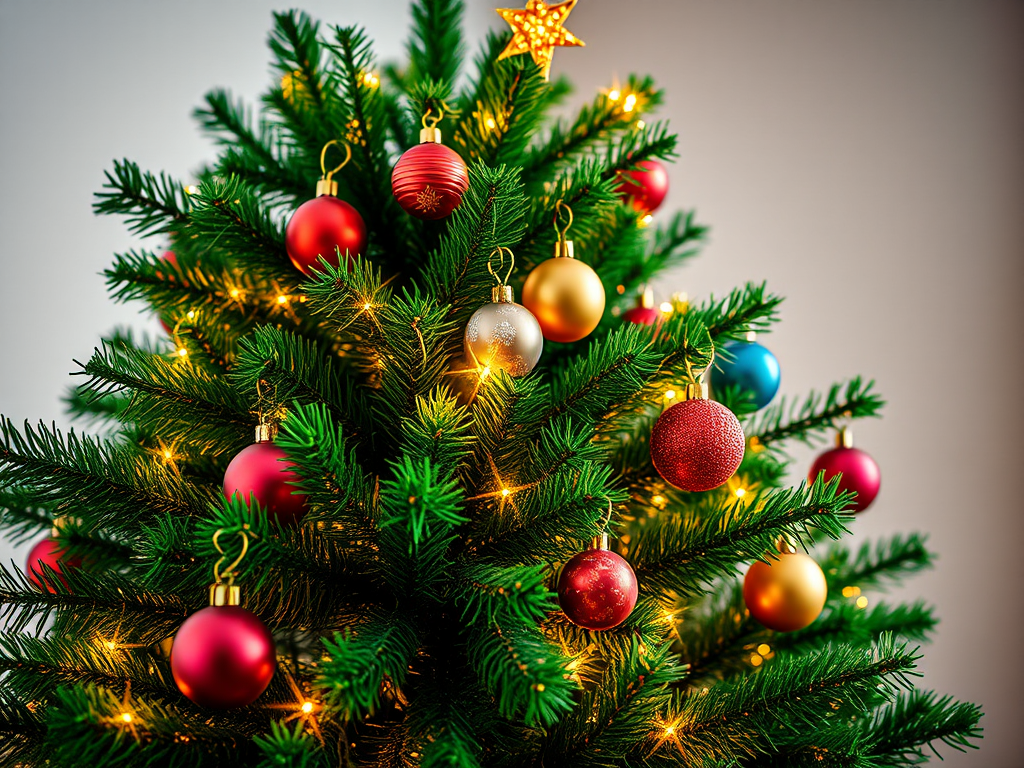
1. Convenience: Artificial trees are reusable, easy to set up, and often come pre-lit, saving you time during the busy holiday season.
2. Cost-Effective Over Time: While the initial cost is higher, artificial trees can last for years, making them more economical in the long run.
3. Low Maintenance: No watering, sweeping up needles, or worrying about sap.
4. Allergy-Friendly: Many people with allergies to pine or mould spores prefer artificial trees for a sneeze-free Christmas.
Cons of Artificial Christmas Trees
1. Environmental Impact: Artificial trees are made from PVC plastic and other non- biodegradable materials, contributing to long-term waste.
2. Carbon Footprint: The production and shipping of artificial trees, often from overseas, generate significant greenhouse gas emissions.
3. Health Concerns: Some artificial trees may contain potentially harmful chemicals like lead, posing risks to children and pets.
The Case for Real Christmas Trees
Pros of Real Christmas Trees
1. Eco-Friendly Option: Real trees are biodegradable, and many are grown on sustainable tree farms. They also provide habitats for wildlife during their growth cycle.
2. Supports Local Economies: Purchasing a real tree often supports local farmers and businesses.
3. Natural Aesthetic: The fresh scent and authentic look of a real tree create a cozy, nostalgic holiday atmosphere.
4. Carbon Capture: While growing, real trees absorb CO2 and release oxygen, making them a temporary carbon sink.
Cons of Real Christmas Trees
1. Short Lifespan: Once cut, real trees have a limited lifespan and require regular watering to stay fresh.
2. Maintenance: Dropped needles and sap can create a mess.
3. Allergies: Mould spores and natural allergens in real trees can trigger allergic reactions.
4. Carbon Footprint of Disposal: Improper disposal can negate some of the environmental benefits. Burning or landfilling a tree releases stored carbon back into the atmosphere.
Environmental Considerations
• Artificial Trees: A 2021 study by the American Christmas Tree Association (ACTA) suggests you need to reuse an artificial tree for at least 5-10 years to offset its environmental impact compared to buying a real tree annually.
• Real Trees: Opting for locally-sourced and sustainably-grown trees reduces transportation emissions and supports eco-friendly practices. Ensure proper disposal through recycling programs to minimise impact.
Health Implications
• Artificial Trees: Look for PVC-free options or those labeled non-toxic to reduce exposure to harmful chemicals.
• Real Trees: Clean your tree thoroughly before bringing it indoors to reduce mold spores and allergens.
Final Verdict: Which Should You Choose?
The choice between an artificial and a real Christmas tree depends on your priorities:
• If you prioritise convenience, cost-effectiveness, and reusability, an artificial tree might be better.
• If you value environmental sustainability and supporting local businesses, a real tree is likely the way to go.
Ultimately, both options have their place in holiday traditions. By weighing the pros and cons and considering your unique circumstances, you can make the best decision for your family and the planet.
What kind of tree will you choose this year? Share your thoughts below!
——————————————————————————————————-
#RealVsArtificial #ChristmasTreeDebate #EcoFriendlyHolidays #SustainableChristmas #ArtificialTreeProsCons #RealTreeBenefits #GreenChristmas
Discover more from Move or Improve
Subscribe to get the latest posts sent to your email.
 Move or Improve
Leave a comment