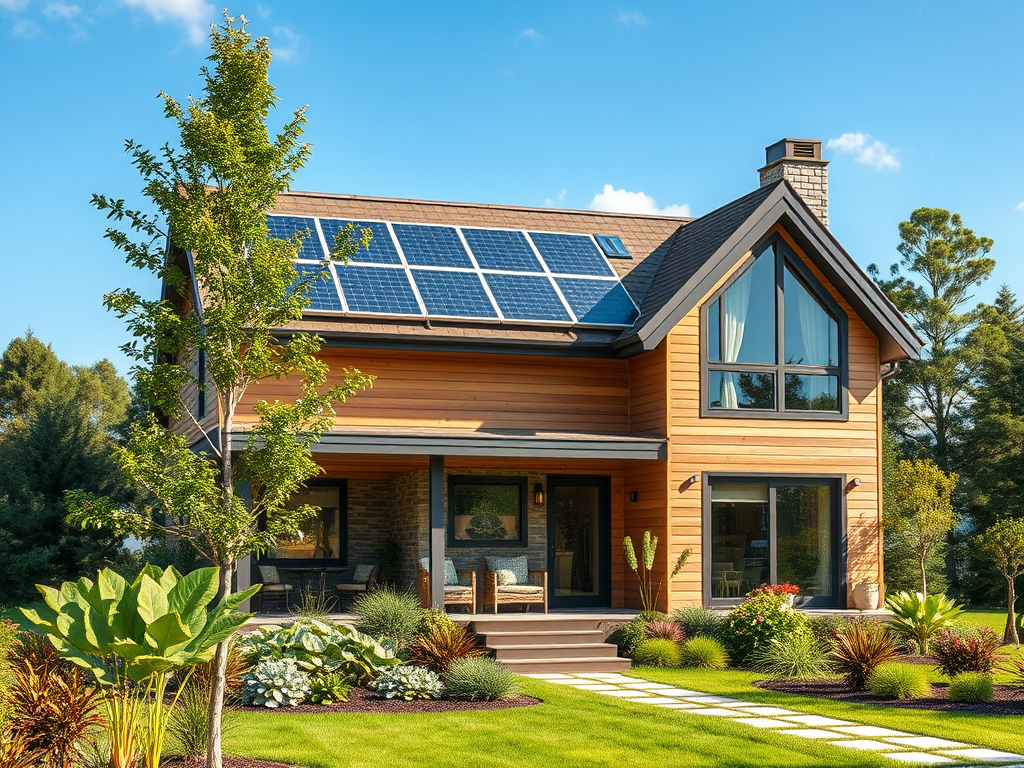
As climate change and environmental concerns continue to grow, creating a green home is becoming more than just a trend—it’s a responsibility. Whether you’re deciding to move or improve, incorporating sustainable practices into your living space is a smart way to reduce your carbon footprint, save on energy costs, and contribute to a healthier planet.
This blog explores the importance of eco-friendly living, highlights sustainable renovation materials and techniques, and offers energy-efficient upgrades to consider, whether you’re renovating your current home or settling into a new one.
The Importance of Eco-Friendly Living
1. Reducing Environmental Impact
Homes are a major contributor to energy consumption, waste production, and carbon emissions. By adopting eco-friendly materials and energy-efficient designs, you can significantly reduce your home’s environmental impact.
2. Improving Health and Well-Being
Green homes often use non-toxic materials and promote better air quality, which can enhance your overall health and well-being.
3. Enhancing Property Value
Sustainability sells. Homes with eco-friendly features are increasingly attractive to buyers, offering a competitive edge in the property market.
Sustainable Renovation Materials and Techniques
If you’re planning to renovate, consider these eco-friendly options:
1. Recycled or Reclaimed Materials
• Flooring: Opt for reclaimed wood or bamboo, a rapidly renewable resource.
• Countertops: Choose recycled glass, concrete, or paper-based options for a stylish and sustainable finish.
• Insulation: Use materials like wool, cork, or recycled denim for eco-friendly insulation that’s also highly effective.
2. Low-VOC Paints and Finishes
Traditional paints can release volatile organic compounds (VOCs), which harm indoor air quality. Low-VOC or no-VOC options are a safer and greener alternative.
3. Solar Panels and Renewable Energy
Installing solar panels during a renovation can provide a renewable energy source and lower your electricity bills over time.
4. Water Conservation Features
Incorporate low-flow fixtures, rainwater harvesting systems, or greywater recycling into your renovation plans to reduce water waste.
Energy-Efficient Upgrades to Consider When Moving
If you’re moving into a new home, look for properties that already have or can accommodate energy-efficient features:
1. Double- or Triple-Glazed Windows
Energy-efficient windows reduce heat loss in the winter and keep your home cooler in the summer, lowering your energy bills.
2. Smart Thermostats
These devices allow you to optimise your heating and cooling systems, saving energy without sacrificing comfort.
3. LED Lighting
Switching to LED bulbs is an easy and cost-effective way to reduce your home’s energy consumption.
4. Energy Star Appliances
Look for refrigerators, washing machines, and dishwashers with the Energy Star rating for maximum efficiency.
5. Green Roofing and Landscaping
Install a green roof or use drought-resistant plants in your garden to promote better insulation and reduce water usage.
Cost and Long-Term Benefits of Going Green
1. Upfront Costs vs. Savings
While eco-friendly upgrades may have higher upfront costs, they often lead to significant savings over time. For example, solar panels can reduce your electricity bills by up to 70%, while efficient insulation can lower heating costs by 20-30%.
2. Increased Resale Value
Sustainable homes are increasingly in demand, and buyers are willing to pay a premium for properties with green features.
3. Positive Environmental Impact
Beyond financial savings, sustainable living contributes to a healthier planet by reducing energy and resource consumption.
Final Thoughts
Whether you’re renovating your current home or moving to a new one, going green is a decision that benefits both you and the environment. By choosing sustainable materials, investing in energy-efficient upgrades, and focusing on long-term savings, you can create a home that’s not only beautiful and functional but also eco-friendly.
Building a green home is an investment in your future—and the planet’s. It’s a win-win that proves living sustainably doesn’t just feel good; it pays off in more ways than one.
Discover more from Move or Improve
Subscribe to get the latest posts sent to your email.
 Move or Improve
Leave a comment