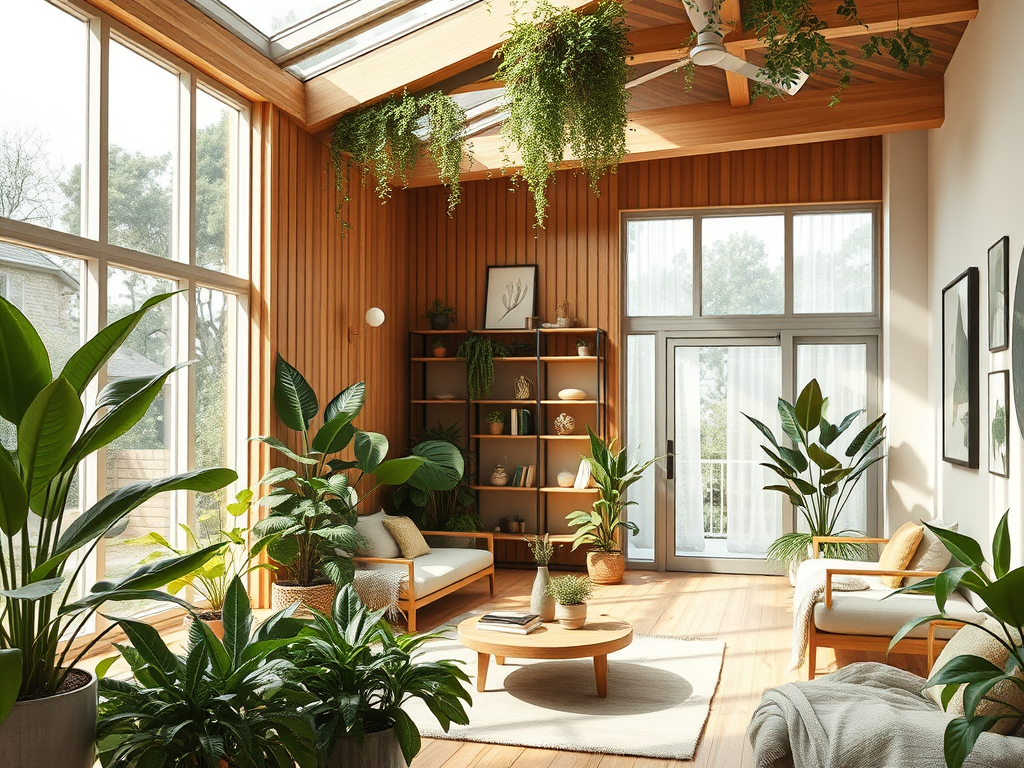
In a world increasingly aware of environmental challenges, adopting eco-friendly living practices has never been more important. Whether you’re preparing to move into a new home or looking to improve your current one, making sustainable choices can have a significant impact on the planet and your pocketbook. From choosing energy-efficient upgrades to using environmentally conscious renovation materials, here are some actionable ways to embrace green living.
The Importance of Eco-Friendly Living
Eco-friendly living is about reducing your environmental footprint by making choices that conserve resources, reduce waste, and minimise pollution. As global climate change accelerates and natural resources become increasingly strained, each decision we make—whether it’s about energy use, material selection, or waste reduction—counts.
Beyond the larger environmental benefits, living sustainably can improve your home’s efficiency, reduce energy bills, and increase its value. Plus, the peace of mind that comes with knowing you’re contributing to a healthier future is invaluable.
Sustainable Renovation Materials and Techniques
If you’re planning a renovation or improvement project, choosing eco-friendly materials is a great place to start. Here are some key options:
Reclaimed and Recycled Materials: Use reclaimed wood, bricks, or tiles from previous construction projects. Not only does this reduce waste, but it also adds character to your home.
Low-VOC Paints: Traditional paints release volatile organic compounds (VOCs) that can harm indoor air quality. Low- or no-VOC paints are healthier for both you and the environment.
Sustainable Flooring: Materials like bamboo, cork, and recycled tiles are durable, renewable, and eco-friendly alternatives to traditional flooring options.
Insulation Options: Opt for eco-friendly insulation, such as recycled denim, cellulose, or sheep’s wool, which provide excellent thermal protection while being less harmful to produce.
Green Roofing: Consider installing a green or living roof, which incorporates plants to improve insulation, absorb rainwater, and reduce urban heat.
When using these materials, aim to partner with contractors who prioritise sustainable building practices, like waste reduction and energy-efficient processes.
Energy-Efficient Upgrades to Consider When Moving
Moving into a new home provides an excellent opportunity to make energy-efficient upgrades right from the start. Here are some ideas to help reduce your energy consumption and costs:
Install Energy-Efficient Appliances: Look for ENERGY STAR-rated appliances, such as refrigerators, dishwashers, and washing machines, which use significantly less energy than conventional options.
Upgrade to LED Lighting: LEDs use up to 80% less energy and last longer compared to traditional bulbs, saving both money and resources over time.
Add Smart Thermostats: Smart thermostats optimise heating and cooling, learning your patterns to reduce energy usage and lower utility bills.
Improve Windows and Doors: Replace single-pane windows with double- or triple-pane options, and seal gaps to improve insulation and prevent drafts.
Consider Solar Panels: While the upfront cost may seem steep, solar panels can dramatically reduce or eliminate electricity bills and even earn you tax incentives or credits in many areas.
Install Low-Flow Fixtures: Water-efficient faucets, shower-heads, and toilets can significantly reduce water consumption without sacrificing performance.
By prioritising these upgrades, you can start your time in your new home with long-term savings and a smaller carbon footprint.
Cost and Long-Term Benefits of Going Green
While sustainable materials and energy-efficient upgrades often require higher initial investments, the long-term benefits far outweigh the upfront costs. Here’s why:
Lower Utility Bills: Energy-efficient upgrades like smart thermostats, LED lighting, and better insulation can lead to significant savings on energy and water bills.
Increased Property Value: Eco-friendly homes are increasingly in demand, and many buyers are willing to pay a premium for homes with sustainable features.
Tax Incentives and Rebates: Many governments and utilities offer tax credits, rebates, or incentives for making eco-friendly upgrades, helping to offset costs.
Durability and Longevity: Many sustainable materials, such as bamboo flooring or energy-efficient appliances, are designed to last longer, saving on replacement costs.
On a larger scale, adopting green living practices reduces your overall environmental impact, helping conserve natural resources for future generations.
Conclusion
Moving or improving your home offers the perfect chance to embrace sustainable living. By choosing eco-friendly materials, energy-efficient upgrades, and responsible contractors, you can create a greener, healthier home for yourself and the planet. While the upfront costs may seem daunting, the long-term benefits in savings, home value, and environmental impact make going green a smart and rewarding choice.
Start small, take one step at a time, and enjoy the journey toward a more sustainable lifestyle. Your home—and the Earth—will thank you.
Discover more from Move or Improve
Subscribe to get the latest posts sent to your email.
 Move or Improve
Leave a comment