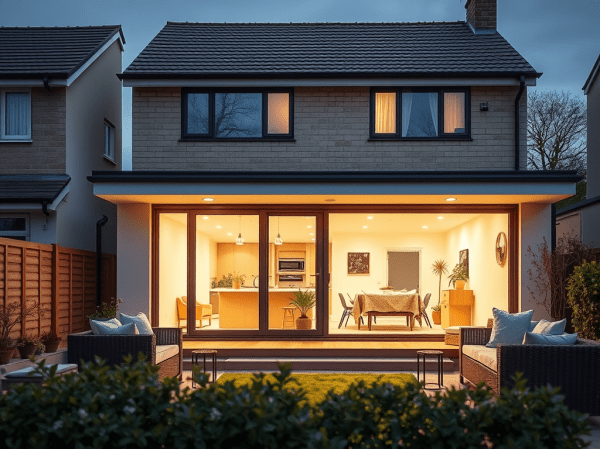
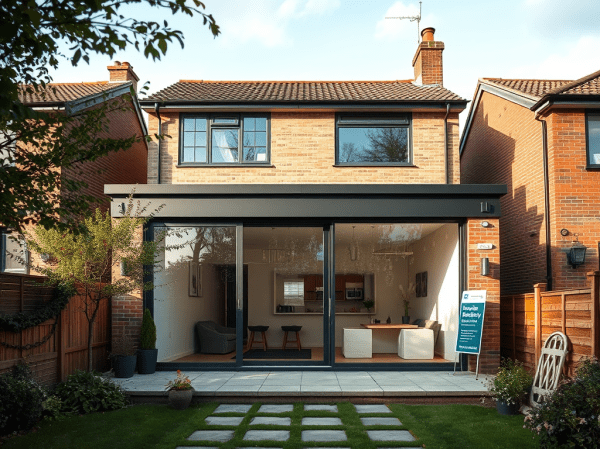
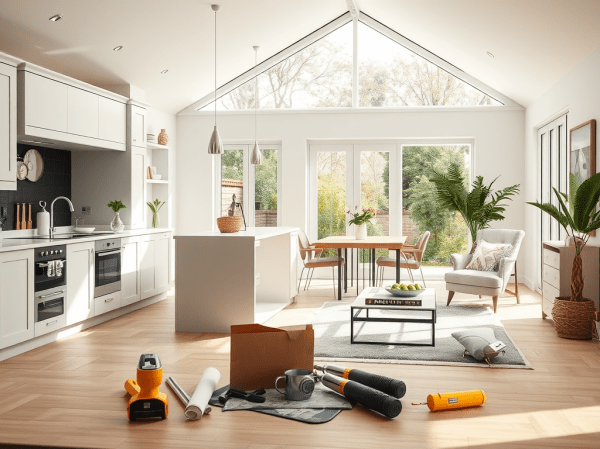
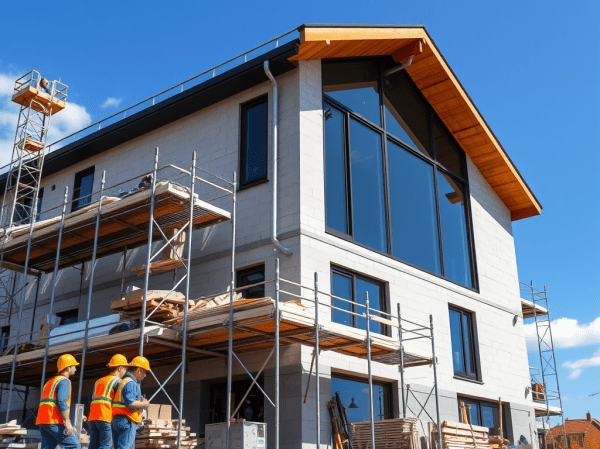
Property development in the UK involves a 10-step process from initial research to final sale or rental. Key steps include conducting feasibility studies, securing financing, acquiring land, obtaining planning permissions, hiring contractors, overseeing construction, and finalizing marketing strategies. Consulting professionals throughout enhances compliance and project success.
December 2025 Housing Market Update: Prices & What to Expect
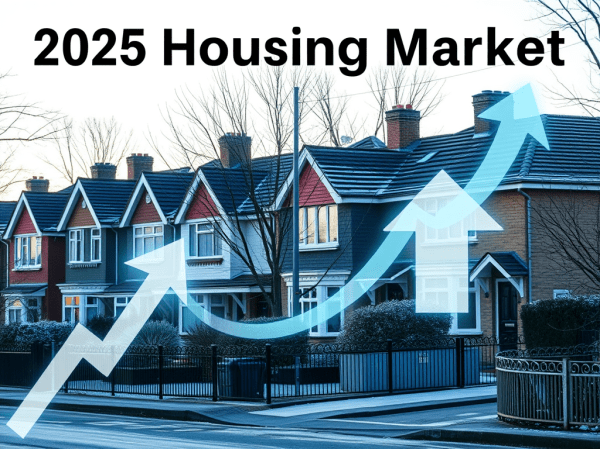
As 2025 concludes, the UK property market shows signs of stabilisation, with house prices steadying and mortgage rates gradually improving. The Autumn Budget encourages investment and construction. Demand for rentals remains strong, particularly in urban areas. The market is set for a modest recovery in early 2026, presenting opportunities for buyers and investors.
The Green Home: Sustainable Options for Moving or Improving
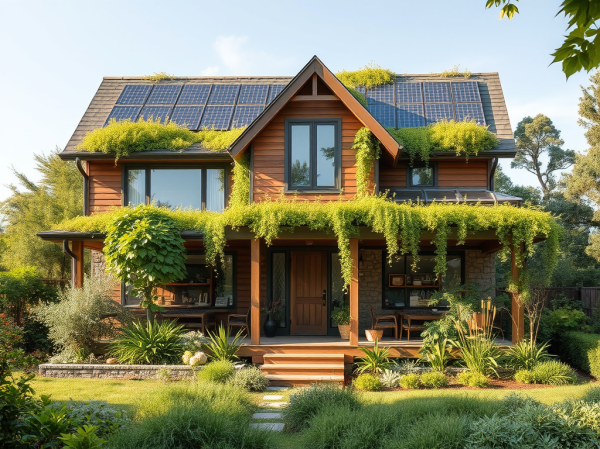
Adopting eco-friendly living practices is crucial for reducing environmental impact and enhancing home efficiency. Sustainable choices, including using recycled materials and energy-efficient upgrades, can lower utility bills and increase property value. Though upfront costs may be higher, long-term savings and environmental benefits make these investments worthwhile for a healthier future.
How to Choose an Eco-Friendly Home
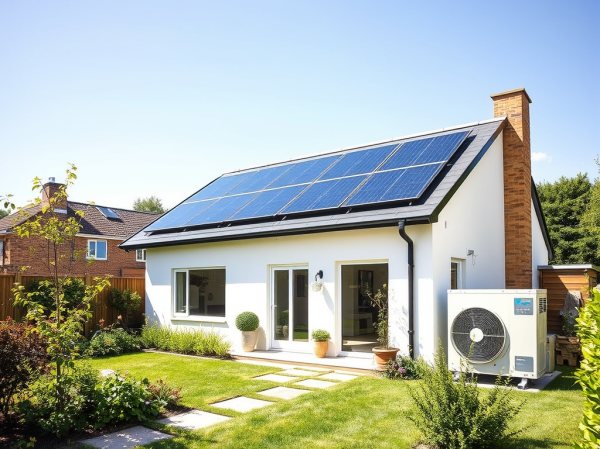
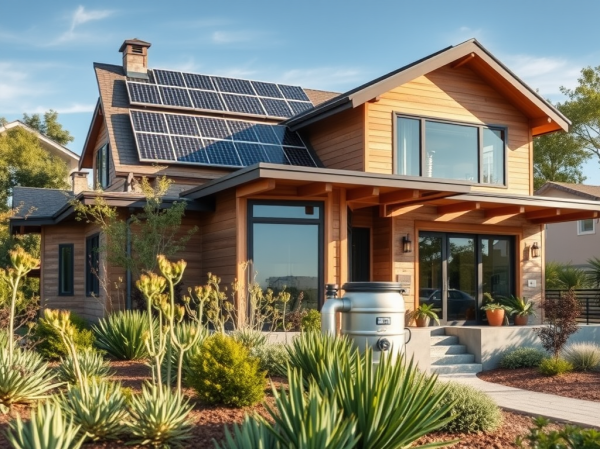
When searching for a sustainable house, focus on key features: energy efficiency through insulation and efficient appliances; renewable energy sources like solar and wind; water conservation methods; sustainable materials; indoor air quality; effective water management; energy management systems; strategic location; and recognized certifications. These elements ensure minimal environmental impact.
Kitchen Design Mistakes That Undermine Healthy Eating
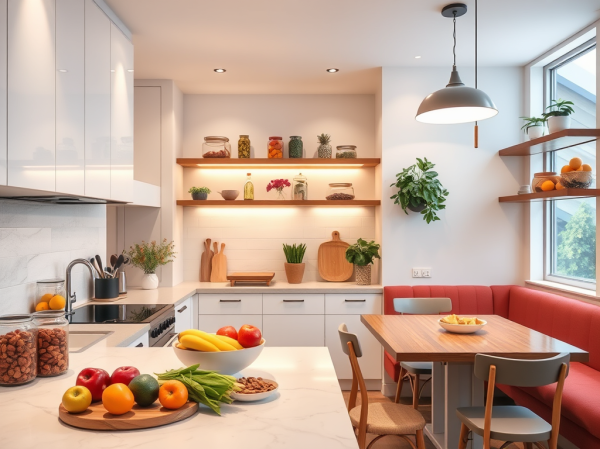
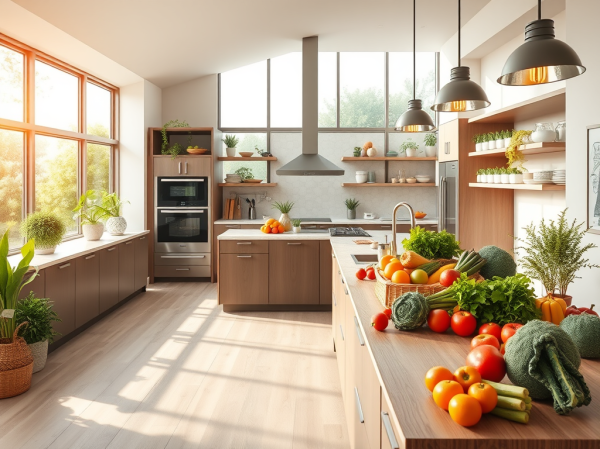
Ruth Tiles, an architect, identifies five common kitchen design mistakes that hinder healthy eating: cluttered worktops, poor lighting, hidden healthy food, inefficient workflow, and lack of an eating zone. She suggests solutions such as prioritizing storage, using layered lighting, making nutritious food visible, planning efficient layouts, and creating designated dining areas.
Renovate for Rest: Creating Sleep-Supportive Spaces in Your Home
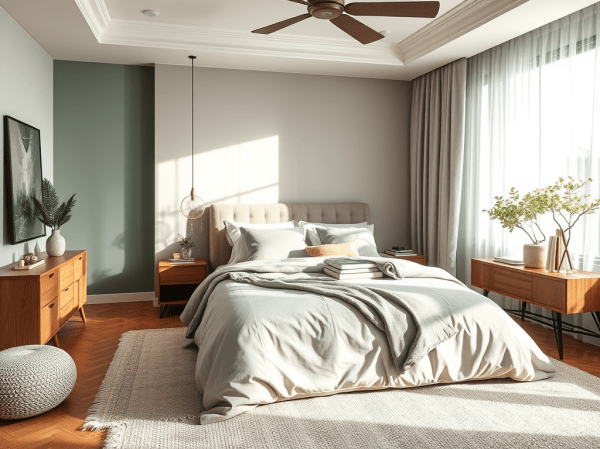
Ruth Tiles emphasizes the significant impact of home design on sleep quality. She discusses the importance of room layouts, acoustics, and color schemes, suggesting small renovations like soundproofing and light control. Ultimately, she helps homeowners decide whether to improve their current space or move to a better-suited environment for restful living.
Kitchen Layouts That Make Healthy Eating Easier
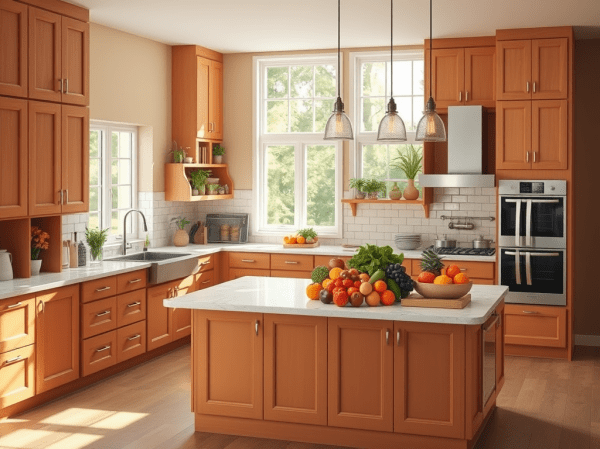
Ruth Tiles, an architect, discusses how kitchen design impacts eating habits and health. She highlights smart layouts like U-shaped, L-shaped, and galley kitchens that enhance meal preparation. Key features include accessible storage, dedicated prep zones, and effective lighting. Ultimately, thoughtful kitchen design supports healthier lifestyles and mindful cooking.
Design for Motion: Rethinking Rooms to Promote an Active Lifestyle
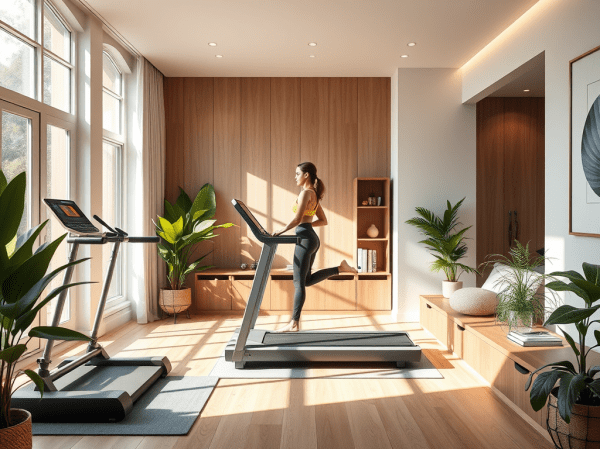
Ruth Tiles, an architect, emphasizes the importance of home design in promoting physical activity. She discusses layouts, room functionalities, and built-in features that facilitate movement, such as active furniture and seamless outdoor access. Ultimately, she encourages homeowners to reevaluate their spaces for better health and wellness.
Built to Move: Architectural Tweaks That Encourage Daily Activity
Ruth Tiles, an architect, emphasizes that home design can promote active lifestyles through intentional architectural choices. By rethinking layouts, integrating inviting stairs, creating multi-use spaces, improving storage visibility, and enhancing outdoor access, homeowners can encourage movement. If current homes hinder health goals, renovations or relocation may be necessary for better support.
From Floor-plans to Fitness: How Your Home Layout Impacts Your Health
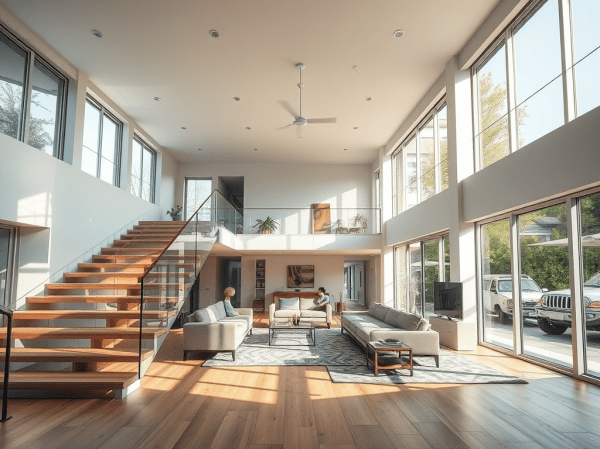
Ruth Tiles, an architect, emphasizes the importance of home layout in promoting health and wellbeing. She discusses how open spaces, central staircases, and natural light can enhance movement and daily habits. If current layouts hinder wellness, thoughtful renovations or relocating may be necessary, ultimately aiming for a supportive living environment.
Outdoor Spaces That Move You: Creating Fitness-Friendly Yards and Patios
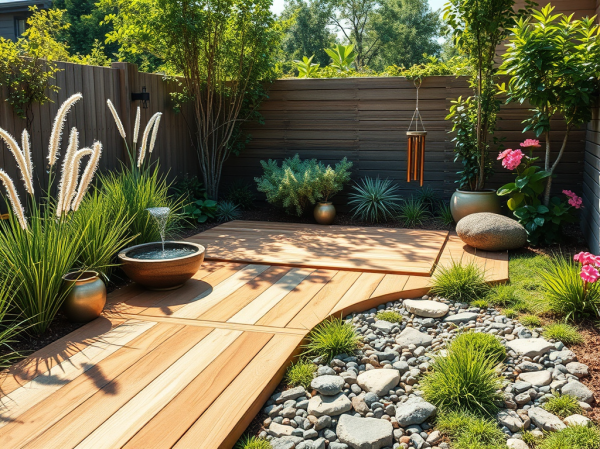
Ruth Tiles, an architect, highlights the benefits of designing outdoor spaces for movement and mindfulness. She offers ideas for creating fitness-friendly gardens, such as yoga decks, barefoot paths, and built-in jungle gyms. Simple DIY projects and thoughtful landscaping can enhance outdoor areas, supporting healthier lifestyles and adding property value.
Design Your Home to Support a Healthier Routine
Ruth Tiles, an architect, emphasizes that home design significantly impacts daily habits and wellness. Thoughtful layouts, smart storage, and subtle design changes can encourage healthy living. Whether through renovation or relocation, the right choices can facilitate better routines. Tiles offers guidance for creating spaces that support well-being and personal aspirations.
The Psychology of Space: How Your Home Impacts Motivation and Energy
Ruth Tiles, an architect, emphasizes the vital role of home design in influencing mental wellbeing, motivation, and daily routines. She highlights that proper lighting, color, and decluttered spaces can uplift moods and enhance productivity. Tiles advises on renovations to improve flow, light, and purpose, guiding residents to determine whether to move or improve.
Understanding the Party Wall Act 1996 for Property Owners
The Party Wall Act 1996 is UK legislation aimed at resolving disputes between neighbours regarding construction affecting shared structures in England and Wales. It mandates notifying neighbours and obtaining agreements before work starts, ensuring fairness. A Party Wall Agreement outlines project details, responsibilities, and minimizes conflicts, helping maintain good neighbourly relations.
Healthy Home, Healthy You: How Renovations Can Boost Wellbeing
In today's dynamic environment, homes serve multiple purposes beyond mere shelter. Thoughtful renovations significantly enhance both aesthetics and well-being, addressing issues such as air quality and layout. Prioritizing health-focused design can promote better sleep, mood, and physical activity. Ultimately, renovating for well-being is an essential investment in one's quality of life.
Should You Move for a Healthier Lifestyle?
In a wellness-focused world, homeowners should assess if their environment supports a healthy lifestyle. Consider moving for better access to nature, healthcare, and recreational facilities. Real-life examples highlight families improving their quality of life through relocation. Evaluating whether to improve your current home or move is crucial for long-term wellness.
Weekend Wellness Projects to Transform Your Home and Body
Creating a healthy and emotionally supportive home doesn't necessitate major renovations. Simple weekend projects, like organizing your pantry, setting up hydration stations, and using mindful design with light and color, can enhance well-being. These quick upgrades can also motivate larger improvements or inform decisions about moving, aligning with personal wellness goals.
Fitness-Friendly Home Designs: Get Moving Without Leaving the House
As homes become focal points for wellness, thoughtful design can enhance fitness without sacrificing comfort. Incorporating space-saving solutions, multi-functional areas, and subtle layout changes promotes daily movement. Simple DIY projects offer affordable enhancements. Ultimately, intentional design fosters a healthier lifestyle, whether through moving or improving existing spaces for sustainability and well-being.
Healthy Home, Healthy You: How Renovations Can Boost Well-being
This post emphasizes the profound connection between home design and health. Thoughtful renovations can enhance physical and mental well-being by improving air quality, natural light, and ergonomic layouts. Strategies focus on creating healthy spaces, such as fitness areas and meditation nooks, confirming that a well-designed home is vital for overall life quality.
Why Hire a Registered Architect in the UK?
When hiring an architect in the UK, ensure they are registered with the Architects Registration Board (ARB). Registered architects meet legal and professional standards, providing design expertise and risk management. Key considerations include confirming ARB registration, reviewing portfolios, checking communication skills, and understanding their approach to project management and budget.
10 Essential Tips to Make Your New House Feel Like Home
Moving into a new house can be thrilling, yet personalising the space takes time. Emphasise your style with a thoughtful colour palette, soft furnishings, artwork, and good lighting. Incorporate plants, window treatments, unique furniture, and warm scents. Small personal touches ultimately create a comforting atmosphere, making your new house a true home.
DIY vs. Hiring a Pro: Which Projects Are Worth the Investment?
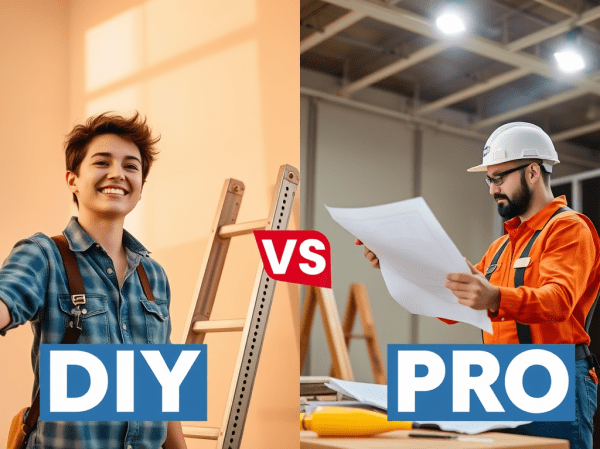
Home improvement projects can enhance your space and property value. This post advises on when to DIY and when to hire professionals, emphasizing safety and expertise. It discusses the cost-benefit of both approaches, offers case studies of successful projects, and underlines the importance of knowing one's limits in home renovations.
The Benefits of Hiring a Registered Architect for Your Project
Using an architect for your construction project can provide numerous benefits. Architects undergo extensive training and are skilled problem solvers. They can enhance your vision, manage the design and construction process, and ensure adherence to regulations. Collaborating with an architect from the beginning helps establish a clear brief and realistic budget. Always verify an architect's registration before hiring.
The Crucial Role of Architects in House Extensions and Refurbishments
Architects play a crucial role in house extensions and refurbishments, ensuring the project is aesthetically pleasing, structurally sound, and compliant with regulations. They assess the homeowner's needs, conduct feasibility studies, design the project, navigate regulations, manage the project, and add long-term value to the property. Their expertise ensures flawless execution and a rewarding experience for homeowners.
10 Easy Steps to Cut Extension Costs: A Complete Guide: Part 1
This content provides 10 steps to reduce extension costs, emphasizing establishing a budget, hiring an architect, understanding legal requirements, and focusing on simple designs for cost-effectiveness.