Not all home improvements increase value; some can negatively impact it. Successful enhancements include loft conversions, well-designed rear extensions, and energy efficiency upgrades. Conversely, overly personalized interiors and luxury finishes without layout change tend to underperform. Buyers prioritize space, light, and efficiency over trends. For valuable investment advice, email enquiries@moveorimprove.uk.
How to Fix a Bad House Layout Without Moving
Ineffective home layouts often lead to discomfort, characterized by long hallways, wasted spaces, and congestion. Architects can resolve these issues by re-routing circulation and enhancing room proportions and sightlines. The result is a more spacious, calm, and functional home without the need for extensions. For assistance, contact enquiries@moveorimprove.uk.
Do I Need Planning Permission for an Extension?
Homeowners often hesitate to improve their properties due to planning uncertainties. Planning permission is needed for large extensions, alterations over limits, and changes to listed buildings or in conservation areas. Early advice on planning rules can prevent redesign costs, delays, and refusal of applications. For clarity, contact enquiries@moveorimprove.uk.
How Much Does It Really Cost to Renovate a House in the UK in 2026?
Homeowners often begin renovations without a clear understanding of costs, leading to issues. Typical UK renovation costs in 2026 range from £500 to over £3,500 per m², influenced by various factors. Important budget considerations include professional fees, VAT, and contingencies. Good design minimizes costly delays and variations. For advice, email enquiries@moveorimprove.uk.
Should I Move House or Renovate? A 2026 Guide
Deciding whether to move or renovate is crucial for UK homeowners, especially in 2026, given rising costs and housing supply issues. Renovation is ideal for those who love their location but want layout improvements, while moving suits those facing severe restrictions. The right choice balances cost, control, and lifestyle value.
January 2026 UK Housing Market Update: Prices & What to Expect
As of January 2026, the UK housing market is stabilizing after years of fluctuations, favoring a more strategic approach for buyers, sellers, and investors. Key trends include price regionalism, affordability as a primary driver, and strong rental demand. Success hinges on understanding local dynamics and realistic pricing.
10 Essential Steps for Property Development in the UK
Property development in the UK involves a 10-step process from initial research to final sale or rental. Key steps include conducting feasibility studies, securing financing, acquiring land, obtaining planning permissions, hiring contractors, overseeing construction, and finalizing marketing strategies. Consulting professionals throughout enhances compliance and project success.
December 2025 Housing Market Update: Prices & What to Expect
As 2025 concludes, the UK property market shows signs of stabilisation, with house prices steadying and mortgage rates gradually improving. The Autumn Budget encourages investment and construction. Demand for rentals remains strong, particularly in urban areas. The market is set for a modest recovery in early 2026, presenting opportunities for buyers and investors.
The Green Home: Sustainable Options for Moving or Improving
Adopting eco-friendly living practices is crucial for reducing environmental impact and enhancing home efficiency. Sustainable choices, including using recycled materials and energy-efficient upgrades, can lower utility bills and increase property value. Though upfront costs may be higher, long-term savings and environmental benefits make these investments worthwhile for a healthier future.
The Emotional Side of Moving or Staying: How to Cope with Change
Change can be emotionally taxing, triggering feelings of anxiety and sadness. Involving family in decisions helps with shared understanding. To ease transitions, planning, decluttering, and celebrating small achievements are key. Acknowledge mixed emotions and seek support. Remember, navigating change fosters growth and can lead to unexpected new beginnings.
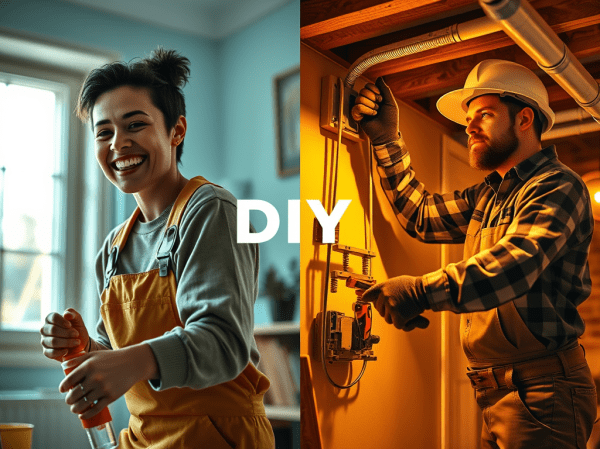
DIY vs Hiring a Pro: Which Home Projects Should You Choose?
Home improvement projects can be tackled as DIY or by hiring professionals, depending on complexity and expertise required. DIY is suitable for low-risk tasks like painting or gardening, while major structural changes, electrical, plumbing, and roofing work necessitate professional help. Assessing costs, risks, and personal skills is essential for successful outcomes.
Hidden Costs of Moving vs. Renovating: What You Need to Know
Deciding whether to move or renovate your home is a significant choice that goes beyond the obvious expenses. While moving may seem like a clean slate, and renovating might offer the chance to personalise your current space, both options come with hidden costs that can take you by surprise. In this post, we’ll break down... Continue Reading →
Top Home Renovation Trends to Boost Property Value
Renovating your home enhances aesthetics and increases property value. Key trends include open-plan living with defined zones, multi-functional spaces, and biophilic design. Upgrades in kitchens, bathrooms, and living areas focus on style and sustainability, like energy-efficient appliances and reclaimed materials. Working with qualified contractors ensures optimal returns on investments.
When Moving Makes More Sense: Key Scenarios to Consider
Moving house involves a blend of excitement and stress, often prompted by outgrowing your space, career changes, or favorable market conditions. Key preparation steps include decluttering, researching removal companies, budgeting, and notifying essential services. Recognizing when to move and preparing effectively can transform the experience into a positive new chapter.
Top Home Renovation Trends That Add Value to Your Property
In 2025, home renovations should focus on enhancing aesthetics, functionality, and property value. Key trends include open-plan layouts, eco-friendly features, smart technology in kitchens and bathrooms, and flexible living spaces. Sustainable upgrades and effective contractor collaboration are crucial to maximize investment potential, appealing to environmentally conscious buyers in a competitive market.
How to Make Money from Your Home with Short-Term Lets – AirBnB
You can earn extra income from your home by letting out a room or property, possibly making over £10,000 annually. Consider areas with high visitor traffic. Advertise on sites like SpareRoom and Theatre Digs Booker, and ensure good photos and positive reviews. Be mindful of insurance, mortgage terms, pricing, and guest checks, and comply with laws and safety regulations.
Make Money Renting Out Your Car Space
You can earn extra income by renting out your car space, particularly if you live in a city or near popular locations. Websites like Justpark.com and Yourparkingspace.co.uk can help you find renters. Ensure you have a proper contract and check your insurance, tax liabilities, and mortgage or rental agreements before proceeding. Always verify information independently.