10 Essential Steps for Property Development in the UK

Property development in the UK involves a 10-step process from initial research to final sale or rental. Key steps include conducting feasibility studies, securing financing, acquiring land, obtaining planning permissions, hiring contractors, overseeing construction, and finalizing marketing strategies. Consulting professionals throughout enhances compliance and project success.

How to: Property Development in the UK: Essential Steps for Success

Becoming a property developer in the UK involves steps like education, gaining experience, financial planning, property search, planning permissions, design and construction, marketing, legal compliance, and continuous learning. It includes research, networking, financial planning, due diligence, obtaining planning permission, project management, marketing strategy, legal compliance, and staying informed about market changes and trends.

Maximising Property Sale After Probate: Expert Guide

Yes, you can sell a property after probate has been granted.  Probate is the legal process that gives the executor or administrator the authority to manage the deceased's estate, including selling property.  Here’s a detailed guide on the process: 1. Understanding Probate Probate Grant: This is the official proof that the executor has the legal... Continue Reading →

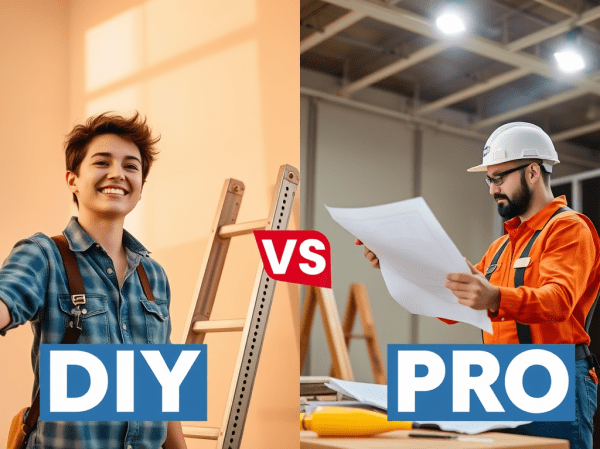
DIY vs. Hiring a Pro: Which Projects Are Worth the Investment?

Home improvement projects can enhance your space and property value. This post advises on when to DIY and when to hire professionals, emphasizing safety and expertise. It discusses the cost-benefit of both approaches, offers case studies of successful projects, and underlines the importance of knowing one's limits in home renovations.

Enhance Work Environment: Organising a Productive Home Office

Creating a productive home office involves choosing the right space, ergonomic furniture, essential technology, optimal lighting, and effective organization tools.

Complete Guide to Obtaining a Mortgage and Finding the Best Deal

To obtain a mortgage, assess finances, understand mortgage types, research deals, get an agreement, apply, and complete the process.

The Importance of Building Contracts in Construction Projects

When undertaking construction work, the building contract with your contractor is crucial. It should detail the scope of work, legislative consents, payment terms, working period, standards, variations, insurances, dispute resolution, and more. Choosing a contract from The Joint Contracts Tribunal (JCT) is recommended. It's advisable to seek guidance from a contract administration expert to ensure a smooth and successful project.

Self-Build Mortgages in the UK: Understanding, Eligibility, and Funding

Self-build mortgages provide funds for building your own home instead of buying an existing property. They differ from traditional home loans in key ways, with funds released in stages. Eligibility criteria include a good credit score, a larger deposit, detailed plans, and planning permission. Managing costs, budgeting, and considering risks are crucial. Seek specialist lenders and carefully navigate the application process. Upon completion, the self-build mortgage may transition to a standard residential mortgage.

Mastering Property Auctions: Types, Preparation, and Key Considerations

Property auctions offer potential bargains but come with rules and risks. Understand the process, research properties, prepare finances and legalities, register, bid wisely, and complete post-auction formalities to make a successful purchase.

Top 15 Energy-Efficient Home Improvements for Lower Utility Bills

Making energy-efficient home improvements can lower utility bills and increase property value. Effective upgrades include insulation, energy-efficient windows/doors, smart thermostats, LED lighting, solar panels, HVAC upgrades, air leak sealing, energy-efficient appliances, water heaters, roofing improvements, landscaping, energy-efficient flooring, plumbing fixtures, home energy management systems, window treatments. Conduct an energy audit, prioritize projects, set budget, research products/contractors, schedule projects, seek professional help as needed, and monitor and maintain systems for continued efficiency.

10 Key Winter Home Preparation Tips: Ensuring Warmth and Energy Efficiency

Preparing your home for winter involves steps like heating system maintenance, insulation, safety checks, and energy efficiency for comfort and safety.

Maximise Buyer Interest: Top Tips for Successful Home Staging

Home staging is a proven strategy to enhance your home's appeal to buyers, resulting in quicker sales and higher prices. Follow key tips for decluttering, cleaning, enhancing curb appeal, and creating inviting spaces.

Step-by-Step Guide: Finding and Buying a House in the UK

Finding and buying a house in the UK involves budgeting, mortgage approval, location research, online property search, estate agent registration, property viewings, evaluation, offer making, conveyancing, finalizing the purchase, and considering additional tips.

Home Improvement Loans in the UK: How to Get the Best Deal

To obtain a UK home improvement loan, assess needs, check credit score, explore loans, compare lenders, and consider repayment capacity.

Maximize Efficiency and Save Space with Multi-Use Appliances for Your Home

Installing multi-use appliances can maximize efficiency and space, offering convenience and energy savings. Consider washer-dryers, multi-cookers, smart refrigerators, and more.

Understanding JCT Home Owner Contracts: Complete Guide for Home Owners

Building contractors often rely on handshakes, leaving homeowners vulnerable. JCT's Home Owner Contracts offer protection by clearly defining roles, responsibilities, and project details. Available for various scenarios, the contracts simplify project management, ensure legal certainty, and cover key aspects like planning permission and dispute resolution. Suitable for small domestic building work.

The Crucial Role of Architects in House Extensions and Refurbishments

Architects play a crucial role in house extensions and refurbishments, ensuring the project is aesthetically pleasing, structurally sound, and compliant with regulations. They assess the homeowner's needs, conduct feasibility studies, design the project, navigate regulations, manage the project, and add long-term value to the property. Their expertise ensures flawless execution and a rewarding experience for homeowners.

House Extension Budgeting: A Step-by-Step Guide

Key considerations for budgeting and financing a house extension or loft conversion include defining scope, cost estimation, financing options, securing funding, planning, project management, and contingency planning for unexpected costs and completion.

Maximizing Returns: BRR Property Investment in the UK

Investors in the UK can profit from BRR properties by buying below market value, renovating, and refinancing to increase rental yields and property value. Careful planning and market knowledge are essential for success.

Property Evaluation Checklist: Detailed Guide for Informed Decisions

Creating a property viewing checklist is crucial. Assess exterior, interior, safety, legal aspects, surroundings, and ask questions. Use resources like notepad, camera, and measuring tape for a thorough evaluation.

Guide to Finding Reliable Building Contractors in the UK

In the UK, finding reliable building contractors is crucial for project success. Follow these steps: Define project needs, research and recommendations, check work history, request quotes, interviews, and sign a detailed contract.

How to: Step-by-Step Kitchen and Bathroom Refurbishment Guide: Enhance Functionality and Value

Refurbishing your kitchen and bathroom can enhance functionality and aesthetic appeal. Follow a step-by-step guide for planning, budgeting, demolition, updates, and finishing touches to transform these spaces effectively.

10 Easy Steps to Cut Extension Costs: A Complete Guide: Part 2 – Cost-Effective House Extensions: DIY, Project Management, and VAT Tips

To save on building costs, consider DIY for simple tasks like decorating and sourcing materials from reclamation yards or the internet. Project management and VAT tips can also reduce expenses significantly.

How Much Does It Cost to Extend a House in the UK?

House extension costs in the UK vary based on location, type, quality, and complexity. Costs per square meter range from £1,200 - £3,500+. Factors like location, design complexity, and materials impact overall expenses.

Permitted Development Rights: Your Ultimate Guide

Permitted development allows homeowners to improve or extend their homes without planning permission, but it's essential to seek professional advice and obtain formal confirmation from the local authority. However, there are limitations and common mistakes to avoid, which could result in serious consequences if not adhered to. Always ensure to obtain a Certificate of Lawful Proposed Development beforehand.

Top 10 Home Improvement Ideas to Add Value and Pleasure

Repairs and aesthetic updates can increase home value and livability. Top 10 ideas include decluttering, painting, improving curb appeal, enhancing energy efficiency, reconfiguring layout, upgrading kitchen and bathrooms, landscaping, converting space, and building an extension. Author advises readers to verify information independently.

Move or Improve: Save Costs and Add Value to Your Home

With the current housing market uncertainty, many consider improving rather than moving. Moving costs of approximately £20,000 lead to the option of extending or renovating without needing a full planning application. Hiring an architect, despite costing 5% to 15% of the construction cost, can save money and time. Seeking professional advice is essential.

How to Determine What Property You Can Afford: A Step-by-Step Guide

To determine what property you can afford, evaluate your income, expenses, savings, and property costs. Calculate your budget, assess savings and upfront costs, determine your mortgage, estimate affordability, and adjust for local market conditions. Carefully analyze your financial situation and consult with advisors to make an informed decision.

Moving vs. Improving: Making the Right Choice for Your Home

Deciding whether to move to a new home or invest in improving your current one is a significant decision that involves various considerations. Both options come with their own set of advantages, disadvantages, and costs.

Blog at WordPress.com.

Up ↑