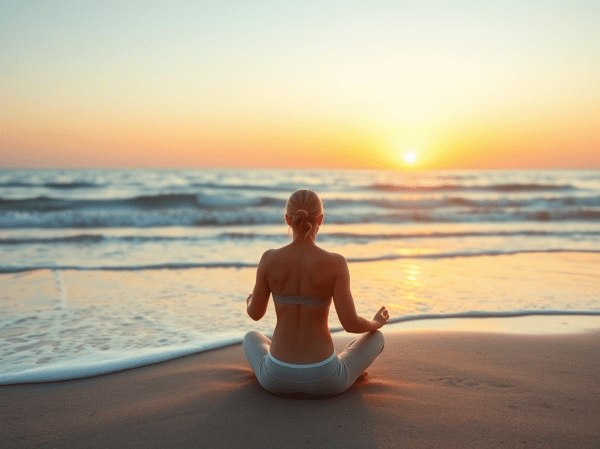
In a fast-paced world, relaxation is vital for mental and physical health. Move or Improve emphasizes that relaxation can be cultivated through various techniques like deep breathing, progressive muscle relaxation, guided visualisation, mindfulness meditation, gentle movement, aromatherapy, and journalling. Implementing these practices can significantly reduce stress and enhance well-being.
The Benefits of Natural Light on Mood and Sleep
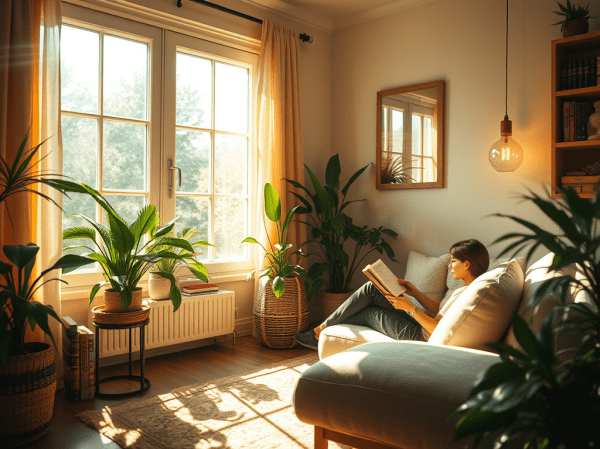
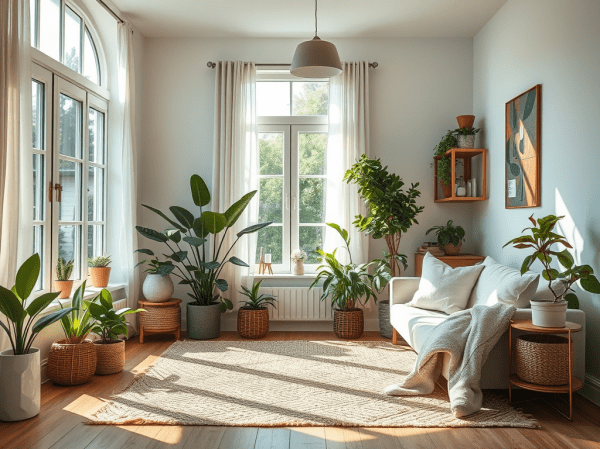
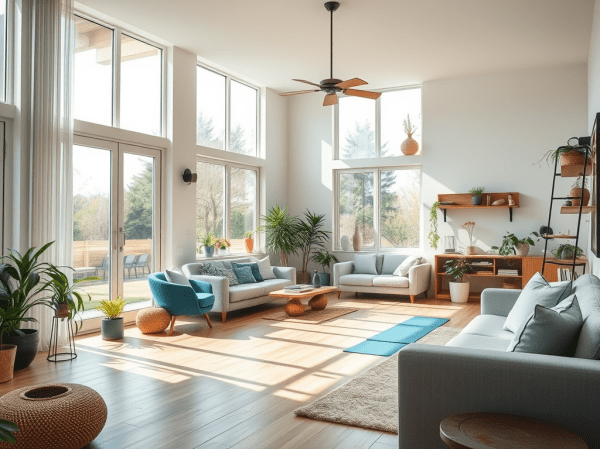
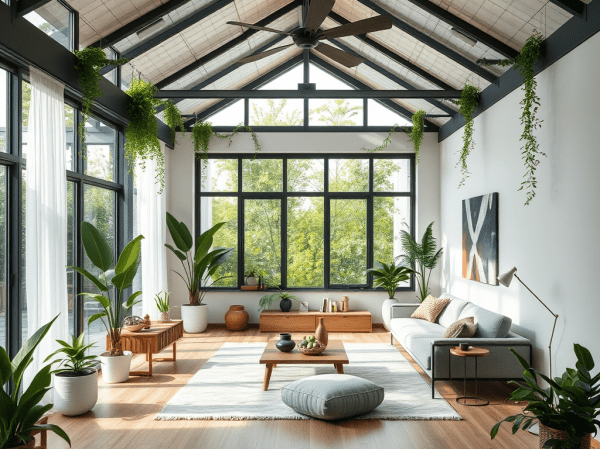
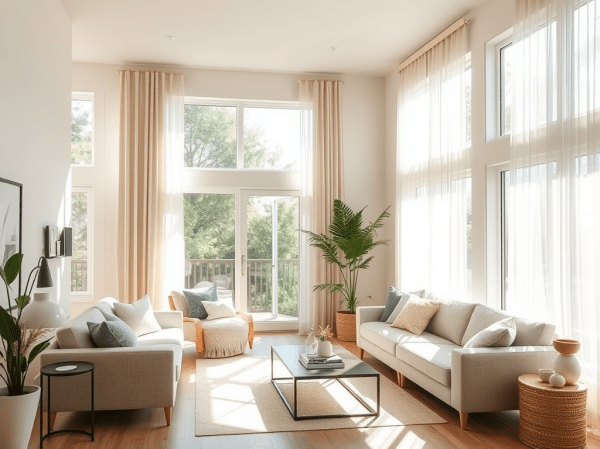
Natural light significantly affects mood and sleep, playing a crucial role in regulating circadian rhythms and hormone production. Ample exposure can improve well-being, reduce anxiety, and enhance sleep quality, while lack of sunlight may cause fatigue and depression, particularly in Seasonal Affective Disorder. Practical tips include morning sunlight exposure and optimising indoor light.
How to Make Your Home Allergy-Friendly in 7 Simple Steps
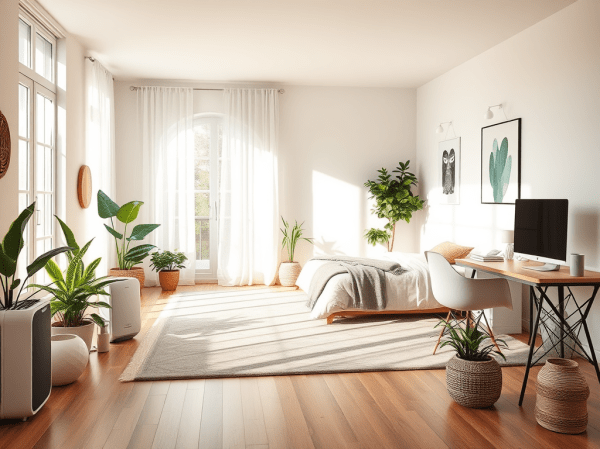
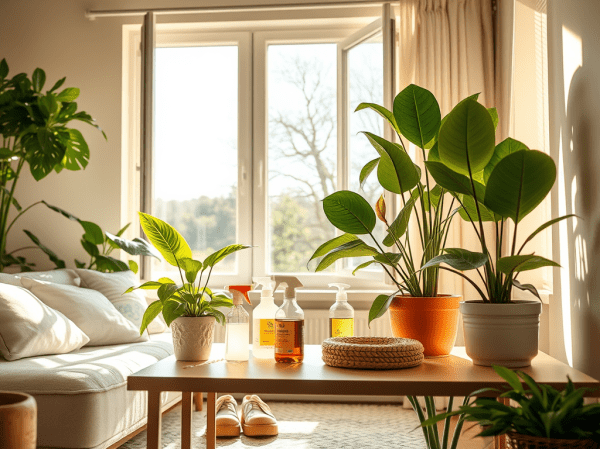
To create an allergy-friendly home, focus on improving air quality with HEPA purifiers, reducing dust and dust mites through regular cleaning, controlling pet allergens by grooming and keeping pets out of bedrooms, and preventing mold with proper ventilation. Choose hard flooring and natural cleaning products to further minimize allergens.
Kitchen Design Mistakes That Undermine Healthy Eating
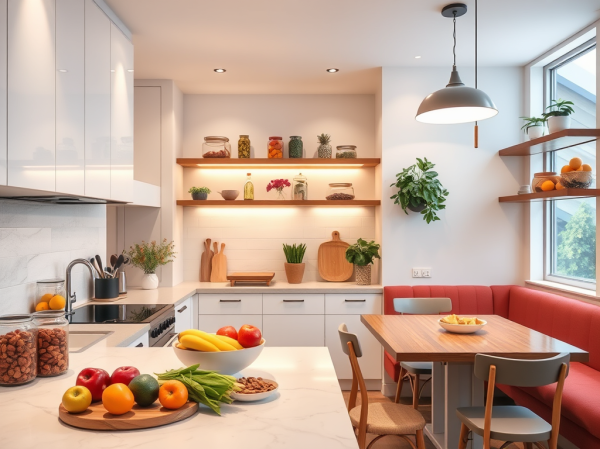
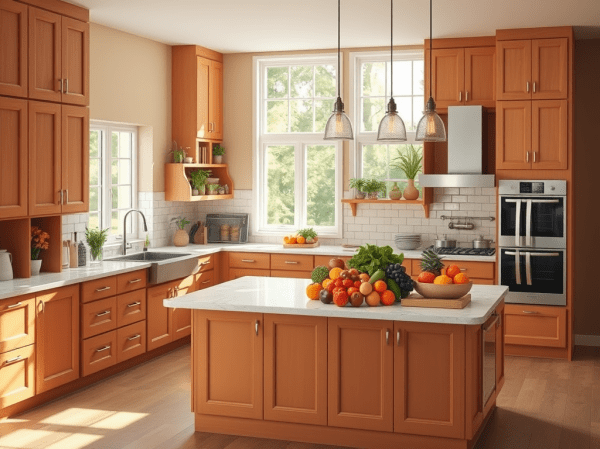
Ruth Tiles, an architect, identifies five common kitchen design mistakes that hinder healthy eating: cluttered worktops, poor lighting, hidden healthy food, inefficient workflow, and lack of an eating zone. She suggests solutions such as prioritizing storage, using layered lighting, making nutritious food visible, planning efficient layouts, and creating designated dining areas.
Improve Your Home for Better Health: Low-Cost Tips
Your home significantly influences your health, affecting aspects like air quality, lighting, noise levels, clutter, and toxic exposure. Simple, low-cost adjustments can enhance your living space, such as improving ventilation, maximizing natural light, managing noise, decluttering, and opting for natural cleaning products. Small changes contribute to better physical and mental well-being.
Renovate for Rest: Creating Sleep-Supportive Spaces in Your Home
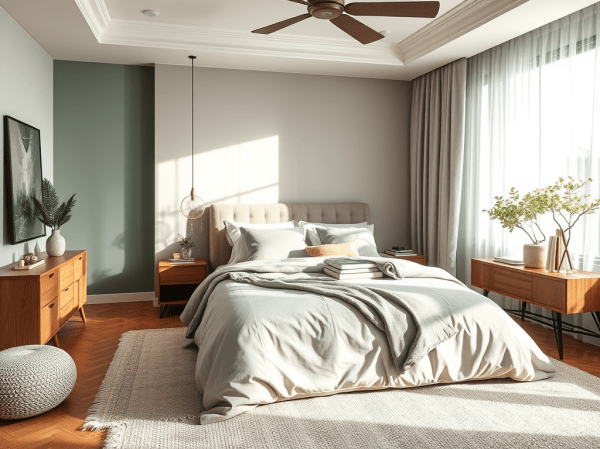
Ruth Tiles emphasizes the significant impact of home design on sleep quality. She discusses the importance of room layouts, acoustics, and color schemes, suggesting small renovations like soundproofing and light control. Ultimately, she helps homeowners decide whether to improve their current space or move to a better-suited environment for restful living.
Natural Ways to Boost Indoor Air Quality for Health
Indoor air quality affects health and well-being. Simple strategies can improve it, such as increasing ventilation by opening windows, maintaining cleanliness through regular vacuuming, controlling humidity with dehumidifiers, incorporating air-purifying houseplants, using natural cleaning products, avoiding indoor smoking, minimizing scented products, and implementing a no-shoes policy.
Kitchen Layouts That Make Healthy Eating Easier
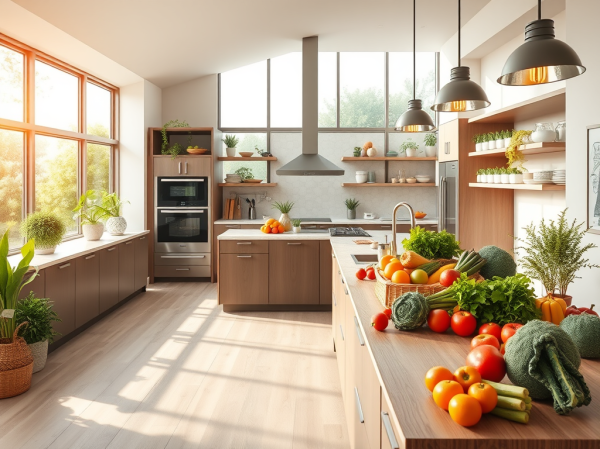
Ruth Tiles, an architect, discusses how kitchen design impacts eating habits and health. She highlights smart layouts like U-shaped, L-shaped, and galley kitchens that enhance meal preparation. Key features include accessible storage, dedicated prep zones, and effective lighting. Ultimately, thoughtful kitchen design supports healthier lifestyles and mindful cooking.
Design for Motion: Rethinking Rooms to Promote an Active Lifestyle
Ruth Tiles, an architect, emphasizes the importance of home design in promoting physical activity. She discusses layouts, room functionalities, and built-in features that facilitate movement, such as active furniture and seamless outdoor access. Ultimately, she encourages homeowners to reevaluate their spaces for better health and wellness.
Built to Move: Architectural Tweaks That Encourage Daily Activity
Ruth Tiles, an architect, emphasizes that home design can promote active lifestyles through intentional architectural choices. By rethinking layouts, integrating inviting stairs, creating multi-use spaces, improving storage visibility, and enhancing outdoor access, homeowners can encourage movement. If current homes hinder health goals, renovations or relocation may be necessary for better support.
From Floor-plans to Fitness: How Your Home Layout Impacts Your Health
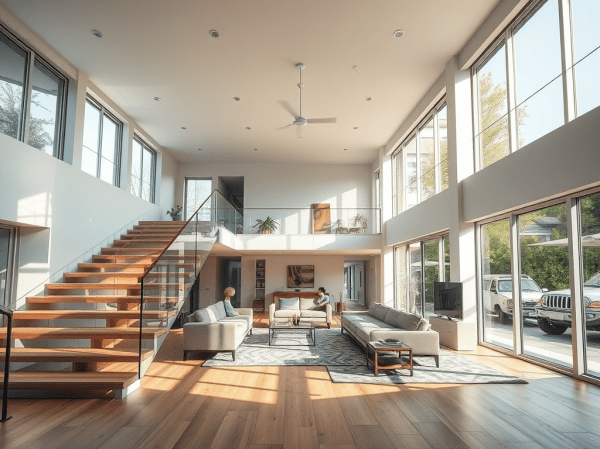
Ruth Tiles, an architect, emphasizes the importance of home layout in promoting health and wellbeing. She discusses how open spaces, central staircases, and natural light can enhance movement and daily habits. If current layouts hinder wellness, thoughtful renovations or relocating may be necessary, ultimately aiming for a supportive living environment.
Outdoor Spaces That Move You: Creating Fitness-Friendly Yards and Patios
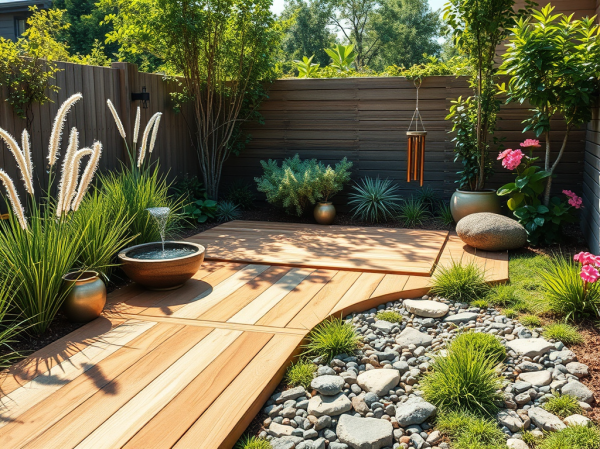
Ruth Tiles, an architect, highlights the benefits of designing outdoor spaces for movement and mindfulness. She offers ideas for creating fitness-friendly gardens, such as yoga decks, barefoot paths, and built-in jungle gyms. Simple DIY projects and thoughtful landscaping can enhance outdoor areas, supporting healthier lifestyles and adding property value.
Design Your Home to Support a Healthier Routine
Ruth Tiles, an architect, emphasizes that home design significantly impacts daily habits and wellness. Thoughtful layouts, smart storage, and subtle design changes can encourage healthy living. Whether through renovation or relocation, the right choices can facilitate better routines. Tiles offers guidance for creating spaces that support well-being and personal aspirations.
The Psychology of Space: How Your Home Impacts Motivation and Energy
Ruth Tiles, an architect, emphasizes the vital role of home design in influencing mental wellbeing, motivation, and daily routines. She highlights that proper lighting, color, and decluttered spaces can uplift moods and enhance productivity. Tiles advises on renovations to improve flow, light, and purpose, guiding residents to determine whether to move or improve.
How to Build a Sustainable Morning Routine for Success
A successful morning routine can transform your day. Begin by identifying your motivation, plan the night before, and start with simple activities you enjoy. Consistency in wake-up times is crucial. Design a routine that energizes you and fosters positivity, creating a foundation for a peaceful and productive day.
Should You Move for a Healthier Lifestyle?
In today's wellness-conscious world, homeowners are reassessing their environments to support healthier lifestyles. This post emphasizes evaluating access to parks, fitness facilities, and healthcare. It discusses when relocating might be beneficial, highlighting real families who prioritized quality of life over space. Ultimately, a thoughtful decision between moving or improving is essential for wellbeing.
Weekend Wellness Projects to Transform Your Home and Body
When it comes to creating a home that supports both your physical health and emotional wellbeing, it doesn’t always require a major renovation. In fact, with just a weekend and a little creativity, you can make simple upgrades that benefit your body, boost your mood and enhance your space. Whether you’re considering a move or... Continue Reading →
5 Easy Changes for a Happier Home
Your home ought to be a serene retreat but often becomes a source of stress. Simple changes can enhance your living space, such as decluttering, maximizing natural light, introducing soothing scents, creating a dedicated relaxation area, and incorporating nature indoors. These adjustments can significantly improve your happiness and well-being at home.
Fitness-Friendly Home Designs: Get Moving Without Leaving the House
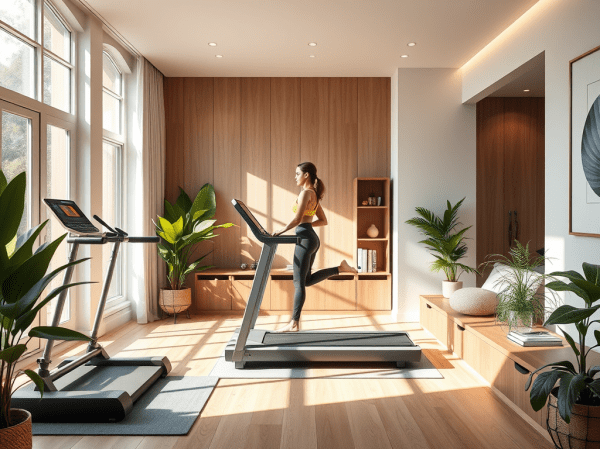
With home-centered lifestyles on the rise, integrating wellness into living spaces is crucial. Design ideas focusing on fitness, such as multifunctional areas and space-saving equipment, can enhance homes. Minor layout changes can promote daily movement. Whether moving or improving, intentional design boosts wellness and adds value to any home.
Healthy Home, Healthy You: How Renovations Can Boost Wellbeing
In today's dynamic environment, homes serve multiple purposes beyond mere shelter. Thoughtful renovations significantly enhance both aesthetics and well-being, addressing issues such as air quality and layout. Prioritizing health-focused design can promote better sleep, mood, and physical activity. Ultimately, renovating for well-being is an essential investment in one's quality of life.
Should You Move for a Healthier Lifestyle?
In a wellness-focused world, homeowners should assess if their environment supports a healthy lifestyle. Consider moving for better access to nature, healthcare, and recreational facilities. Real-life examples highlight families improving their quality of life through relocation. Evaluating whether to improve your current home or move is crucial for long-term wellness.
Fitness-Friendly Home Designs: Get Moving Without Leaving the House
As homes become focal points for wellness, thoughtful design can enhance fitness without sacrificing comfort. Incorporating space-saving solutions, multi-functional areas, and subtle layout changes promotes daily movement. Simple DIY projects offer affordable enhancements. Ultimately, intentional design fosters a healthier lifestyle, whether through moving or improving existing spaces for sustainability and well-being.
How Decluttering Reduces Stress and Boosts Productivity
Clutter significantly impacts mental well-being, increasing stress, reducing focus, disrupting sleep, and hindering creativity. Decluttering can enhance mental clarity and productivity. Simple steps include starting small, applying the one-year rule, and practicing digital decluttering. Creating an organized space fosters a peaceful environment, ultimately improving mood and mental health.
Clear Your Space, Clear Your Mind: How Decluttering Improves Mental Clarity
Clutter significantly impacts mental well-being by increasing stress, reducing focus, disrupting sleep, and stifling creativity. Decluttering can enhance mental clarity and productivity. Simple strategies include starting small, using the one-year rule, and digital decluttering. An organized space fosters peace, better sleep, and improved mood, contributing to overall mental health.
Maximizing Energy and Focus with Natural Light
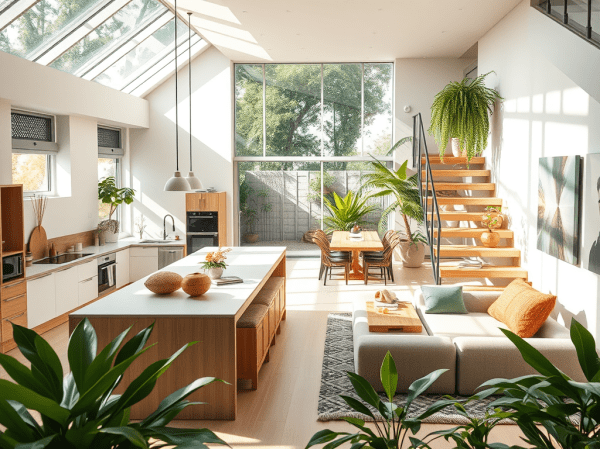
Natural light significantly boosts energy levels and focus at home by regulating circadian rhythms, enhancing mood through increased serotonin, and aiding vitamin D synthesis, which helps reduce fatigue. To maximize its benefits, optimize window treatments, arrange furniture near light sources, use light-enhancing colors, install skylights, and trim outdoor obstructions.
Create an Effective Home Workspace for Better Work-Life Balance
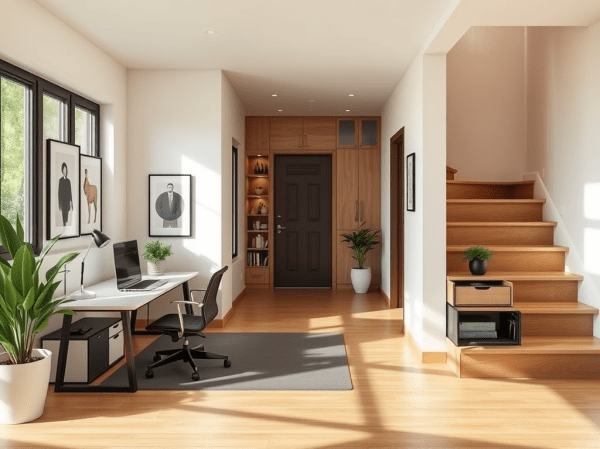
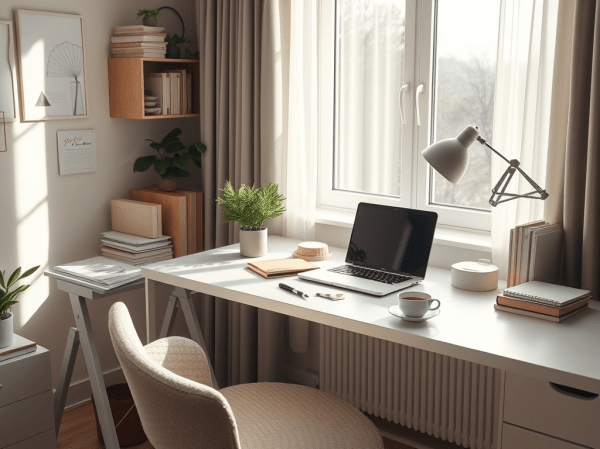
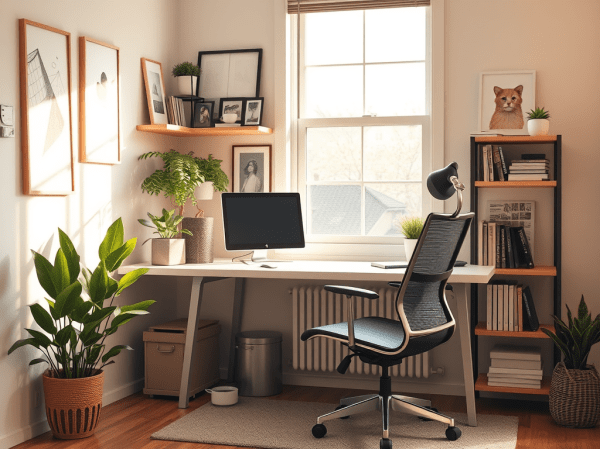
Creating a dedicated home workspace is essential for work-life balance. Key steps include selecting a quiet, well-lit location, furnishing it with ergonomic furniture, personalizing the environment, setting clear work hours, and using visual cues to distinguish between work and leisure. This promotes productivity and well-being.