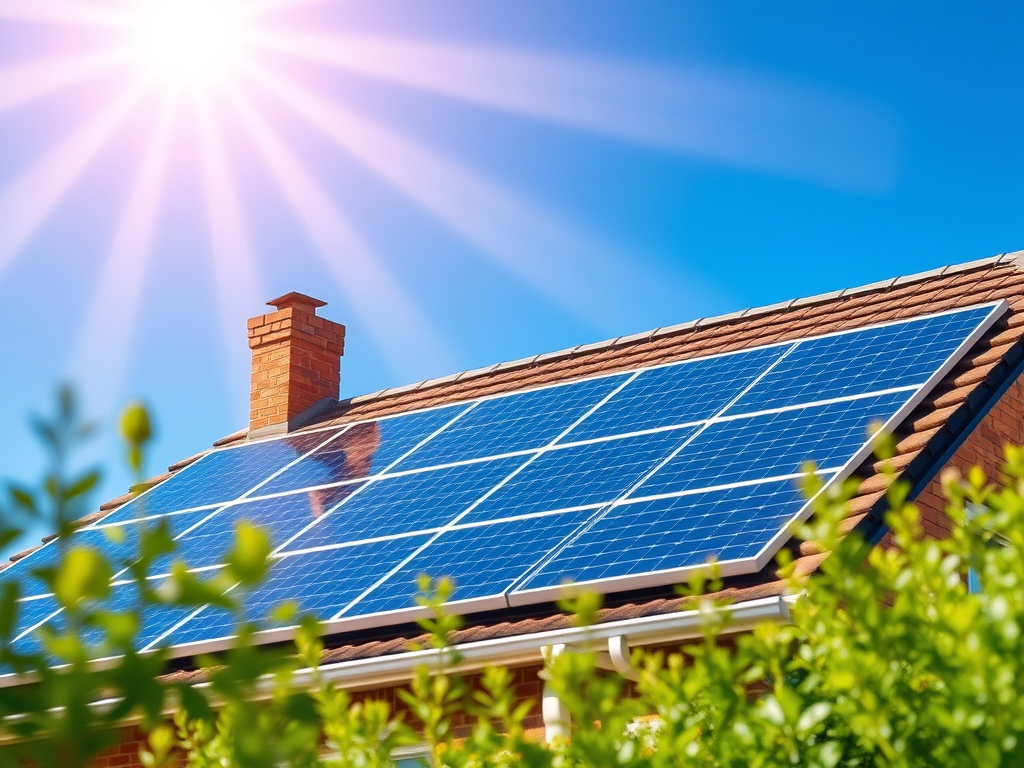
As the world shifts towards more sustainable energy sources, solar power is becoming an increasingly popular option for homeowners in the UK. Despite the UK’s often cloudy weather, modern solar technology is efficient enough to harness the sun’s energy even on overcast days. In this blog post, we’ll cover everything you need to know about installing solar panels on your home, from the equipment required to the costs, benefits, and where to get started.
What Do You Need for a Solar Power System?
To power your home with solar energy, you’ll need the following components:
1. Solar Panels: These are the most visible part of your system, typically mounted on your roof. They capture sunlight and convert it into electricity. The efficiency of your panels depends on their type, placement, and the amount of sunlight your location receives.
2. Inverter: Solar panels produce Direct Current (DC) electricity, but your home runs on Alternating Current (AC). An inverter converts the DC electricity generated by the panels into AC so it can be used in your home.
3. Battery Storage (Optional but Recommended): A battery allows you to store excess energy generated during the day for use at night or during cloudy periods. This can significantly reduce your reliance on the grid and maximise your solar investment.
4. Monitoring System: Many modern solar systems come with a monitoring system that allows you to track energy production and usage in real-time, helping you optimise your energy consumption.
5. Mounting System: This is the hardware used to attach your solar panels to your roof or another structure. The type of mounting system you need depends on your roof type and pitch.
How Solar Panels Power Your Home
When sunlight hits your solar panels, they generate DC electricity, which is then sent to the inverter. The inverter converts this DC electricity into AC, which powers your home’s appliances and lighting. If your system generates more electricity than you use, the excess can be stored in your battery or exported back to the grid, potentially earning you money through the Smart Export Guarantee (SEG).
What Can Solar Panels Power?
In theory, solar panels can power your entire home, depending on the size of your system and your energy consumption habits. Here’s what they can typically power:
– Lighting: Solar panels can easily handle the energy needs of your lighting system.
– Appliances: Energy-efficient appliances, such as refrigerators, washing machines, and dishwashers, can run on solar power.
– Heating and Cooling: With enough panels, solar energy can also support heating and cooling systems, especially if paired with a heat pump.
– Electronics: TVs, computers, and other electronics can be powered by solar energy.
Cost of Supplying and Installing Solar Panels
The cost of solar panels in the UK can vary based on several factors, including the size of the system, the quality of the panels, and the complexity of the installation. Here’s a rough breakdown:
– Solar Panels: The average cost of solar panels ranges from £4,000 to £8,000 for a typical 3-4kW system, which is suitable for a medium-sized home.
– Inverter: Inverters typically cost between £500 and £1,000, depending on the type and capacity.
– Battery Storage: Batteries can significantly add to the cost, ranging from £2,000 to £6,000 depending on the capacity.
– Installation: Installation costs vary but typically add another £1,000 to £2,000 to your bill.
Total Estimated Cost: For a standard home, the total cost of a fully installed solar panel system with battery storage could range from £8,000 to £16,000.
Payback Period: The payback period for solar panels in the UK is usually between 8 and 15 years, depending on your energy consumption, the cost of your system, and any incentives or savings you receive. After this period, the electricity generated is essentially free, leading to significant long-term savings.
Where to Purchase Solar Panels and Who Installs Them?
Several reputable companies supply and install solar panels in the UK. Here are a few options:
1. IKEA & Solar-century: Offers solar panel packages with financing options.
2. Solar Plants: Specialises in solar panel installation and maintenance.
3. EvoEnergy: Provides custom solar solutions with monitoring systems.
4. Tesla: Known for their Power-wall battery, Tesla also offers solar solutions in the UK.
It’s important to choose a certified installer to ensure your system is safely and correctly installed. You can find certified installers through the Micro-generation Certification Scheme (MCS), which maintains a list of accredited professionals.
Impact on Mains Electricity
Installing solar panels will reduce your reliance on mains electricity, as you’ll be generating your own power. This can lead to lower electricity bills and a smaller carbon footprint. If your system is connected to the grid and you have a battery, you can store excess energy for later use, further reducing your dependency on the grid. Additionally, under the Smart Export Guarantee (SEG), you can earn money by selling excess energy back to the grid.
Final Thoughts
Installing solar panels is a significant investment that offers long-term benefits, including lower energy bills, reduced carbon emissions, and greater energy independence. While the initial costs can be high, the payback period is reasonable, especially with the current incentives and the rising cost of electricity.
If you’re considering solar panels for your home, be sure to do thorough research, get multiple quotes, and choose a certified installer to ensure you get the best value for your investment.
For more information on solar panels, visit [The Energy Saving Trust](https://energysavingtrust.org.uk/advice/solar-panels/) or [GOV.UK’s solar panel guide](https://www.gov.uk/guidance/solar-panels).
This post aims to provide a comprehensive overview, but individual circumstances vary, so it’s advisable to consult with a solar energy expert to tailor the best solution for your home.
Discover more from Move or Improve
Subscribe to get the latest posts sent to your email.


Leave a Reply