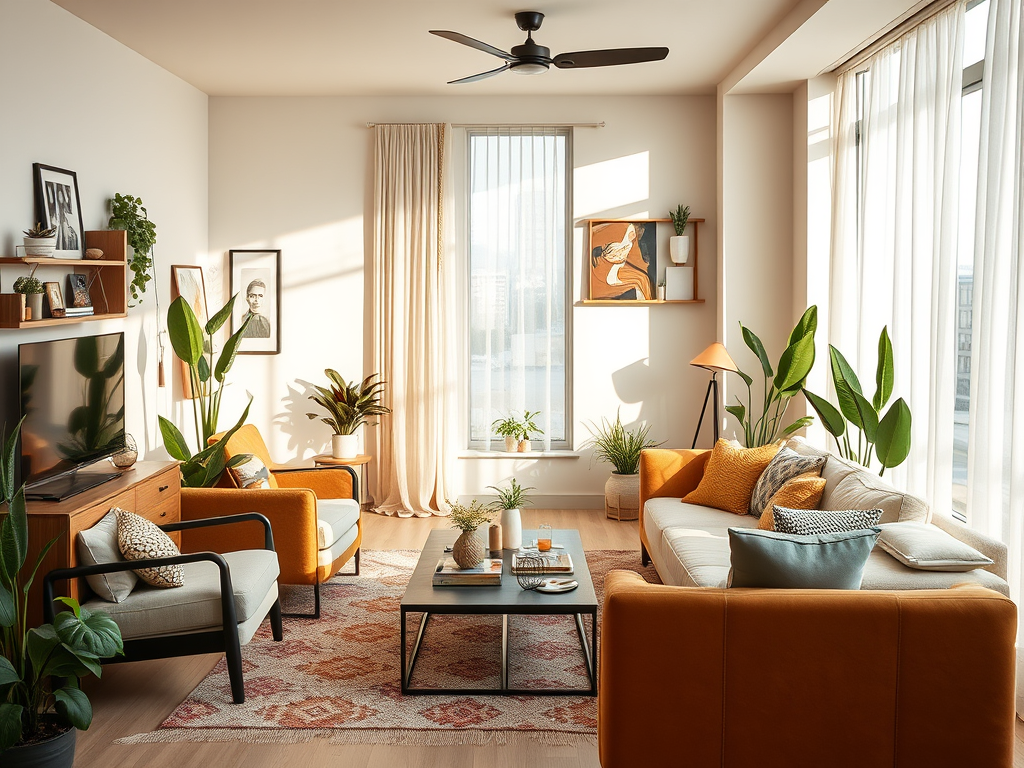
Moving into a new house is an exciting adventure, but turning it into a place that feels genuinely yours can take a bit of time and planning. Creating that comforting, personalised feel doesn’t require a complete remodel, just a few thoughtful design choices can make all the difference. Here are some tips to help you transform your new property into a warm and inviting home in no time.
1. Start with Your Colour Palette
Colour is one of the most powerful tools for personalising a space. Painting the walls with hues you love can instantly make a room feel more like your own. Neutral colours like soft greys, whites, or warm beiges create a relaxing backdrop and are easy to pair with colourful accessories. Alternatively, if you’re a fan of bold colours, consider painting an accent wall to add character without overwhelming the space.
For a cohesive look, choose a colour palette that can flow from room to room. This not only ties the spaces together but also gives a sense of continuity that can make your home feel more “settled.”
2. Add Layers with Soft Furnishings
Soft furnishings like rugs, cushions, and throws are essential for adding warmth and comfort. Look for textures that appeal to you, velvet, wool, or linen add a luxurious touch, while cotton and knit materials offer a cosy, laid-back vibe. Large, plush rugs are perfect for living rooms and bedrooms, and they can help with insulation too, which is especially nice for colder UK homes.
Don’t be afraid to mix patterns and colours in your cushions and throws. This layering effect not only makes rooms feel more inviting but also gives you a chance to show off your style.
3. Personalise with Artwork and Photos
Art and family photos can transform bare walls and make your home feel uniquely yours. Select pieces that mean something to you, whether it’s artwork from local artists, personal travel photos, or vintage finds that resonate with your tastes. Create a gallery wall for a standout feature or hang a few larger pieces for a simpler, sophisticated look.
Personal photographs in frames, especially in hallways or living areas, add a personal touch. A display of family photos or favourite memories is a great way to make your new house feel like home.
4. Incorporate Good Lighting
Lighting is one of the most underrated aspects of home design, but it makes a massive difference in how a space feels. Replace harsh overhead lights with softer, warm bulbs and add a mix of lamps, wall lights, and pendant fixtures to create different lighting levels.
Table and floor lamps in the living room and bedrooms create a cosy, layered effect, while adding dimmer switches to main lights can let you adjust brightness to suit different moods. In the UK, where natural light can be limited, especially in winter, a well-thought-out lighting scheme is key to a warm, welcoming home.
5. Embrace Greenery with House Plants
House plants bring life and vibrancy into a home, and they’re an easy way to personalise any room. Larger plants, like fiddle-leaf figs or rubber plants, make great statement pieces, while smaller plants such as succulents or peace lilies can fill shelves and tables with pops of green.
Plants not only improve air quality but also help create a calming environment. If you’re new to indoor gardening, start with easy-care options like snake plants, spider plants, or pothos, which thrive with minimal effort.
6. Focus on Window Dressings
Curtains, blinds, and other window treatments are essential for adding both style and privacy. They help regulate light, control temperature, and make rooms feel more “finished.” For a cosy feel, consider long, flowing curtains in soft fabrics like linen or velvet. Roman blinds in textured or patterned fabrics add a touch of sophistication and are great for smaller rooms.
If you want a bright, airy look, sheer curtains allow natural light to filter in while keeping the room private. Remember that your choice of curtain rods and tiebacks also plays a role in the overall look, so choose hardware that complements your style.
7. Create “Zones” for Function and Flow
An empty house can feel overwhelming at first, so creating functional zones can help make each area feel purposeful. For example, in an open-plan living area, arrange furniture to define separate areas for dining, relaxing, or reading. Use rugs to anchor each zone and guide the flow of the space.
In the kitchen, designate specific areas for food preparation, cooking, and entertaining. These distinct areas add a sense of structure and make the home more practical for daily living.
8. Infuse Your Style with Unique Furniture Pieces
Furniture can be one of the biggest factors in making your house feel like home. Rather than purchasing everything brand new, consider mixing in some unique or second-hand pieces to add character. Vintage furniture, for instance, can give your home a unique look and feel and is often built to last.
A signature piece, like a standout sofa, a beautifully crafted coffee table, or an antique cabinet, can act as a focal point in any room, making it feel personal and lived-in.
9. Add Warmth with Scents
Scent is a powerful way to make your new house feel like home. Candles, diffusers, and essential oils are all great options for filling rooms with scents that appeal to you. Choose fresh scents like lavender or eucalyptus in the bathroom, warm and woody tones like sandalwood or cedar for living areas, and relaxing scents like chamomile or vanilla in the bedroom.
Switching up your home fragrance with the seasons is also a lovely way to create a welcoming atmosphere that reflects the time of year.
10. Don’t Forget the Small Personal Touches
It’s often the little things that truly make a home feel like yours. Bring out items that have sentimental value, whether it’s books, travel souvenirs, family heirlooms, or handmade crafts. Small décor pieces on shelves, coffee tables, or by your bedside add a familiar and comforting feel.
A bowl of fresh fruit in the kitchen, a stack of your favourite books on the coffee table, or your favourite coffee mugs displayed on a shelf can all create a sense of “home” in subtle yet meaningful ways.
Final Thoughts
Creating a homey atmosphere in a new house is about layering details that reflect your personal style and comfort needs. By incorporating colours, textures, and elements that resonate with you, you’ll create a space that doesn’t just look good but feels truly like home. So, take your time and let each room evolve, soon enough, your new house will be the warm, welcoming retreat you envisioned.
Discover more from Move or Improve
Subscribe to get the latest posts sent to your email.
 Move or Improve
Leave a comment