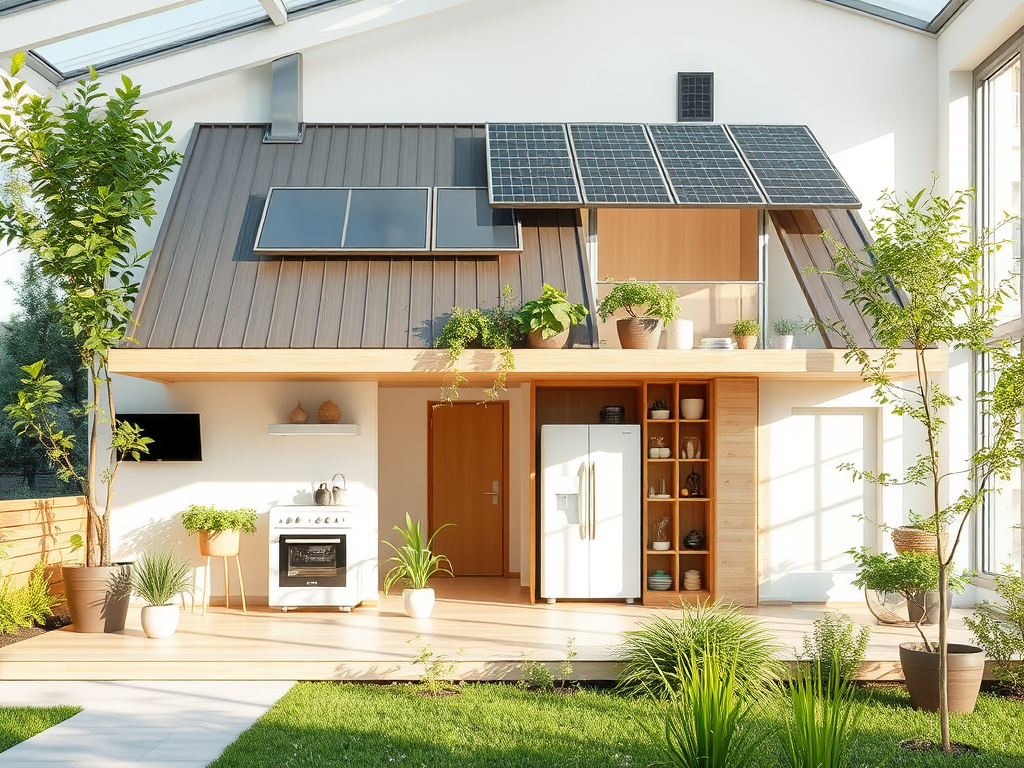
Making your existing house more sustainable involves a combination of energy-efficient upgrades, water conservation techniques, and eco-friendly practices.
Here are several steps you can take to make your home more sustainable:
1. Improve Energy Efficiency
Upgrade Insulation: Ensure your home is well-insulated to reduce heating and cooling costs. Focus on attics, walls, and floors.
Energy-Efficient Windows: Install double or triple-glazed windows to reduce heat loss and gain.
Seal Leaks: Seal gaps around doors, windows, and ducts to prevent air leaks.
2. Install Renewable Energy Sources
Solar Panels: Invest in solar panels to generate your own electricity.
Solar Water Heater: Install a solar water heating system to reduce energy consumption for heating water.
Wind Turbines: If feasible, consider installing small wind turbines to generate additional power.
3. Upgrade to Energy-Efficient Appliances
ENERGY STAR Appliances: Replace old appliances with ENERGY STAR-rated models to reduce energy consumption.
LED Lighting: Switch to LED bulbs, which use less energy and last longer than incandescent or CFL bulbs.
Smart Thermostats: Install a smart thermostat to optimise heating and cooling, reducing energy waste.
4. Water Conservation
Low-Flow Fixtures: Install low-flow shower-heads, faucets, and toilets to reduce water usage.
Rainwater Harvesting: Set up a rainwater harvesting system to collect and reuse rainwater for gardening and other non-potable uses.
Efficient Irrigation: Use drip irrigation systems and water-efficient landscaping to reduce water consumption in your garden.
5. Sustainable Materials and Practices
Use Recycled Materials: Choose recycled or sustainable materials for renovations and repairs, such as reclaimed wood or recycled metal.
Eco-Friendly Paints: Use low-VOC (volatile organic compounds) paints and finishes to improve indoor air quality.
Composting: Set up a composting system for kitchen and garden waste to reduce landfill waste and create nutrient-rich soil.
6. Enhance Indoor Air Quality
Air Purifiers: Use air purifiers to remove pollutants and improve indoor air quality.
Houseplants: Introduce houseplants that can naturally filter the air and improve oxygen levels.
Ventilation: Ensure proper ventilation to reduce indoor pollutants and humidity levels.
7. Reduce, Reuse, Recycle
Reduce Waste: Minimise household waste by buying in bulk, avoiding single-use plastics, and choosing products with minimal packaging.
Reuse Items: Repurpose and reuse items whenever possible to reduce the need for new purchases.
Recycling Programs: Participate in local recycling programs to properly dispose of recyclable materials.
8. Smart Home Technology
Energy Monitoring: Use smart meters and energy monitoring devices to track and manage your energy usage.
Automated Lighting: Install smart lighting systems that can be controlled remotely and programmed to turn off when not in use.
Smart Power Strips: Use smart power strips to reduce phantom energy use from electronics that remain on standby.
9. Sustainable Landscaping
Native Plants: Use native plants that require less water and maintenance.
Permeable Surfaces: Install permeable paving materials to reduce runoff and improve groundwater recharge.
Edible Gardens: Grow your own vegetables, fruits, and herbs to reduce the carbon footprint associated with transporting food.
10. Educate and Involve Your Household
Sustainable Practices: Educate family members on sustainable practices, such as turning off lights, reducing water usage, and proper recycling.
Community Involvement: Participate in local sustainability initiatives and community programs to promote eco-friendly living.
By implementing these steps, you can significantly reduce your environmental impact and make your existing home more sustainable, contributing to a healthier planet and potentially lowering your utility bills.
Discover more from Move or Improve
Subscribe to get the latest posts sent to your email.
 Move or Improve
Leave a comment