Why Home Design Quality Outweighs Size in 2026

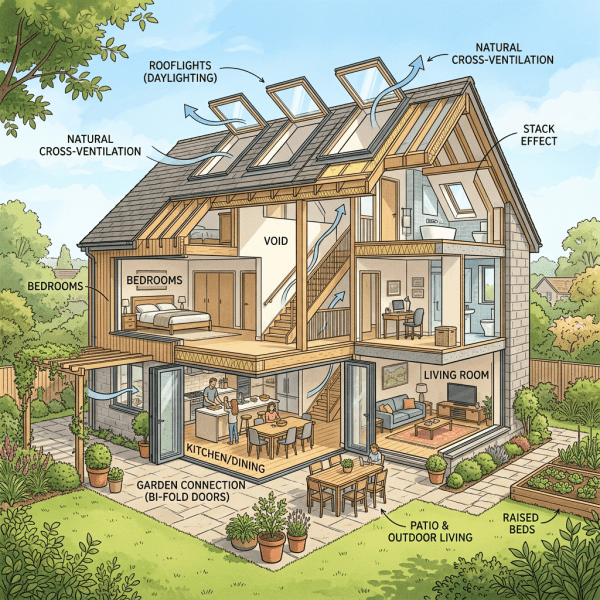
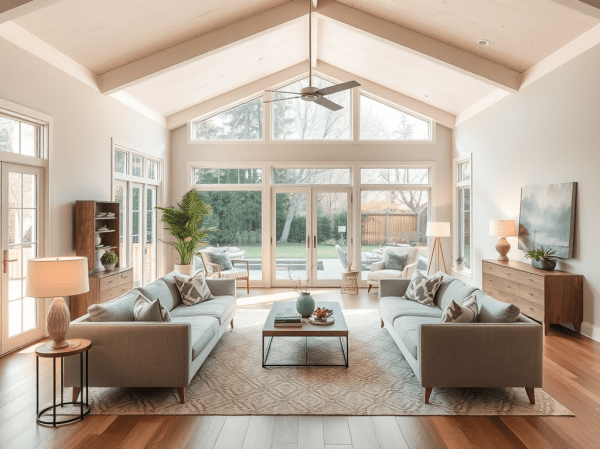
Modern homebuyers prioritize experience over size, valuing design quality, natural light, flexible layouts, and energy efficiency. A well-designed smaller home can outperform a large, poorly designed house. Architects enhance usability through improved circulation, integrated storage, and garden connections, leading to greater emphasis on how a home feels by 2026.

Move vs. Improve: Calculate Your Best Home Investment

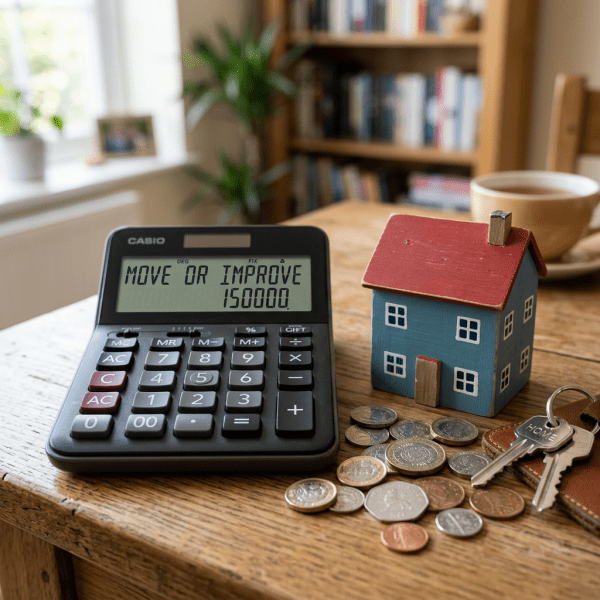
To decide between renovation or relocation financially, calculate total moving costs (including stamp duty and legal fees) and full renovation costs (including construction and professional fees). Compare which option provides a better home, supports long-term living, and creates more value. The least expensive upfront may not be the best investment.

Before You Move House, Read This: 10 Renovation Ideas That Could Save You Thousands

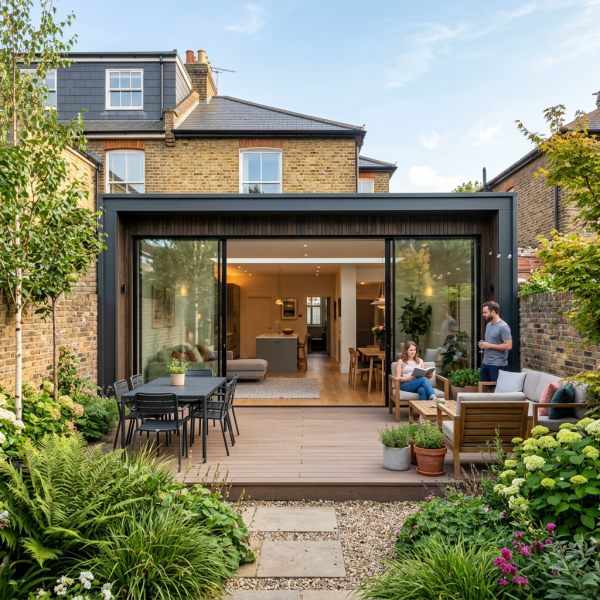
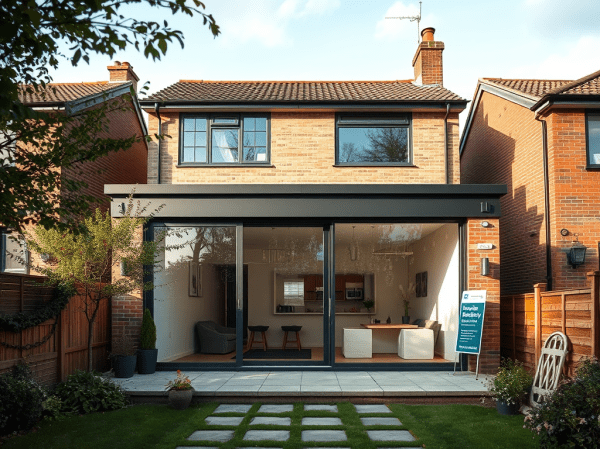
Transforming homes instead of relocating can save costs and enhance living spaces. Ten effective renovation ideas include loft conversions, side-return extensions, open-plan reconfigurations, and garden studios. Improvements like rooflights, built-in storage, and energy retrofits can optimize spaces, enhance comfort, and improve functionality, often maximizing existing square footage.

Why Energy Performance is Key in the UK Housing Market

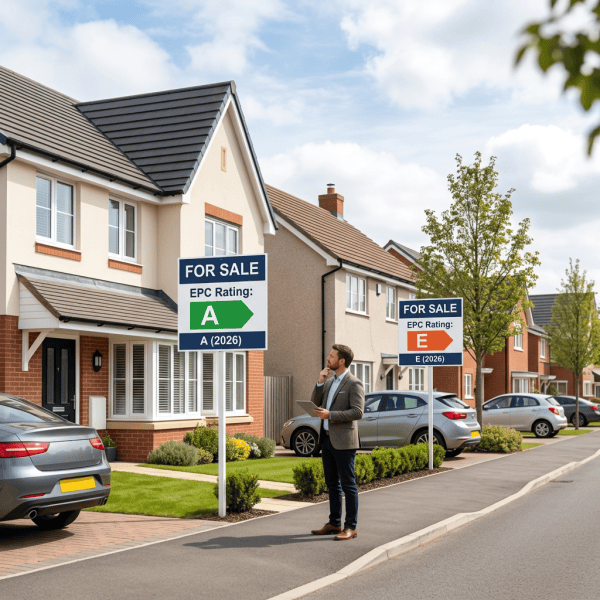
In 2026, energy performance significantly influences the UK housing market. Buyers prioritize homes that are economical, warm, and environmentally responsible. Strong EPC ratings enhance buyer appeal and mortgage options, while inefficient homes face increased scrutiny. Sustainability is becoming essential for property value as buyers seek predictable energy costs.

June 2026 UK Housing Market: Key Trends & Insights

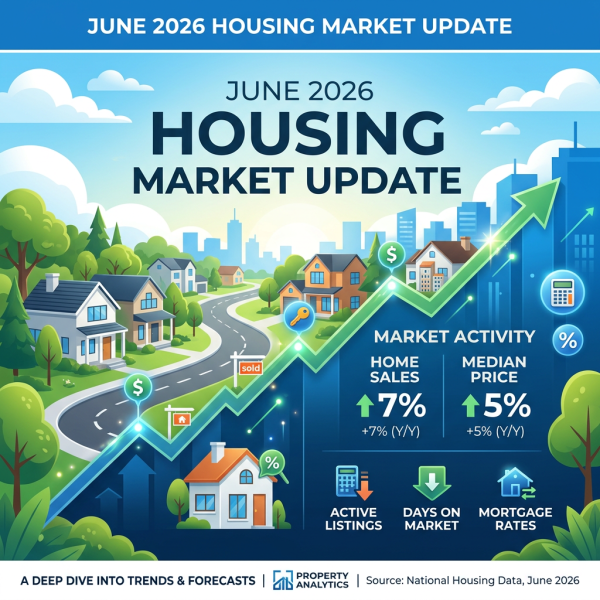
In June 2026, the UK housing market remains stable yet selective, with an increasing preference for energy-efficient and well-designed homes. Buyers are analyzing properties carefully, focusing on long-term value and renovation potential. As affordability challenges persist, innovative renovations are seen as viable alternatives to moving, reshaping demand dynamics significantly.

Can Your House Really Be Transformed? What Architects Look For First

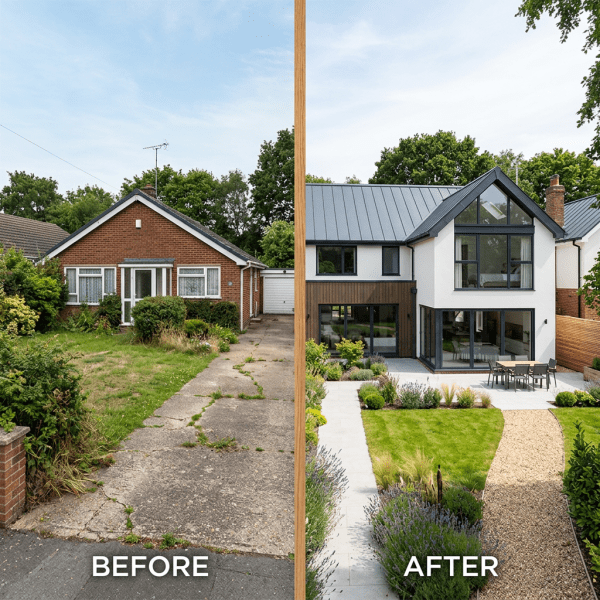
Architects often find that homeowners consider moving due to perceived limitations of their space. However, rather than relocating, they assess whether the home can be improved through design efficiency, structural flexibility, and sustainability upgrades. Many homes contain untapped potential that can enhance functionality and comfort without the need to move.

The New Luxury: Designing Homes for Wellbeing

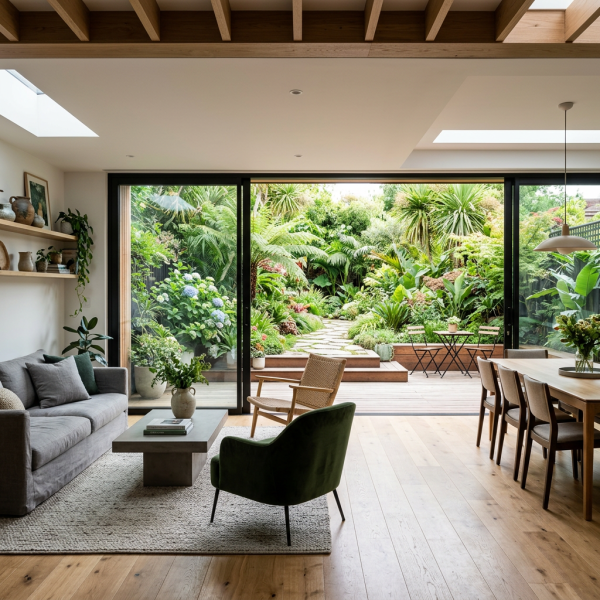
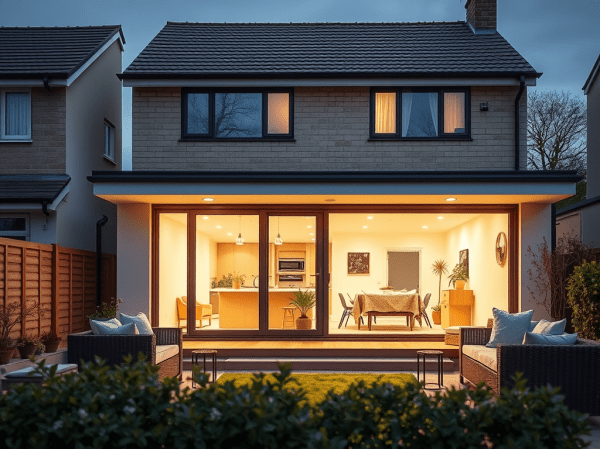
In 2026, luxury residential design is shifting from size to wellbeing, emphasizing calm, natural light, and air quality. Homeowners seek restorative spaces that enhance daily life, driven by hybrid work and mental health awareness. Investments in wellness-focused elements prioritize comfort and emotional health over mere square footage.

Why More Homeowners Are Renovating Instead of Moving in 2026

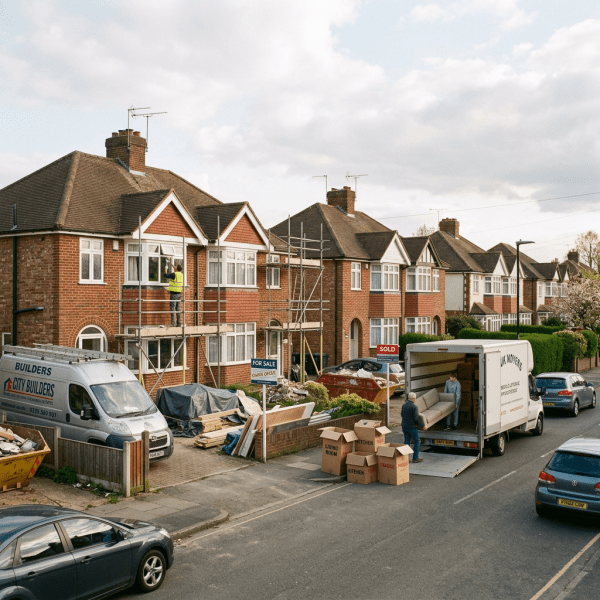
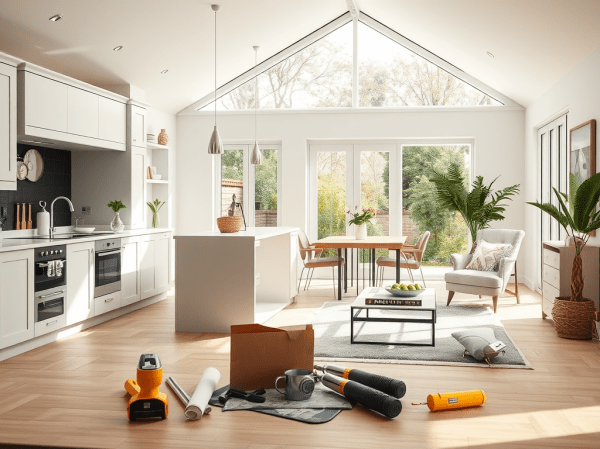
In 2026, many UK homeowners are opting to renovate their existing homes instead of moving, driven by rising transaction costs, changing lifestyles, and a desire for energy efficiency. This trend reflects a shift towards creating long-term, adaptable living spaces that prioritize wellness and better home functionality over mere size.

May 2026 Housing Market Update: Renovate, Relocate, or Wait?

In May 2026, the UK housing market shows selective confidence despite affordability pressures and rising transaction costs. Buyers prioritize energy-efficient, adaptable homes, while many homeowners delay moving due to high costs. Renovation is increasingly viewed as a practical alternative to relocating, as energy efficiency and improvement potential significantly influence market decisions.

Best Home Improvements to Add Value in the UK (2026 Update)

Not all home improvements increase value; some can negatively impact it. Successful enhancements include loft conversions, well-designed rear extensions, and energy efficiency upgrades. Conversely, overly personalized interiors and luxury finishes without layout change tend to underperform. Buyers prioritize space, light, and efficiency over trends. For valuable investment advice, email enquiries@moveorimprove.uk.

How to Create a “House With No Bills”: The UK Guide to Slashing Energy Costs

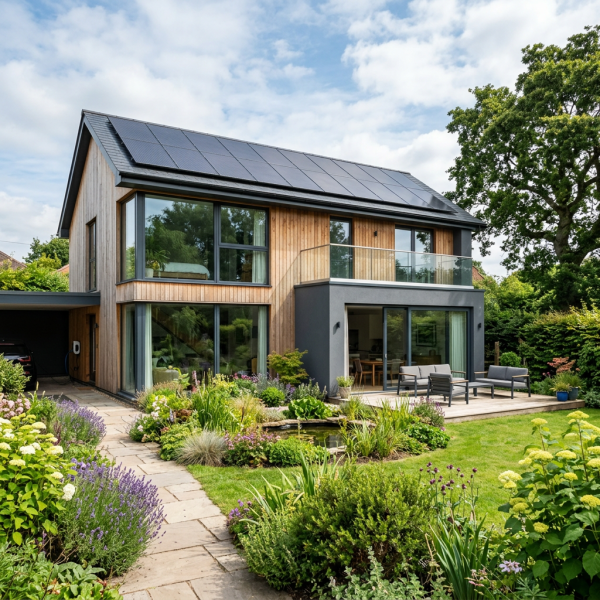
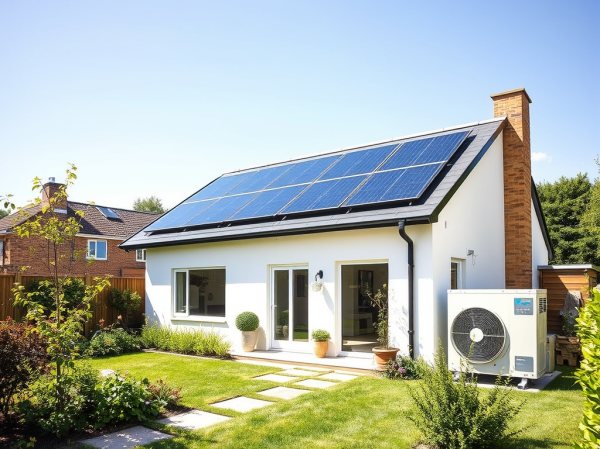
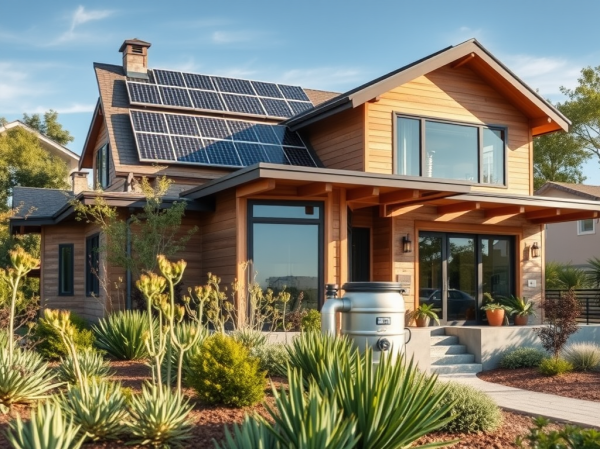
The concept of a "house with no bills" is gaining traction in the UK as homeowners seek sustainable living amidst fluctuating energy prices. Key upgrades include solar panels, heat pumps, super-insulation, and battery storage. Estimated retrofit costs range from £20,000 to £60,000, promising significant long-term savings and higher property values.

How to Fix a Bad House Layout Without Moving

Ineffective home layouts often lead to discomfort, characterized by long hallways, wasted spaces, and congestion. Architects can resolve these issues by re-routing circulation and enhancing room proportions and sightlines. The result is a more spacious, calm, and functional home without the need for extensions. For assistance, contact enquiries@moveorimprove.uk.

Do I Need Planning Permission for an Extension?

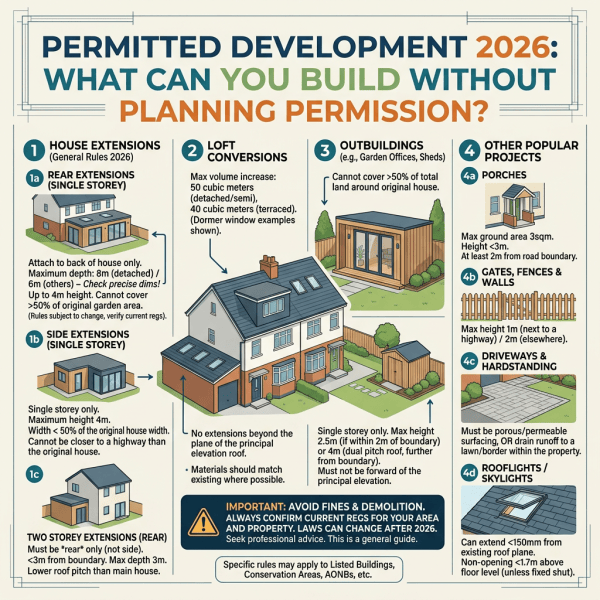
Homeowners often hesitate to improve their properties due to planning uncertainties. Planning permission is needed for large extensions, alterations over limits, and changes to listed buildings or in conservation areas. Early advice on planning rules can prevent redesign costs, delays, and refusal of applications. For clarity, contact enquiries@moveorimprove.uk.

How Much Does It Really Cost to Renovate a House in the UK in 2026?

Homeowners often begin renovations without a clear understanding of costs, leading to issues. Typical UK renovation costs in 2026 range from £500 to over £3,500 per m², influenced by various factors. Important budget considerations include professional fees, VAT, and contingencies. Good design minimizes costly delays and variations. For advice, email enquiries@moveorimprove.uk.

Should I Move House or Renovate? A 2026 Guide

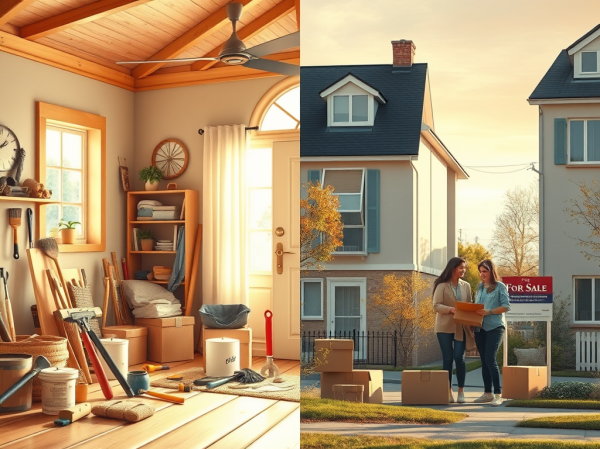
Deciding whether to move or renovate is crucial for UK homeowners, especially in 2026, given rising costs and housing supply issues. Renovation is ideal for those who love their location but want layout improvements, while moving suits those facing severe restrictions. The right choice balances cost, control, and lifestyle value.

January 2026 UK Housing Market Update: Prices & What to Expect

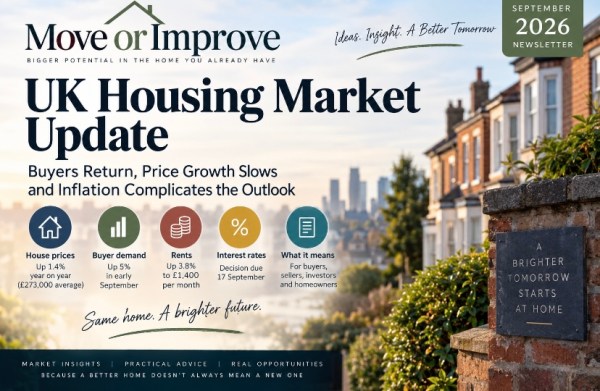
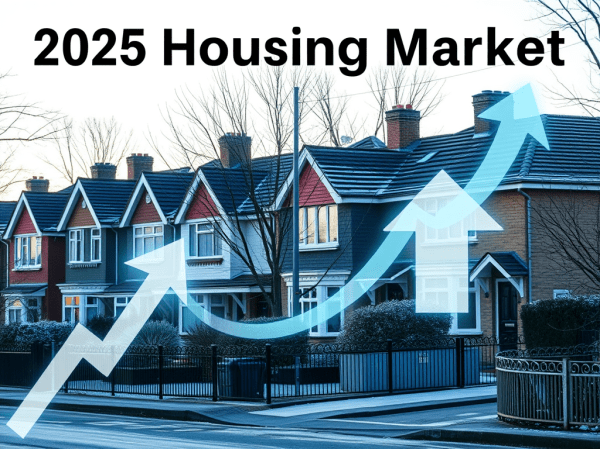
As of January 2026, the UK housing market is stabilizing after years of fluctuations, favoring a more strategic approach for buyers, sellers, and investors. Key trends include price regionalism, affordability as a primary driver, and strong rental demand. Success hinges on understanding local dynamics and realistic pricing.

December 2025 Housing Market Update: Prices & What to Expect

As 2025 concludes, the UK property market shows signs of stabilisation, with house prices steadying and mortgage rates gradually improving. The Autumn Budget encourages investment and construction. Demand for rentals remains strong, particularly in urban areas. The market is set for a modest recovery in early 2026, presenting opportunities for buyers and investors.

How to Choose an Eco-Friendly Home

When searching for a sustainable house, focus on key features: energy efficiency through insulation and efficient appliances; renewable energy sources like solar and wind; water conservation methods; sustainable materials; indoor air quality; effective water management; energy management systems; strategic location; and recognized certifications. These elements ensure minimal environmental impact.

5 Easy Changes for a Happier Home

Your home ought to be a serene retreat but often becomes a source of stress. Simple changes can enhance your living space, such as decluttering, maximizing natural light, introducing soothing scents, creating a dedicated relaxation area, and incorporating nature indoors. These adjustments can significantly improve your happiness and well-being at home.

Natural Ways to Improve Indoor Air Quality

Indoor air quality is crucial for health, affecting respiratory functions and overall well-being. Improving it can be achieved through natural methods like enhancing ventilation, maintaining cleanliness, controlling humidity, incorporating houseplants, using natural cleaning products, avoiding indoor smoking, minimizing scented products, and implementing a no-shoes policy for a healthier home.

10 Ways to Make Your Home More Sustainable

To make your home more sustainable, focus on energy efficiency by upgrading insulation and appliances, installing renewable energy sources like solar panels, and conserving water through low-flow fixtures. Adopt eco-friendly materials, improve indoor air quality, utilize smart home technology, and educate your household on sustainable practices to lower your environmental impact.

Blog at WordPress.com.

Up ↑