
As we move through April 2025, the UK housing market is experiencing notable shifts influenced by recent policy changes, economic adjustments, and evolving buyer behaviours.
This update delves into the current trends, provides insights, and outlines what to expect in the coming months.
Stamp Duty Changes Impact Buyer Activity
The recent increase in stamp duty rates, effective from April 1, 2025, has significantly influenced buyer behaviour. The 2% rise on property portions priced between £125,001 and £250,000 has prompted many buyers to expedite their purchases to avoid higher taxes. This surge in activity has led to increased competition and accelerated sales, particularly among first-time buyers aiming to benefit from the previous thresholds.
First-Time Buyers Facing New Challenges

First-time buyers are now navigating a more challenging landscape with the 0% stamp duty threshold reduced from £425,000 to £300,000. This change, coupled with the impending conclusion of the Mortgage Guarantee Scheme in June 2025, has created a sense of urgency among new entrants to the property market. The scheme’s extension has allowed individuals with lower deposits to access mortgage deals, stimulating demand and potentially impacting property prices.
Mortgage Rates and Market Affordability
Mortgage rates are anticipated to gradually decline throughout 2025, offering some relief to buyers and homeowners. The Bank of England’s base rate is projected to decrease from 4.75% to around 4% by late 2025, leading to fixed mortgage rates hovering between 4.0% to 4.5% for two- and five-year deals. This reduction is expected to enhance affordability, particularly for first-time buyers and those seeking to remortgage.
Regional Variations and London’s Resurgence
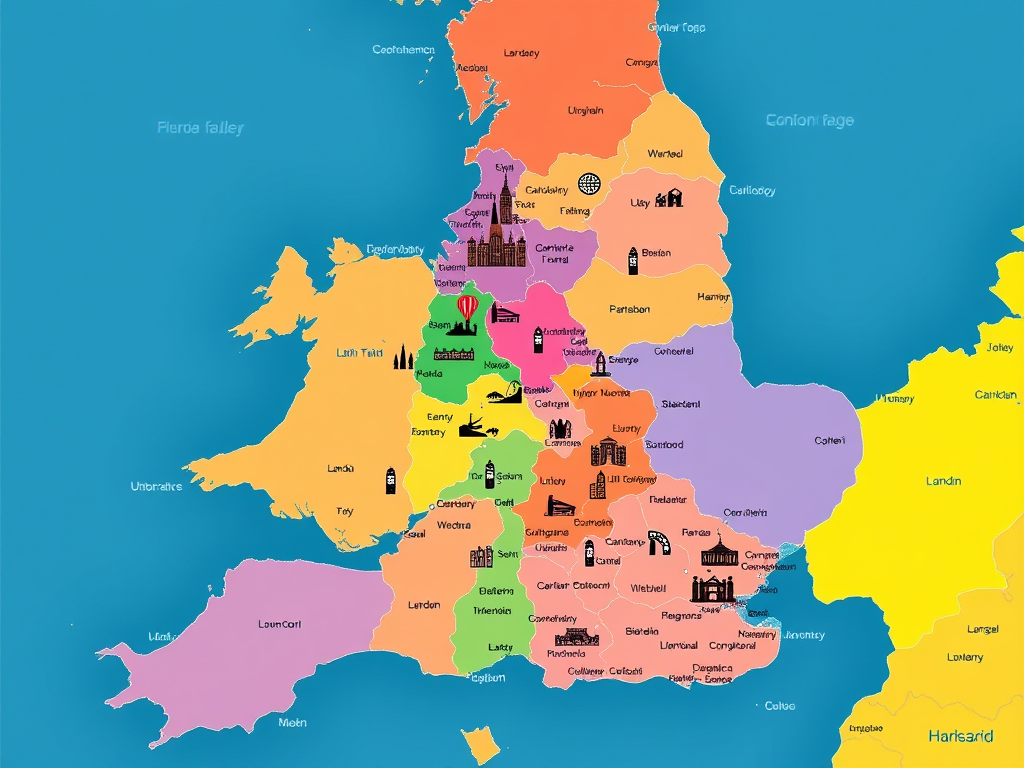
London’s property market is showing signs of revitalisation, driven by increased international interest and the return of office-based work. Price growth in the capital is expected to align with or slightly exceed national averages, with forecasts predicting a 2-4% increase for 2025. However, affordability remains a concern for many buyers in London.
In contrast, regions such as the North West and Yorkshire are projected to lead in price growth, with cumulative increases of 28-29% by 2029. More affordable areas like the North East and Scotland are also experiencing strong demand, particularly among first-time buyers and investors seeking better yields.
Rental Market Dynamics
The rental market continues to face significant pressure due to supply constraints and legislative changes. Rental growth of 3.5% is forecasted in Prime Central and Outer London, reflecting sustained tenant demand and uncertainties surrounding the Renters’ Reform Bill. Mainstream rental values across the UK are expected to rise by 3-4%, driven by limited supply and slowing wage growth affecting tenant affordability.
Looking Ahead

The UK housing market in 2025 is characterised by a blend of opportunities and challenges. Buyers can anticipate improved affordability as mortgage rates decline, but should be prepared for increased competition, especially in the wake of recent stamp duty changes. Sellers may benefit from motivated buyers but need to remain realistic with pricing strategies in a supply-rich market. Investors should monitor London’s resurgence and the evolving rental market dynamics, particularly in light of legislative changes.
Staying informed and agile will be key to successfully navigating the UK property market in the coming months.
Discover more from Move or Improve
Subscribe to get the latest posts sent to your email.
 Move or Improve
Leave a comment