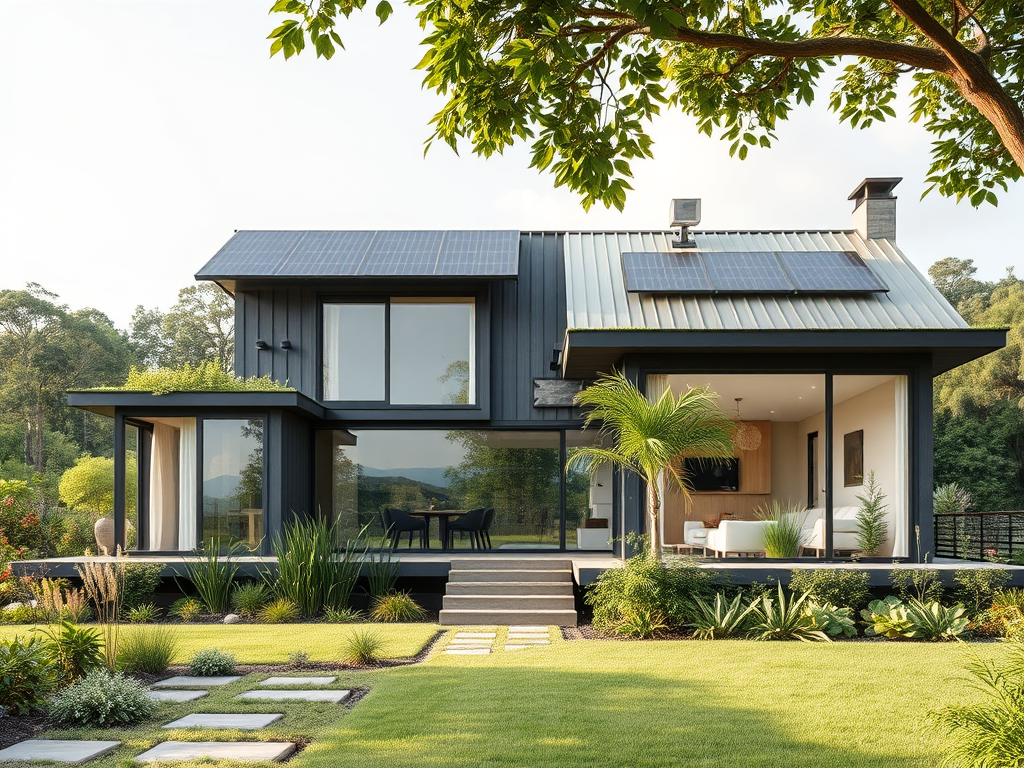
When looking for a sustainable house, several key features and attributes indicate its eco-friendliness and efficiency.
Here are some critical factors to consider:
1. Energy Efficiency
Insulation: High-quality insulation in walls, roofs, and floors to reduce energy loss and maintain consistent indoor temperatures.
Windows: Double or triple-glazed windows to enhance insulation and reduce heat transfer.
Sealing: Proper sealing of doors, windows, and other openings to prevent drafts and energy loss.
2. Renewable Energy Sources
Solar Panels: Solar photovoltaic (PV) systems to generate electricity from sunlight.
Solar Water Heating: Systems to heat water using solar energy.
Wind Turbines: Small wind turbines if the location and zoning regulations permit.
3. Efficient Appliances and Systems
ENERGY STAR Appliances: Energy-efficient appliances such as refrigerators, dishwashers, and washing machines.
HVAC Systems: High-efficiency heating, ventilation, and air conditioning systems.
Smart Thermostats: Programmable thermostats to optimise heating and cooling schedules.
4. Water Conservation
Low-Flow Fixtures: Low-flow shower-heads, faucets, and toilets to reduce water usage.
Rainwater Harvesting: Systems to collect and reuse rainwater for irrigation and non-potable uses.
Grey-water Systems: Recycling systems for grey-water from sinks, showers, and laundry to be used for irrigation.
5. Sustainable Materials
Recycled or Reclaimed Materials: Use of recycled or reclaimed materials for construction and finishes.
Low-VOC Paints and Finishes: Low levels of volatile organic compounds to improve indoor air quality.
Sustainable Wood: Certified sustainable timber and wood products.
6. Indoor Air Quality
Ventilation Systems: Efficient ventilation systems to ensure fresh air circulation and reduce indoor pollutants.
Air Purifiers: Integrated air purifiers to remove allergens, dust, and other contaminants.
Non-Toxic Building Materials: Use of non-toxic building materials and finishes to reduce harmful emissions.
7. Water Management
Permeable Surfaces: Driveways, walkways, and patios made from permeable materials to reduce runoff and promote groundwater recharge.
Efficient Landscaping: Drought-tolerant and native plants that require less water and maintenance.
8. Energy Management Systems
Smart Home Technology: Systems to monitor and manage energy usage, such as smart meters and automated lighting.
Battery Storage: Battery systems to store energy generated from renewable sources for later use.
9. Location and Orientation
Sunlight Exposure: Orientation of the house to maximise natural light and passive solar heating.
Proximity to Amenities: Location near public transportation, schools, and services to reduce the need for driving and lower your carbon footprint.
10. Certification and Standards
Green Building Certifications: Look for certifications such as LEED (Leadership in Energy and Environmental Design), ENERGY STAR, or Passive House standards, which indicate a high level of sustainability and energy efficiency.
Energy Performance Ratings: Check the house’s energy performance ratings to understand its efficiency and potential utility savings.
By prioritising these features, you can find a sustainable house that minimises environmental impact, reduces energy and water consumption, and provides a healthier living environment.
Discover more from Move or Improve
Subscribe to get the latest posts sent to your email.
 Move or Improve
Leave a comment