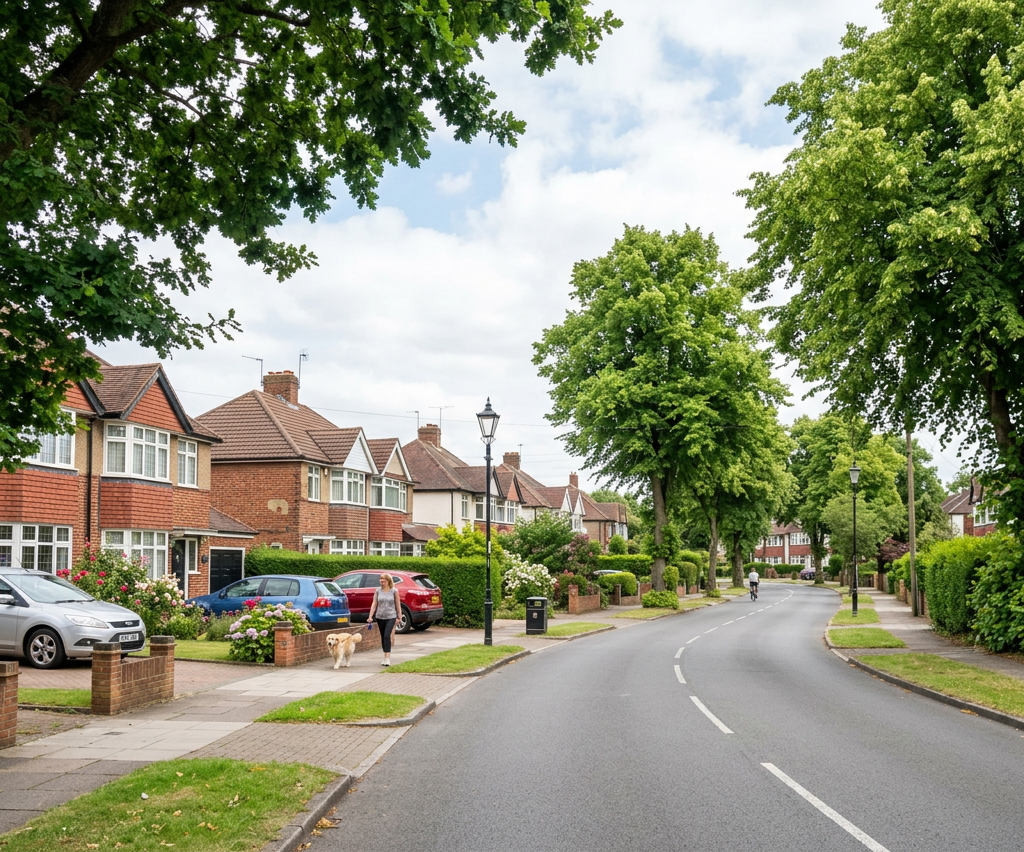
As we move into the second half of 2026, the UK housing market finds itself at an interesting crossroads.
The frantic pace of previous years has been replaced by a much more considered market.
Buyers remain active, sellers are becoming increasingly realistic and homeowners are taking more time before making major financial decisions.
The biggest change isn’t necessarily in house prices, it’s in confidence.
Mortgage affordability, inflation, global uncertainty and energy costs continue to influence decisions, yet demand for good-quality homes remains remarkably resilient.
This is creating a market of opportunities for well-informed buyers, sellers and investors.
For readers of Move or Improve, July reinforces a message that has become increasingly clear throughout 2026:
The best property decision isn’t always to move, it may be to unlock the potential of the home you already own.
Essential Insights for Buyers & Investors
The July market is best described as stable, cautious and increasingly selective.
Well-presented homes in desirable locations continue to attract buyers, while properties requiring significant work are taking longer to sell and often need more competitive pricing.
The market is rewarding quality more than quantity.
Homes offering:
- Good energy efficiency
- Flexible layouts
- Home office space
- Natural light
- Low running costs
- Strong outdoor connections; continue to outperform many larger but outdated properties.
UK Market Snapshot
Recent market data suggests:
- House price growth has slowed, with prices broadly flat in June following a softer spring. Annual growth remains positive but modest. (Reuters)
- Mortgage rates remain higher than earlier in the year, although they have begun to ease from recent peaks in some parts of the market. (Reuters)
- Buyer demand has softened slightly, with agreed sales lower than this time last year, reflecting affordability pressures. (Zoopla)
- Housing supply remains constrained, particularly for quality family homes.
Rather than a boom or downturn, the market is settling into a more balanced phase where realistic pricing and good-quality homes continue to attract interest.
Key Trends Shaping the UK Housing Market
Buyers Are Taking Their Time
Gone are the days when buyers felt pressured to make offers immediately.
Today’s purchasers are:
- Comparing more properties,
- Negotiating harder,
- Checking EPC ratings,
- Reviewing renovation costs,and;
- Carefully assessing long-term affordability.
This slower decision-making is creating a healthier market overall.
Energy Efficiency Continues to Drive Demand
Running costs remain one of the biggest considerations for homeowners.
Properties with:
- Modern insulation,
- Efficient heating,
- Solar panels,
- Double or triple glazing, and;
- Strong EPC ratings; continue to generate stronger buyer interest.
Homes requiring substantial retrofit work are attracting greater scrutiny.
Renovation Remains a Popular Alternative
High moving costs continue to encourage homeowners to improve rather than relocate.
Many families are investing in:
- Loft conversions,
- Rear extensions,
- Layout reconfiguration,
- Garden studios,
- Wellness spaces, and;
- Whole-house energy retrofits.
For many households, improving an existing home offers better long-term value than moving.
Lifestyle Is Becoming More Important Than Floor Area
Architects are increasingly seeing homeowners prioritise:
- Better daylight,
- Healthier interiors,
- Quieter spaces,
- Flexible rooms, and;
- Stronger indoor–outdoor living.
The quality of space is often proving more valuable than simply adding more space.
Market Impacts: What’s Driving Change?
Mortgage Rates
Although mortgage pricing has shown signs of stabilising, affordability remains the biggest influence on buyer confidence. Higher borrowing costs continue to moderate demand compared with previous years. (Reuters)
Global Economic Uncertainty
International events have influenced inflation expectations and borrowing costs during recent months, creating greater caution among both buyers and lenders. (Reuters)
Housing Supply
The long-term shortage of quality housing remains one of the strongest supports for property values.
Despite reduced transaction levels, demand continues to exceed supply in many desirable locations.
Sustainability
Sustainability is no longer viewed as an optional extra.
IncreasBngly it influences:
- Buyer confidence,
- Future running costs,
- Mortgage affordability, and;
- Long-term property value.
What This Means for You
For Buyers
This is a market that rewards preparation.
Take time to assess:
- EPC ratings
- Renovation potential
- Local planning opportunities
- Future maintenance costs
- Transport links
- Neighbourhood quality
Negotiating opportunities are improving, particularly on homes requiring updating.
For Sellers
Presentation has never been more important.
Properties that attract the strongest interest typically offer:
- Excellent presentation,
- Realistic pricing,
- Flexible layouts,
- Strong natural light, and;
- Evidence of good maintenance.
Buyers remain willing to pay for quality—but less willing to overlook shortcomings.
For Movers & Upsizers
Before committing to a move, compare the total cost of relocating—including stamp duty, legal fees, removals and mortgage costs—with the investment needed to improve your current home.
For many homeowners, today’s market continues to favour strategic renovation over relocation.
Investor Insight: Where Smart Money Is Looking
Professional investors remain focused on:
- Refurbishment opportunities,
- Properties with extension potential,
- Energy-efficiency upgrades,
- Regional growth locations, and;
- Long-term rental demand.
Rather than relying purely on market appreciation, investors are increasingly creating value through intelligent improvement.
Key Takeaways
- The market remains stable but cautious.
- Buyers have become more selective and analytical.
- Energy-efficient homes continue to outperform.
- Renovation remains a compelling alternative to moving.
- Quality design is becoming an increasingly important driver of value.
Final Thoughts
July 2026 marks a housing market that is becoming increasingly mature.
The days of making decisions based purely on rising prices appear to be giving way to something far healthier: thoughtful planning, careful budgeting, and long-term thinking.
For homeowners, this presents an opportunity.
Rather than asking, “How much bigger a house can we buy?”, many are beginning to ask a more valuable question:
“How can we make the home we already own work better for us?”
As an architect, I believe that is exactly the right question to be asking.
Sometimes the best move isn’t moving at all—it’s designing a home that continues to evolve with your life.
Next month’s Move or Improve newsletter will explore one of the biggest emerging trends in residential architecture: how artificial intelligence, smart technology and sustainable design are beginning to reshape the homes of the future.
Discover more from Move or Improve
Subscribe to get the latest posts sent to your email.


Leave a Reply